
The Arctic - Polar Latitudes Expeditions
Svalbard: North to the Midnight Sun
Cruise Line: Polar Latitudes Expeditions
Ship: Ocean Albatros
Travel Period: May 18 2027 - Aug 15 2027
Port: Longyearbyen to Longyearbyen
Duration: 8 Days
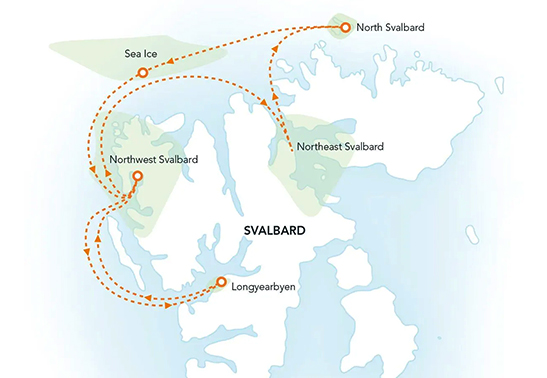
Svalbard: North to the Midnight Sun
Day 1
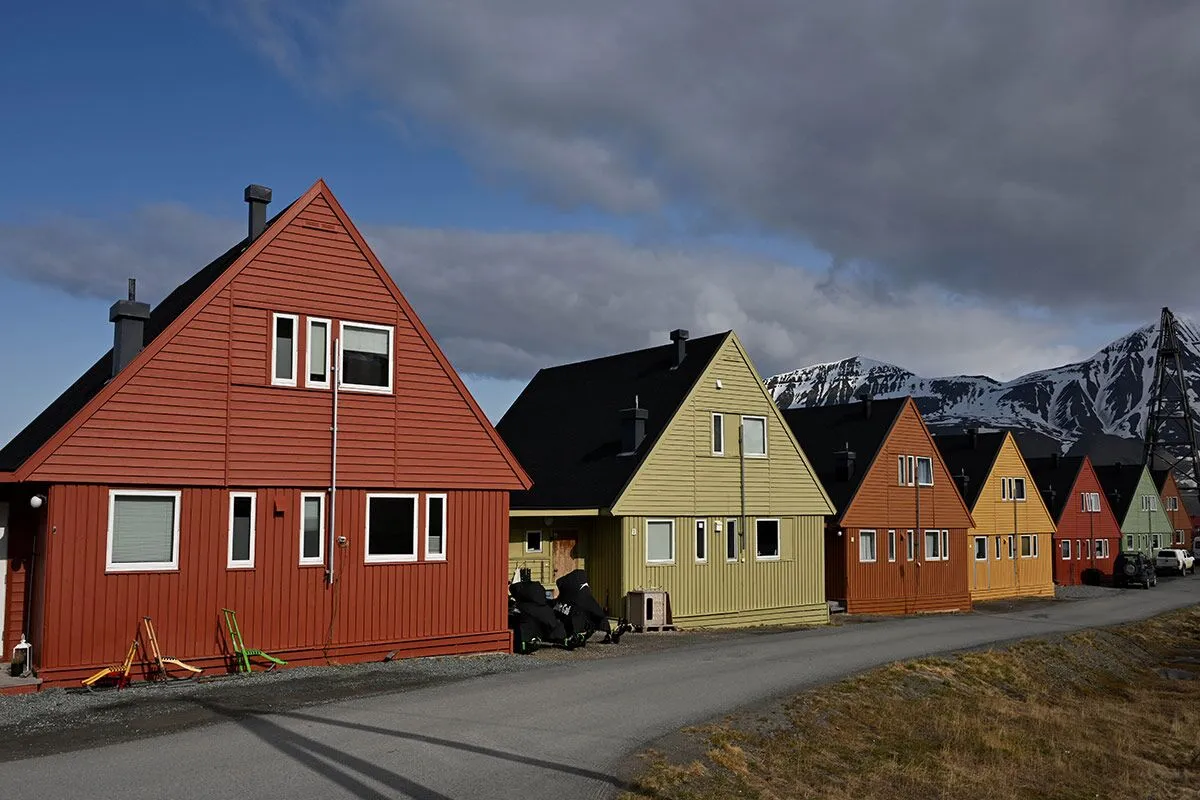 All Aboard in Longyearbyen!
Begin your journey in Norway and arrive in Longyearbyen, Svalbardâthe northernmost town on Earth. Despite its remote Arctic location, Longyearbyen offers warm Nordic hospitality. Upon arrival, youâre greeted by crisp polar air, dramatic mountain views, and a polar bear warning sign reminding visitors of their wild new location. Your expedition ship Ocean Albatros awaits you in the harbor; toast your departure from civilization as you sail into the Arctic wilderness, on course for adventure!
Day 2-3
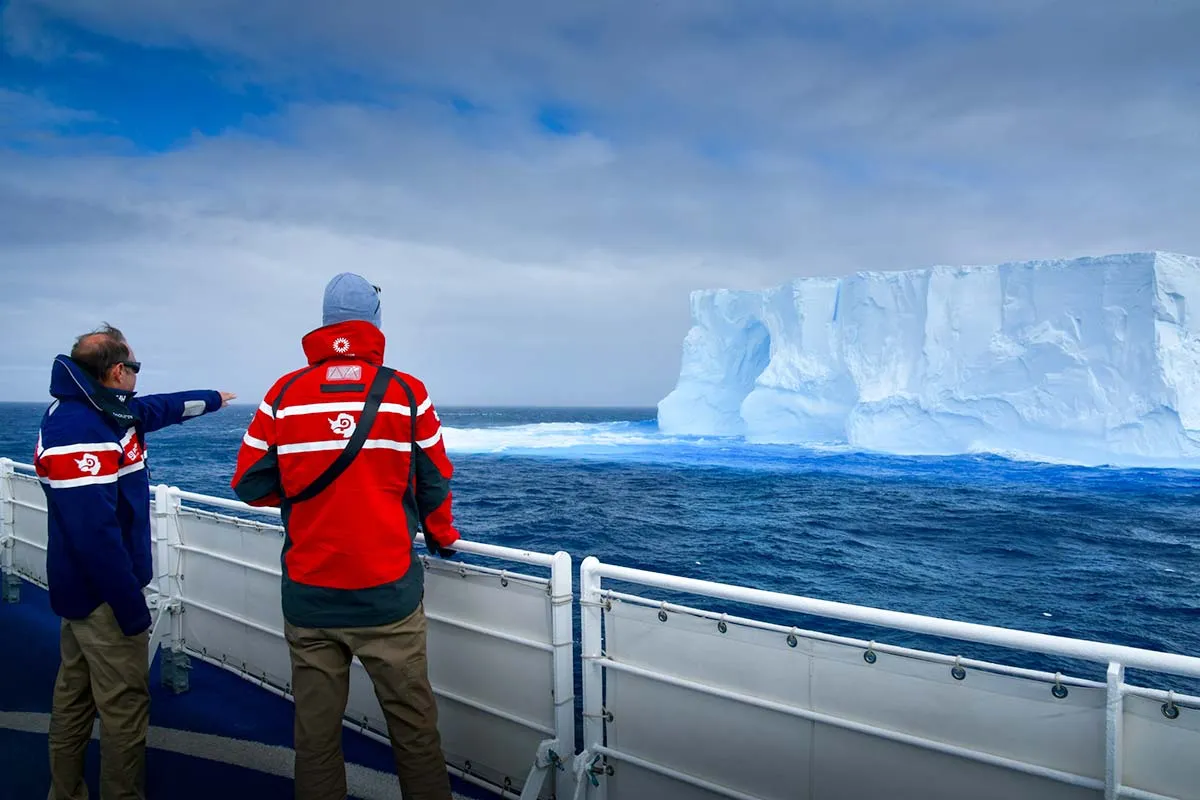 Northwest Svalbard
Northwest Svalbard, a National Park since 1973, preserves a rich history of early Arctic exploration and whaling. First visited by William Barents in 1596, the area became a hub for Dutch and English whalers. Their haunting remnants, such as the blubber ovens and graves of young sailors at sites such as Smeerenburg, remain visible. Now heavily protected, the region has been reclaimed by nature, rich in Arctic flowers, seabirds, walrus, and polar bears, making it once again a pristine wilderness and haven for wildlife.
Day 4
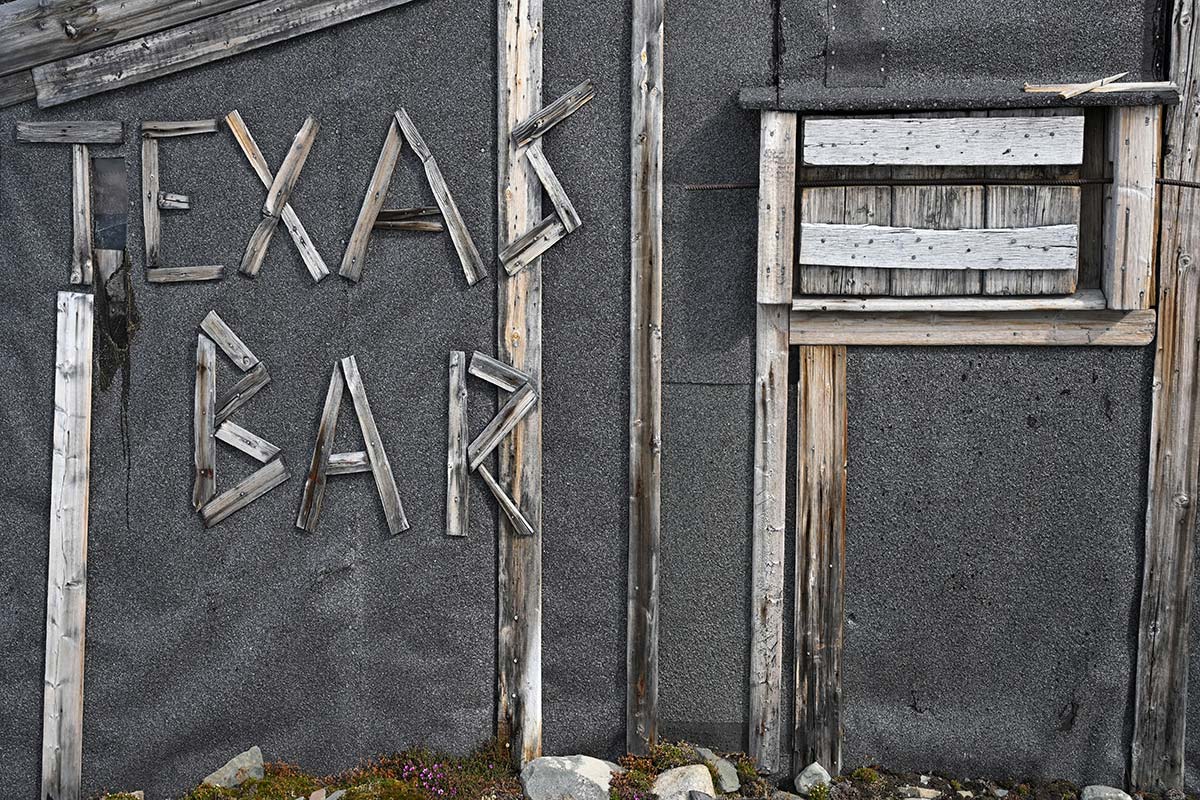 Northeast Svalbard
In the morning, the expedition enters the icy wilderness of northeastern Svalbard, a stark polar desert shaped by the absence of warming ocean currents. Here, vast glaciers descend into ice-choked waters, surrounding rugged landscapes which appear barren, yet teem with life. Arctic foxes prowl the chilly shores, while hundreds of thousands of seabirds nest on cliffs above. These cold coastal waters are rich in shellfish, attracting the walrus, which are common in the area. Our exploration plans depend on rapidly changing sea, wind, and ice conditions, embodying the dynamic and unpredictable essence of true polar adventure.
Day 5
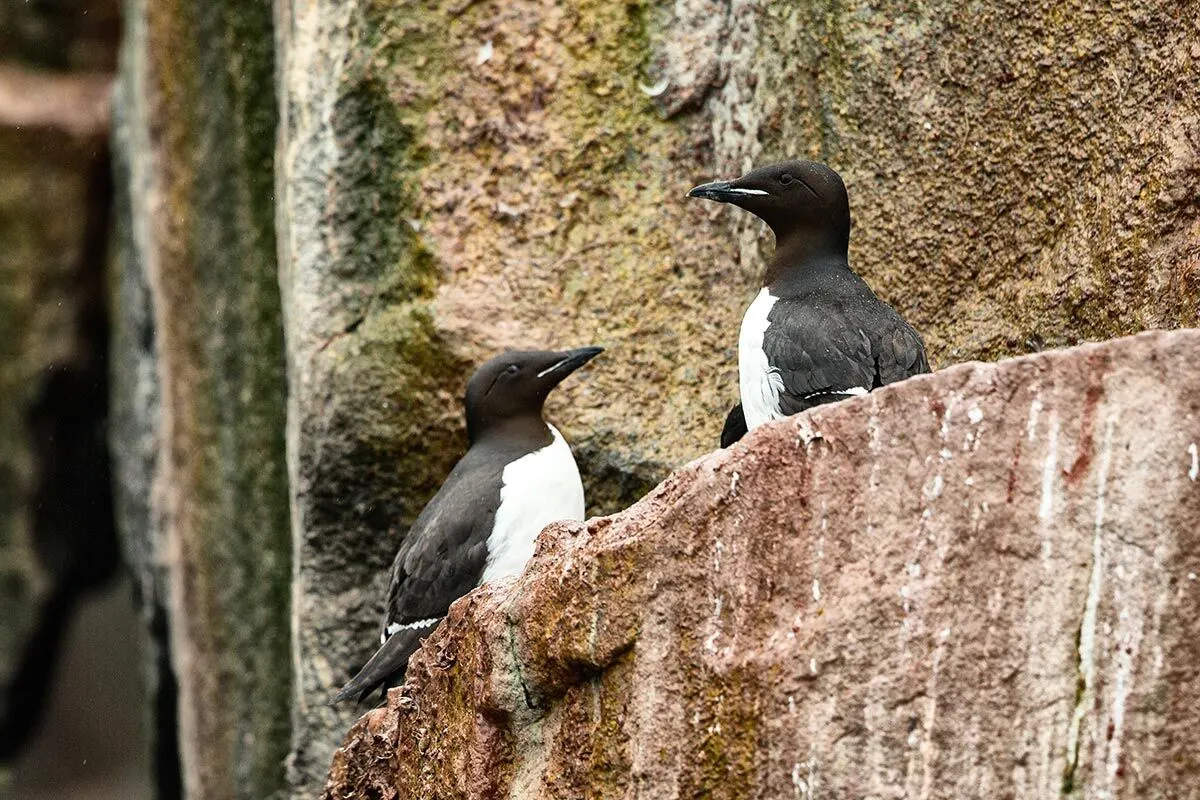 North Svalbard
Next, we strive for some of the northernmost pieces of land on Earth â stark landscapes almost permanently beset by ice. With luck, we may reach the polar desert island of Nordaustlandet, or the smaller islands of Sjuøyane in the far north of Svalbard. The almost vegetation-free, rocky islands are located around 1000 km further north than mainland Norwayâs famous Nordkapp. Weather permitting, we will land and walk upon these most northern landmasses. These high Arctic islands are quite barren, and only moss, hardy tundra plants and lichens cover the stones. The birdlife is rich in this area, with scampering shore birds and nesting terns and skuas â keep your binoculars handy! At the end of the day, we will start cruising towards the Arctic ice pack which stretches from Svalbard to the North Pole and beyond.
Day 6
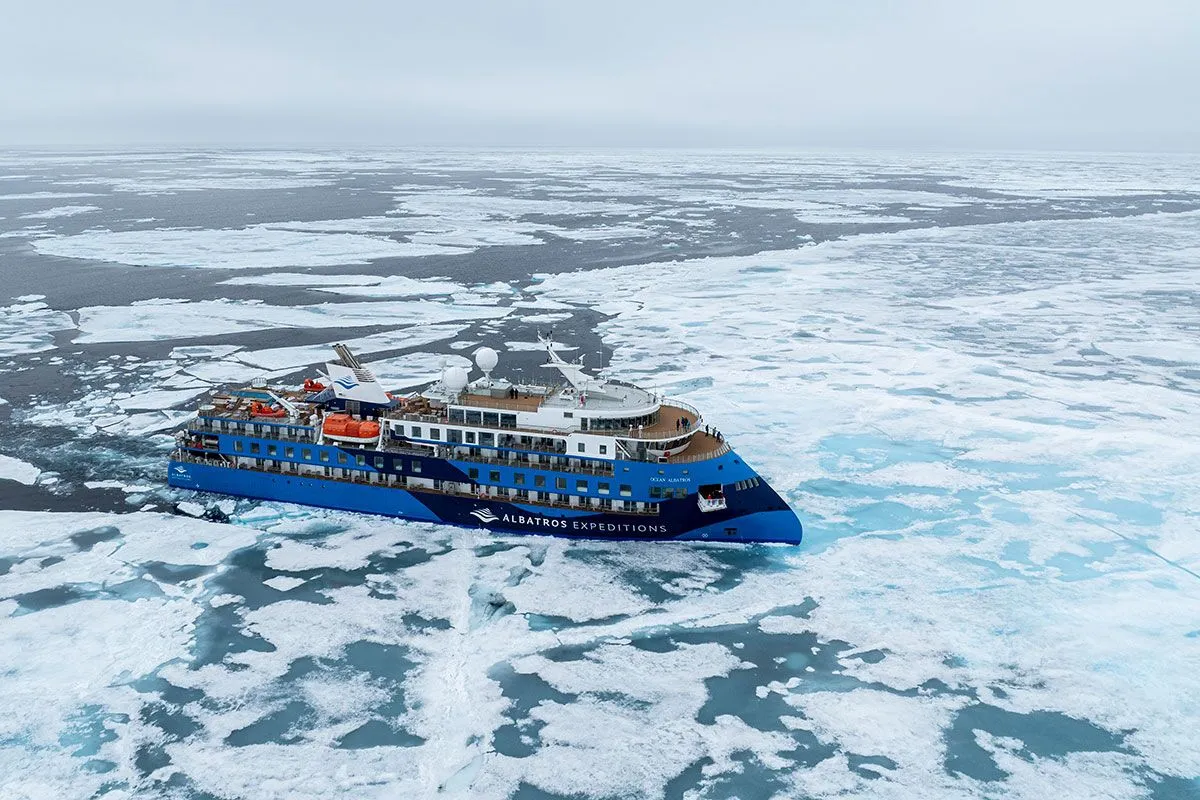 Into the Ice
The Arctic ice pack north of Svalbard is a vast, ever-changing wilderness stretching to the North Pole and beyond to Alaska and Siberia, forming one of Earthâs largest and most dynamic habitats. Though it appears empty at first, this icy realm conceals abundant wildlifeâfrom tiny cod-like fish to seabirds and seals, belugas, bowhead whales, and the elusive polar bear, the regionâs apex predator. Ocean Albatros can navigate these narrow ice channels, offering a rare glimpse into this mysterious, shifting environment where natureâs secrets unfold with patience and careful observation.
Day 7
 Kongsfjorden Area
During the Arctic ânight,â we sail into the stunning Kongsfjord, a vast fjord system framed by glaciers and the dramatic Three Crowns mountains. Here we will visit Ny-Ã
lesund, Earthâs northernmost settlement, known for its scientific stations and historic role as a base for legendary polar explorers such as Amundsen and Nansen. This remote outpost continues to support vital research amid its breathtaking surroundings, blending the frontiers of science and exploration.
Day 8
Longyearbyen Disembarkation
On the final morning of our expedition, we arrive back in Longyearbyen. Even this small town will feel like a metropolis after days of isolation in the wilderness of the Arctic! After exploring Longyearbyen and bidding a fond farewell to the crew and fellow Arctic explorers, return to Svalbard Airport and join your flight back to the Norwegian mainland- with memories to last a lifetime.
Greenland Explorer
Cruise Line: Polar Latitudes Expeditions
Ship: Ocean Victory
Travel Period: Aug 15 2026 - Jun 10 2027
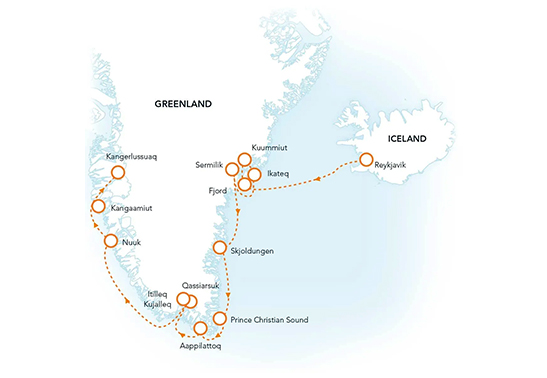
Port: Reykjavik to Kangerlussuaq
Duration: 12 Days
Greenland Explorer
Day 1
 All Aboard in Kangerlussuaq!
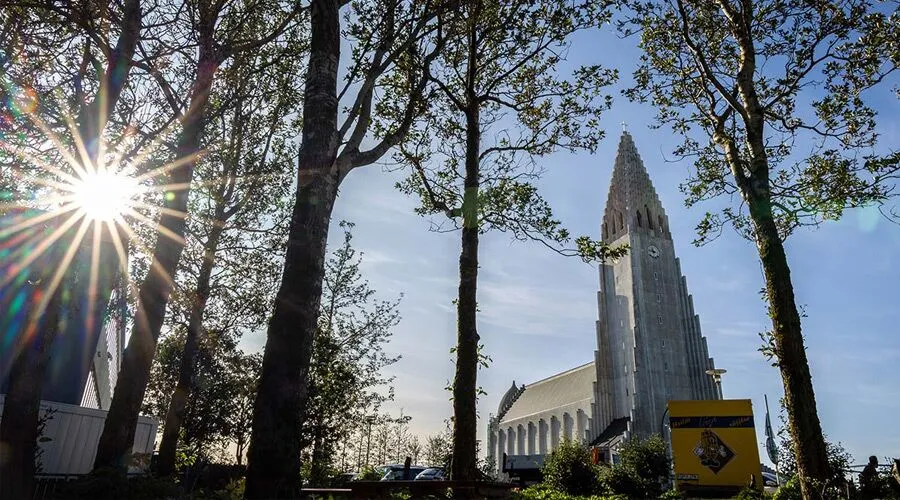
HallgrÃmskirkja Church towers over Reykjavik, a vibrant city known for Nordic cuisine, unique museums, and lively shopping. After safety briefings, we set sail towards East Greenland.
Day 2
 At Sea, Crossing the Denmark Strait
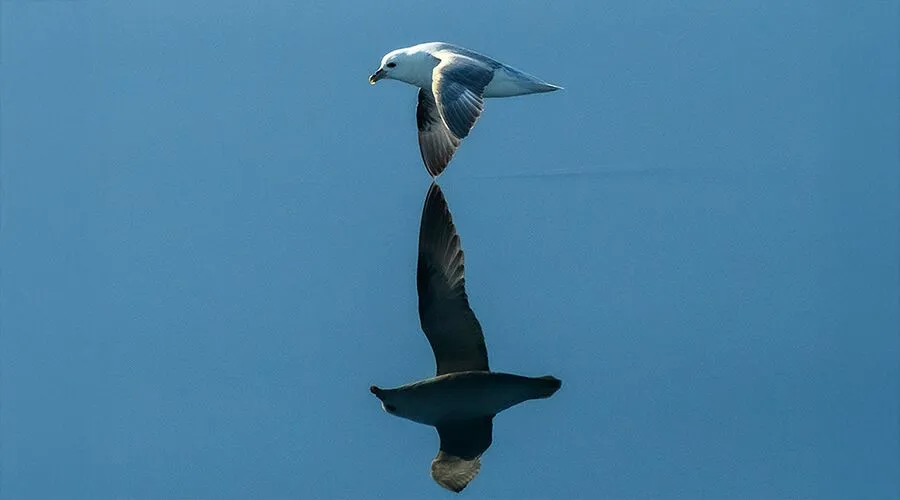
The Denmark Strait, a narrow passage between Iceland and Greenland, teems with rich marine life. Join your Expedition Team on the outer decks to watch for wildlife. Nearing Greenland, the team shares insights on ecology, geology, and wildlife, as well as briefings preparing guests for Zodiac operations and polar bear safety in the wilderness of Greenland.
Day 3
 Tasiilaq, East Greenland
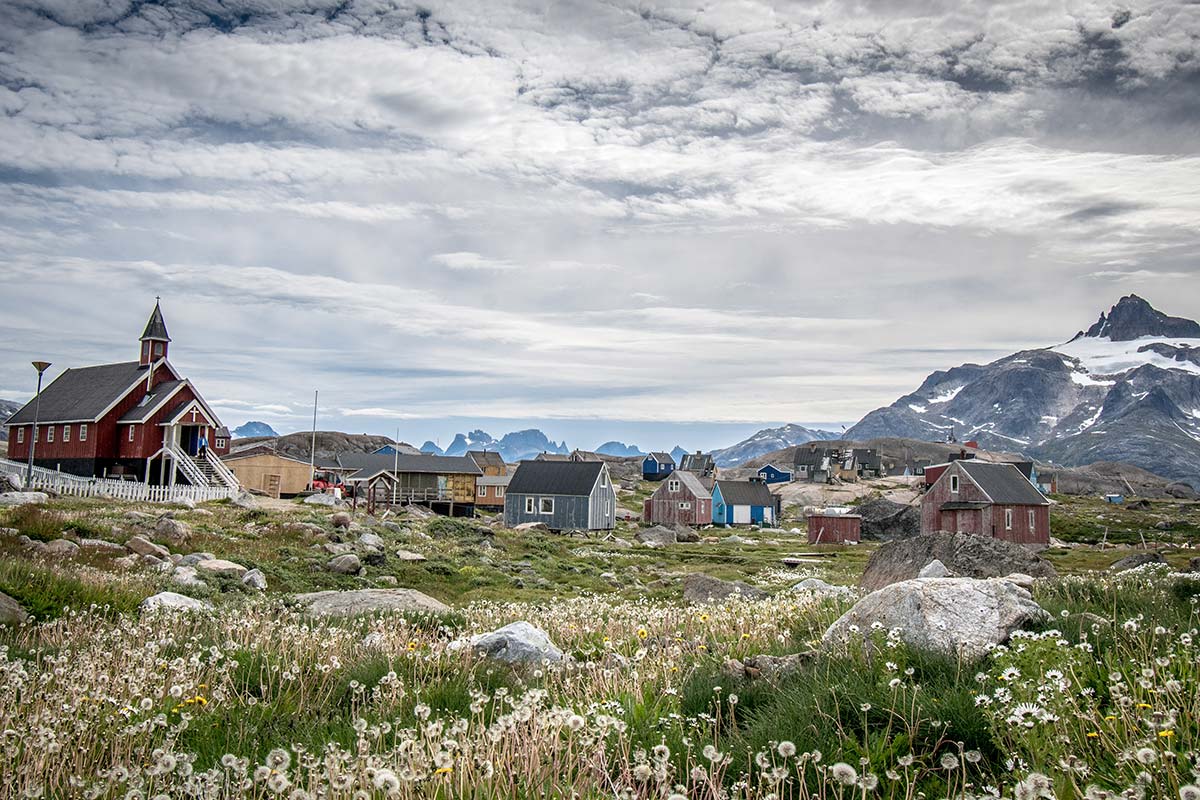
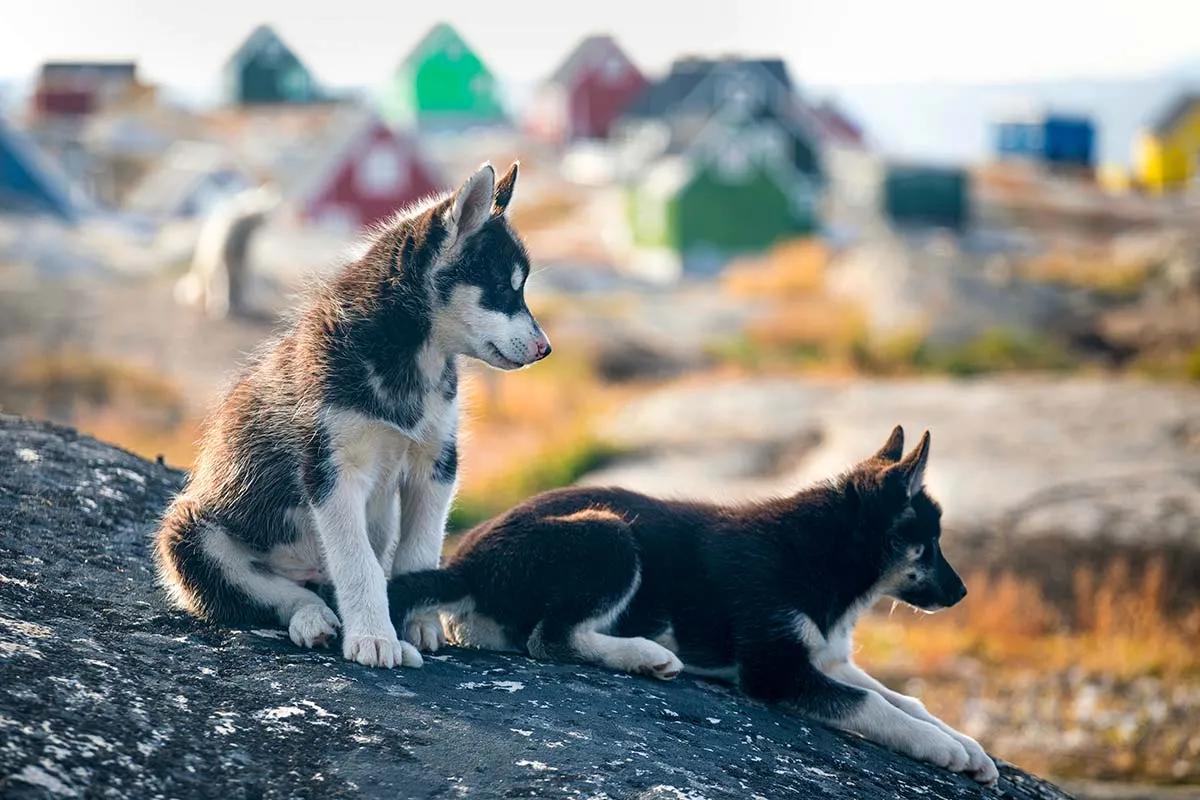
Tasiilaq is East Greenlandâs largest settlement, sitting on rugged Ammassalik Island. Isolated from European contact until its founding as a trading post in 1894, it preserves the unique culture of the Tunumiit people. Once home to Greenlandâs last shamans, Tasiilaq is the origin of the tupilak, a feared magical creature â now a celebrated art form. Visitors can meet sled dogs (with ownersâ permission), experience drum dancing, hike tundra meadows, and visit the famous Stunk Artistâs Workshop.
Day 4
 Ikateq and Kuummiit
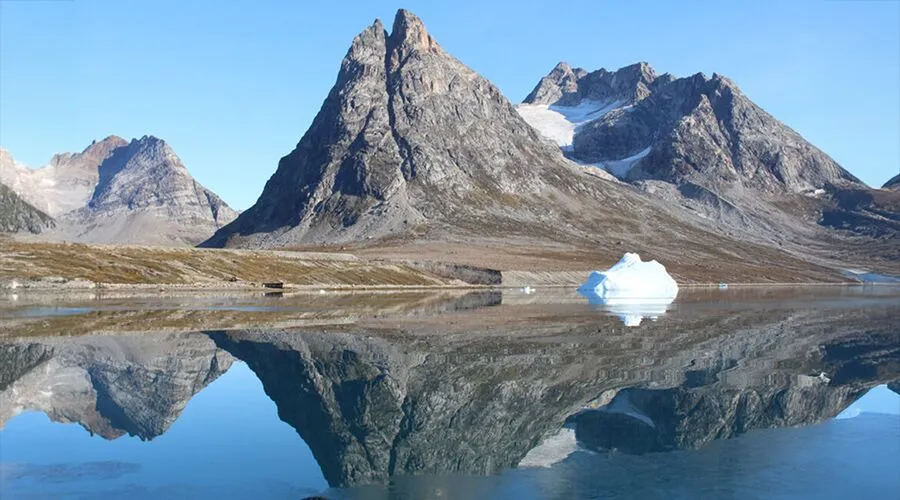
During the morning, we approach Ikateq, also known as Bluie Two East â a haunting remnant of the American military presence on Greenland during the Second World War. Marvel at the remains of this vital airbase, untouched since it was abandoned in 1947.
In the afternoon we reposition to Kuummiit â a small village deep in the calm waters of Ammassalik Fjord. Here we will have a chance to connect with the friendly locals and experience East Greenlandic culture in one of countryâs most beautiful and welcoming villages.
Day 5
 Sermilikfjord
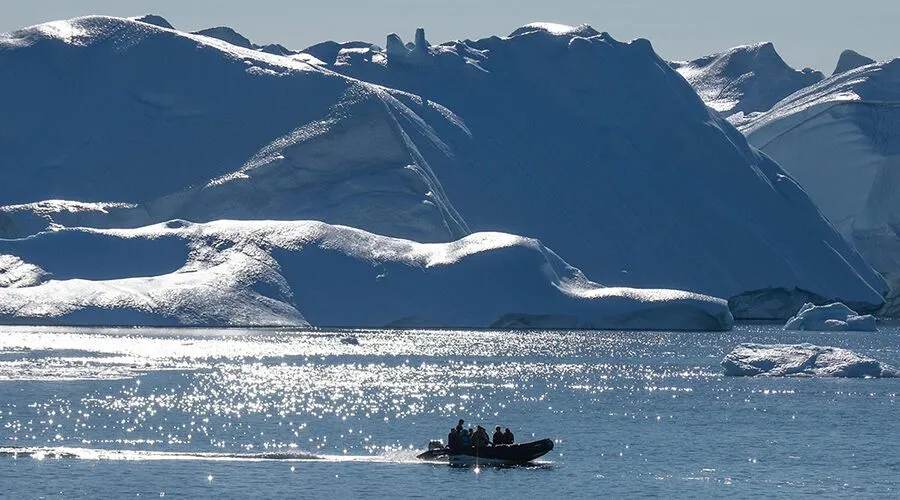
Our next stop is the breathtaking Sermilikfjord â a vast ice-choked fjord which drains the colossal Helheim Glacier. Armadas of vast icebergs drift from the Greenland Ice Sheet out into the North Atlantic, creating one of the most spectacular natural sights on Earth. Join your Expedition Team on a Zodiac cruise and marvel at the gigantic icebergs, natural ice sculptures tens of thousands of years in the making!
Day 6
 Skjoldungen/Saqqisikuik
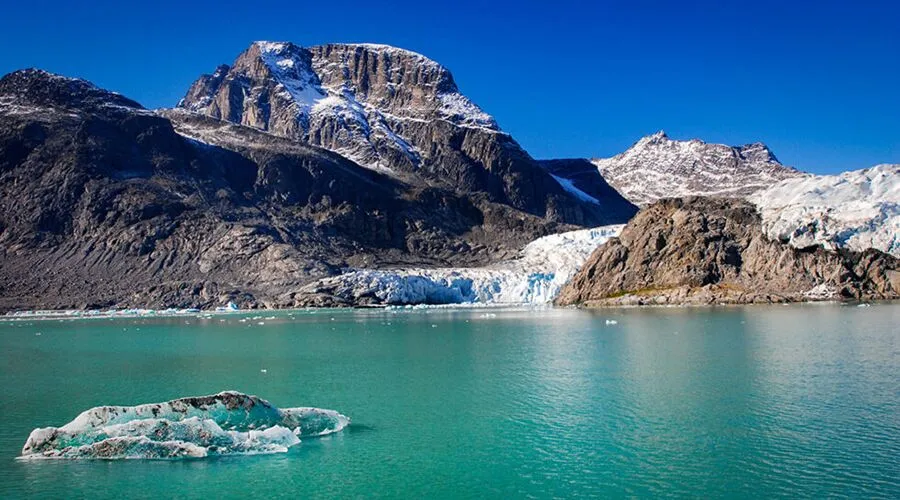
Today, we explore Skjoldungen, a stunning fjord on Greenlandâs southeast coast, known to locals as Saqqisikuik. Once visited by Inuit and briefly settled in the 20th century, it is now remote and uninhabited. Surrounded by breathtaking peaks, highlights include Thryms Glacier and the valley of Dronning Marie Dal. Weather permitting, we may land to explore or cruise by the glacier.
Day 7
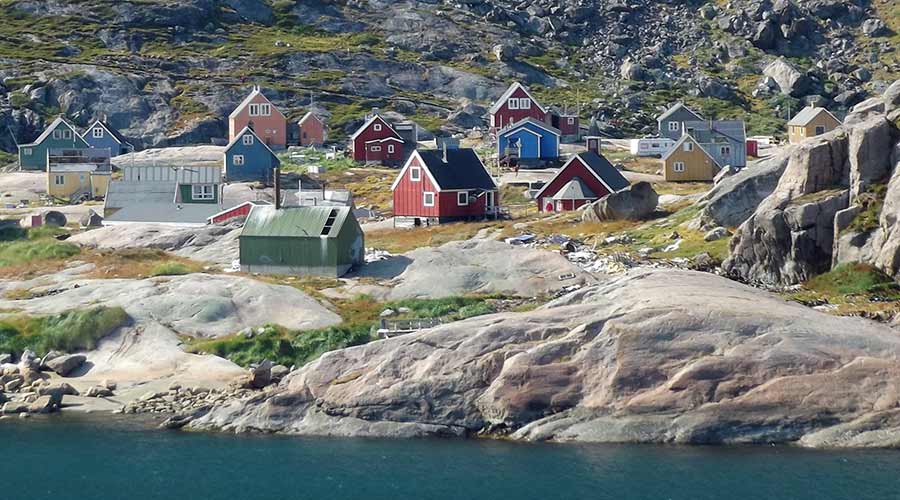 Prins Christian Sund and Appilaattoq
In the morning, we sail through spectacular Prins Christian Sund, a 60 km iceberg-filled strait linking East and West Greenland. Surrounded by mountains, glaciers, and valleys, itâs one of the worldâs most spectacular waterways. By afternoon, we reach Aappilattoq, a small, remote village beneath granite cliffs, known for its traditional lifestyle, scenic hiking, and famous local choir.
Day 8
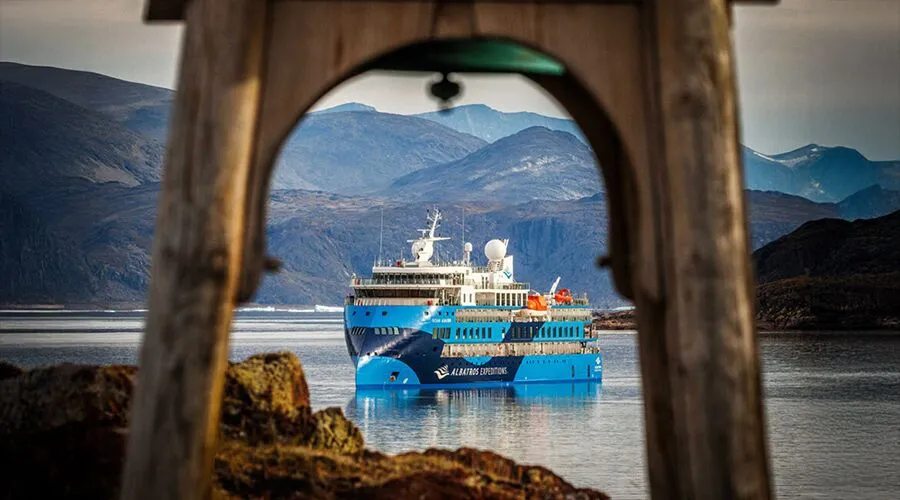 Qassiarsuk and Itilleq Kujalleq
Next, we cruise through Tunulliarfik Fjord to Qassiarsuk, a lush village known for sheep farming and its rich Norse history. Founded in 1924, the modern village sits on the site of Erik the Redâs 10th-century farm, BrattahlÃð. Legend has it that his wife Thjodhild refused to join her pagan husbandâs bed until he built her a church â the first in the Americas. In the afternoon, we hike from nearby Itilleq through lush green fields to Igaliku and the ruins of Garðar, the seat of Norse Greenlandic power.
Day 9
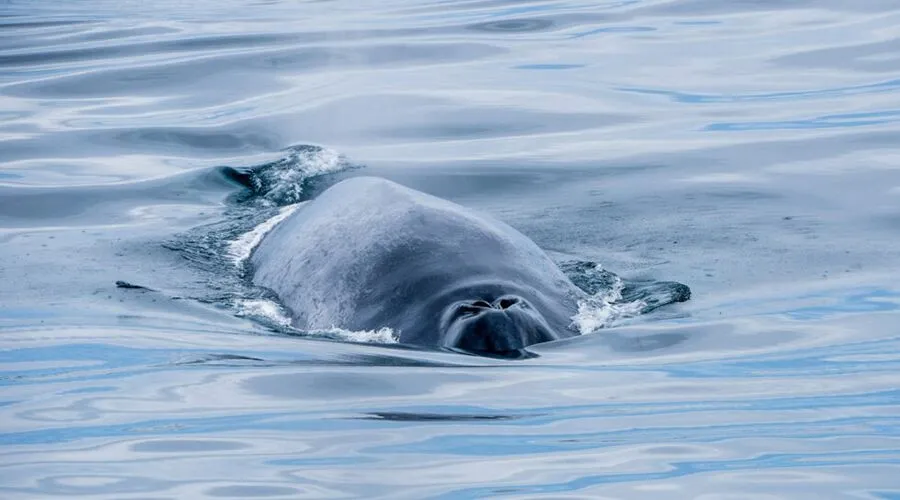 At Sea, En Route to Nuuk
From South Greenland, we sail north along the rugged coast. Nearly all of Greenlandâs settlements lie on the western coast, facing the Davis Strait. Warm Atlantic currents enrich these waters, attracting whales, seals, human hunters, and many seabirdsâso keep an eye out during our day at sea!
Day 10
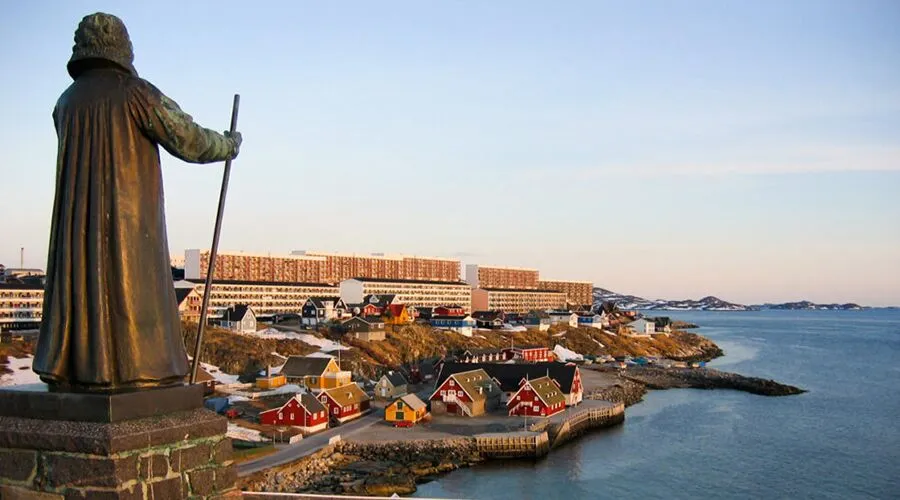 Nuuk, Capital of Greenland
Home to 20,000 residents, Nuuk, Greenlandâs capital, offers culture, history, and stunning natural beauty. Inhabited since 2200 B.C. by Paleo-Inuit and later by Norse settlers, Nuuk is now Greenlandâs cultural and political center, featuring the Parliament, National Museum (home of the Qilakitsoq mummies), Katuaq cultural center, local art shops, and cozy cafés. Affectionately known as âNuuk Yorkâ by locals, it stands as a singular blend of the ancient and the contemporary.
Day 11
 Kangaamiut and Evighedsfjorden
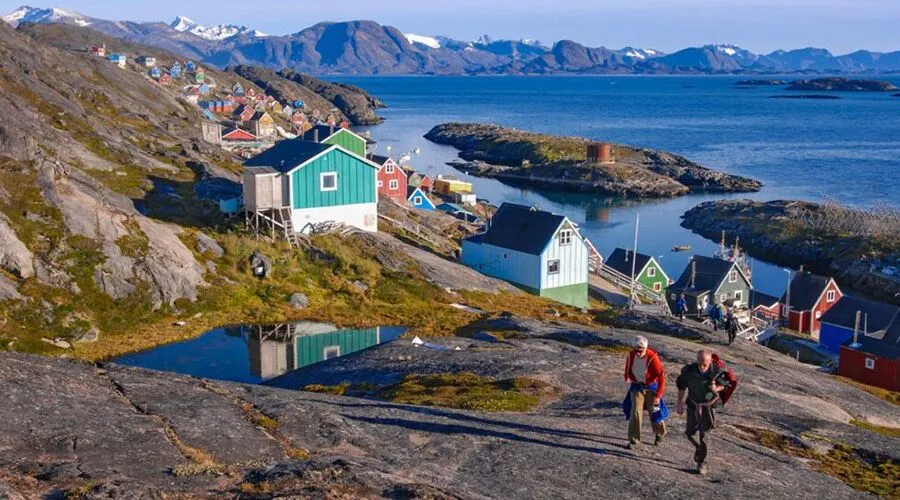
On the final full day of our voyage, we arrive in Kangaamiut, a village where traditional hunting, fishing, and weather shape daily life. Guests can hike for panoramic views, and enjoy a warm cultural welcome with local crafts, food, and performance. In the afternoon, we venture into EvighedsfjordenââThe Eternity Fjordââby Zodiac, cruising past majestic glaciers and dramatic bird cliffs, a thrilling and unforgettable finale to our Arctic voyage.
Day 12
 Kangerlussuaq Disembarkation
As our journey concludes, we sail up the 160 km Kangerlussuaq Fjord and disembark by Zodiac. Though Kangerlussuaq is more known for its Cold War-era military roots and role as a transport hub than cultural heritage, its surrounding wilderness offers striking natural beauty â the perfect place to end our thrilling expedition.
Greenland: Disko Bay & Beyond
Cruise Line: Polar Latitudes Expeditions
Ship: Ocean Albatros
Travel Period: Aug 22 2026 - Sep 12 2026
Port: Kangerlussuaq to Kangerlussuaq
Duration: 8 Days
Greenland: Disko Bay & Beyond
Day 1
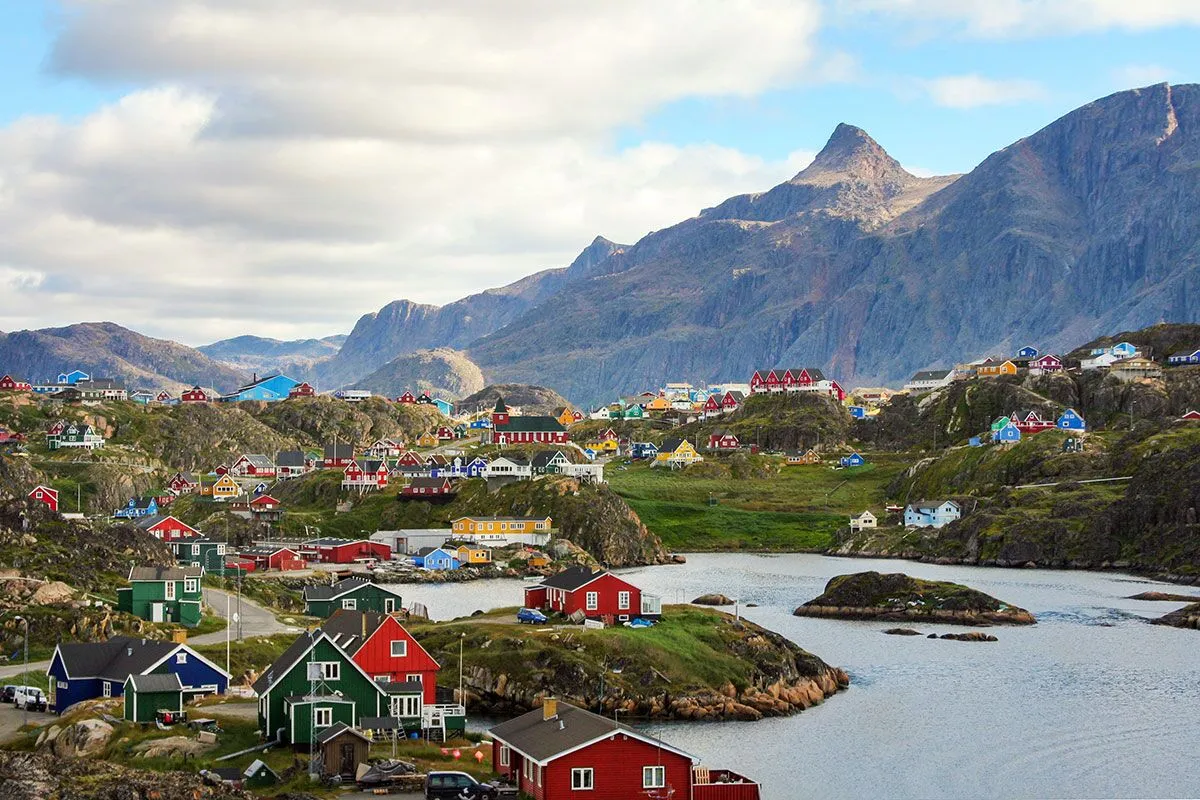 All Aboard in Kangerlussuaq!
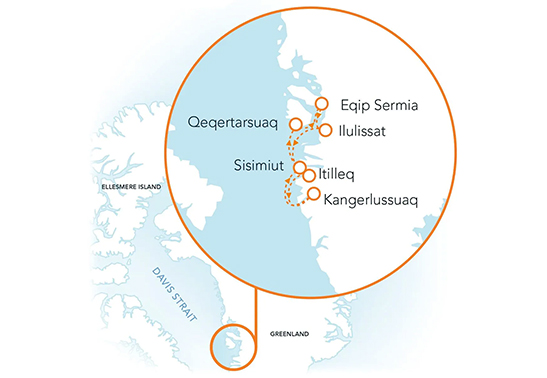
On day one, we arrive Kangerlussuaq, Greenlandâs only inland town and a key air hub with a rich Cold War history. Upon arrival, we transfer by Zodiac to the Ocean Albatros, settle into our cabins, complete a safety drill, and then toast with champagne as we begin our journey through the stunning Kangerlussuaq fjord.
Day 2
Sisimiut â Greenlandâs Second City
Sisimiut is Greenlandâs second-largest city, with around 5,400 residents. Inhabited since 2,500 BC by Paleo-Inuit peoples, the area holds ancient remains on nearby Tele Island, which can be reached on a refreshing hike. Founded as Holsteinsborg in 1756, Sisimiut features well-preserved historic buildings like the Blue Church from 1775, situated in the cityâs charming museum quarter. Today, Sisimiut is a key hub for education and industry, hosting one of Greenlandâs largest fish processing plants and the supply company KNI, which services remote settlements. The city blends traditional and modern Arctic lifeâexplore the cultural center Taseralik, the city museum, and the famous art workshop, and taste Greenlandic delicacies.
Day 3
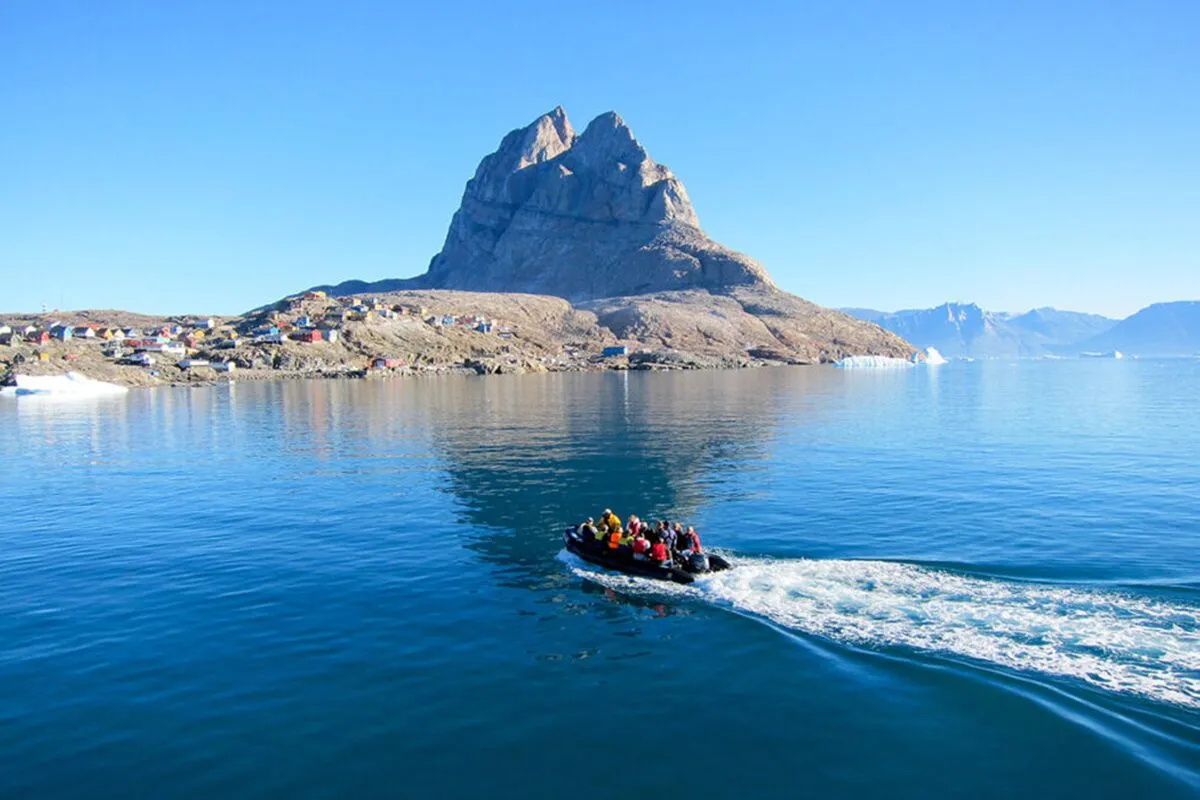 Qeqertarsuaq (Disko Island)
Qeqertarsuaq is a picturesque town nestled beneath Disko Islandâs towering basalt mountains. Once the heart of North Greenlandâs whaling economy, the town shifted focus to hunting, fishing, and growing tourism after the industry declined. Qeqertarsuaqâs rich volcanic soil and mild microclimate create uncommonly lush greenery, attracting locals and visitors to its rugged beauty, colorful houses and excellent hiking. In the afternoon, weâll explore the dramatic coastline of nearby Kuannit by Zodiac, famed for lush tundra, caves, waterfalls, and stunning icebergs, before heading north towards Uummannaq.
Day 4
Uummannaq: The Greenlandic Riviera
Uummannaq sits at the foot of its striking 1,170m âheart-shapedâ mountain â a true Greenlandic landmark. Founded in 1763 by Danish colonists, the town blends historic charm with rich Inuit heritage. Today, Uummannaq is a lively community where locals sell traditional handicrafts in the town square and fresh fish at the bustling market, and locals are strongly connected to their traditional lifestyle. Visit the museum for an insight into local history, or hike to Santaâs house â another famous local landmark. As we sail into Uummannaq Fjord, take in breathtaking views of the iceberg-studded waters and towering peaks beneath the endless midnight sun.
Day 5
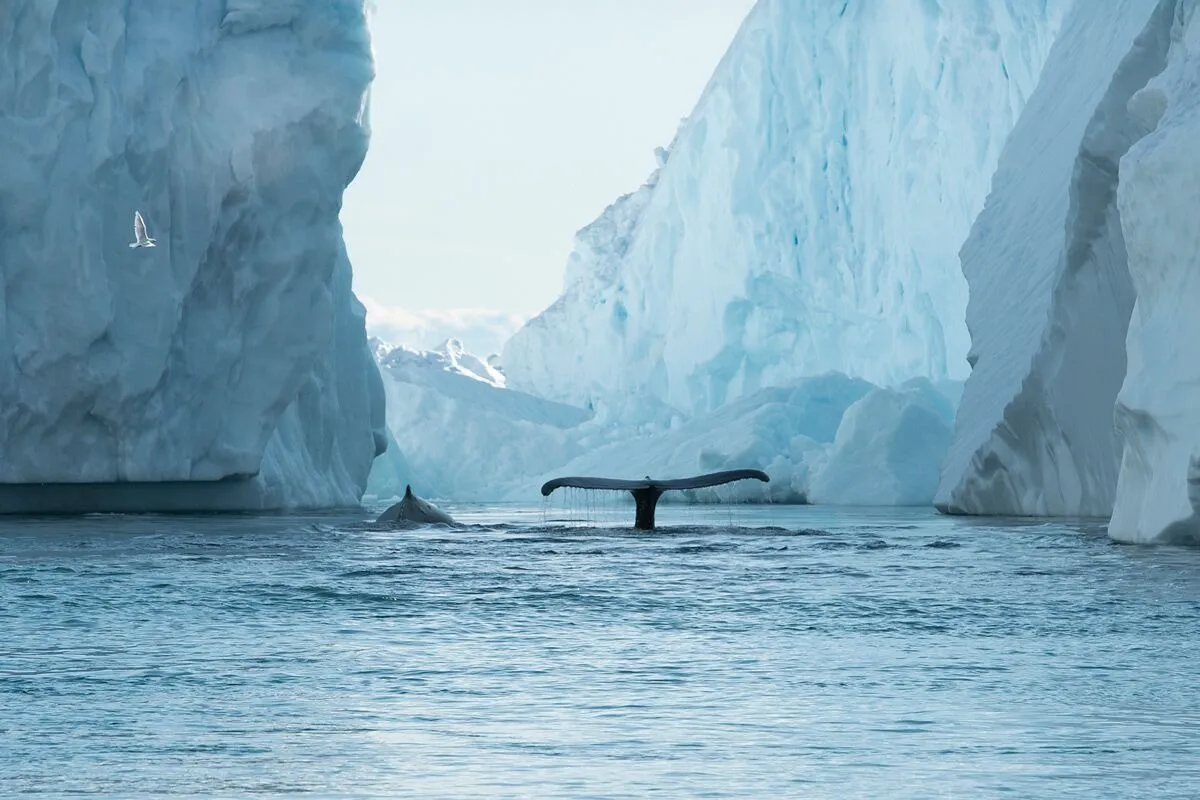 Eqip Sermia Glacier
Eqip Sermia (a descriptive Greenlandic name meaning âthe Glacier at the End of the Fjordâ) is a relatively small glacier for Greenland, although it is still a truly vast river of ice, flowing directly from the Ice Sheet. It is also one of the most active, and ice constantly tumbles off the vast glacier-front. If conditions allow, we will launch our fleet of Zodiacs to approach this vast river of ice, and hopefully experience the roar of the glacierâs frequent calvings at sea level (from a safe distance of course)!
Day 6
Ilulissat, Iceberg Capital of the World
Ilulissatâmeaning âicebergsâ in Kalaallisutâis the stunning Iceberg Capital of the World, home to the UNESCO-listed Ilulissat Icefjord, accessible on a gentle walk from the harbor. This 70 km fjord leads to Sermeq Kujalleq, the largest glacier outside Antarctica, which drains 13% of the Greenland Ice Sheet and produces 10% of the Northern Hemisphereâs icebergsâmore than the entire U.S. annual water supply! Founded 280 years ago and the birthplace of legendary Arctic explorer Knud Rasmussen, Ilulissat is Greenlandâs third largest town, rich in culture and adventure. Enjoy fresh local seafood, vibrant markets, and elegant art galleries. The hiking trails around the Icefjord are a must-do for visitors, who may also choose thrilling optional boat or flightseeing tours to witness the raw power of the ice up close.
Day 7
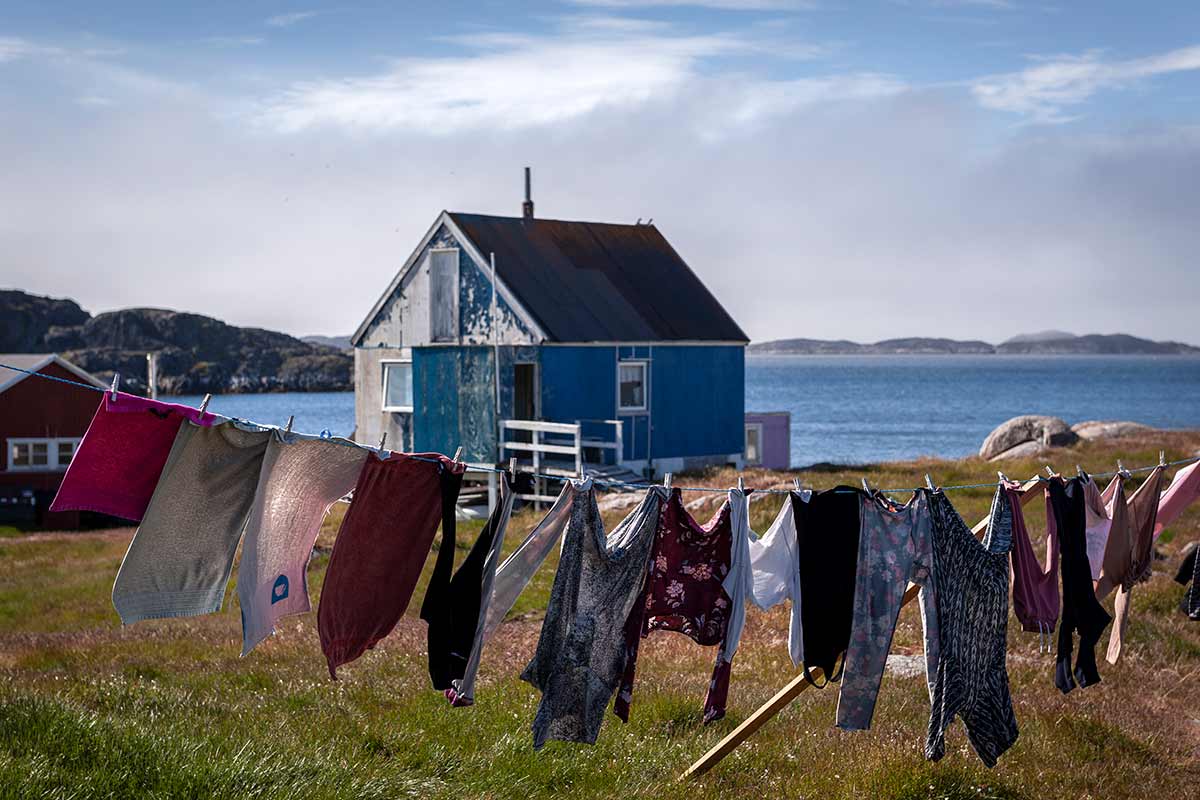 Itilleq Village
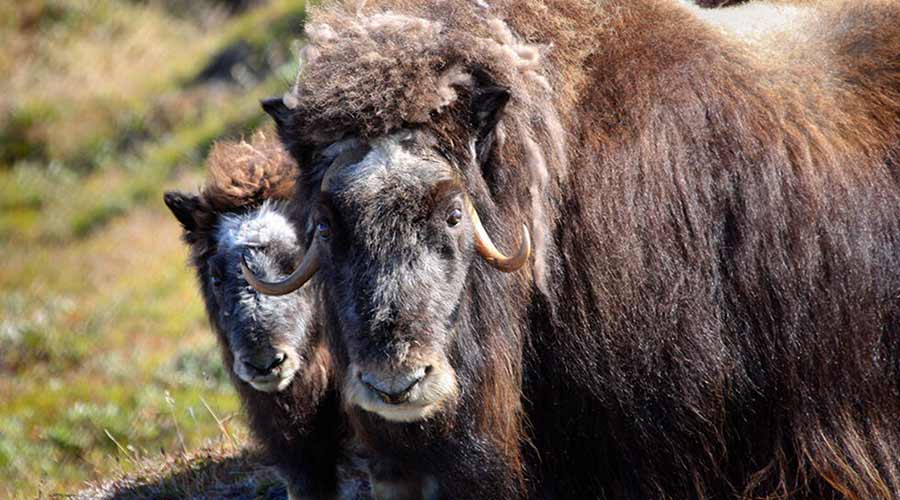
Itilleq â meaning âthe Crossing Place from the Seaâ â is a picturesque village nestled among mountains and fjords just north of the Arctic Circle. Located at the edge of the Aassivisuit-Nipisat UNESCO World Heritage Site, it preserves a rich Inuit hunting heritage dating back thousands of years. Modern colorful houses have replaced turf huts, but locals still rely on Arctic char, reindeer, and muskox, blending tradition with modern life. Warm Greenlandic hospitality welcomes visitors eager to explore this wonderfully homely hamlet.
Day 8
Kangerlussuaq disembarkation
As our journey concludes, we sail up the 160 km Kangerlussuaq Fjord and disembark by Zodiac after a fond farewell to the Expedition Team and Crew of Ocean Albatros. Though Kangerlussuaq is more known for its Cold War-era military roots and role as a transport hub than its cultural heritage, its surrounding wilderness offers striking natural beauty. Originally built by the U.S. military in the 1950s, the town retains a utilitarian charm. Our Arctic adventure ends at the modern airport, with lasting memories of Greenlandâs wild landscapes.
Highlights of Iceland
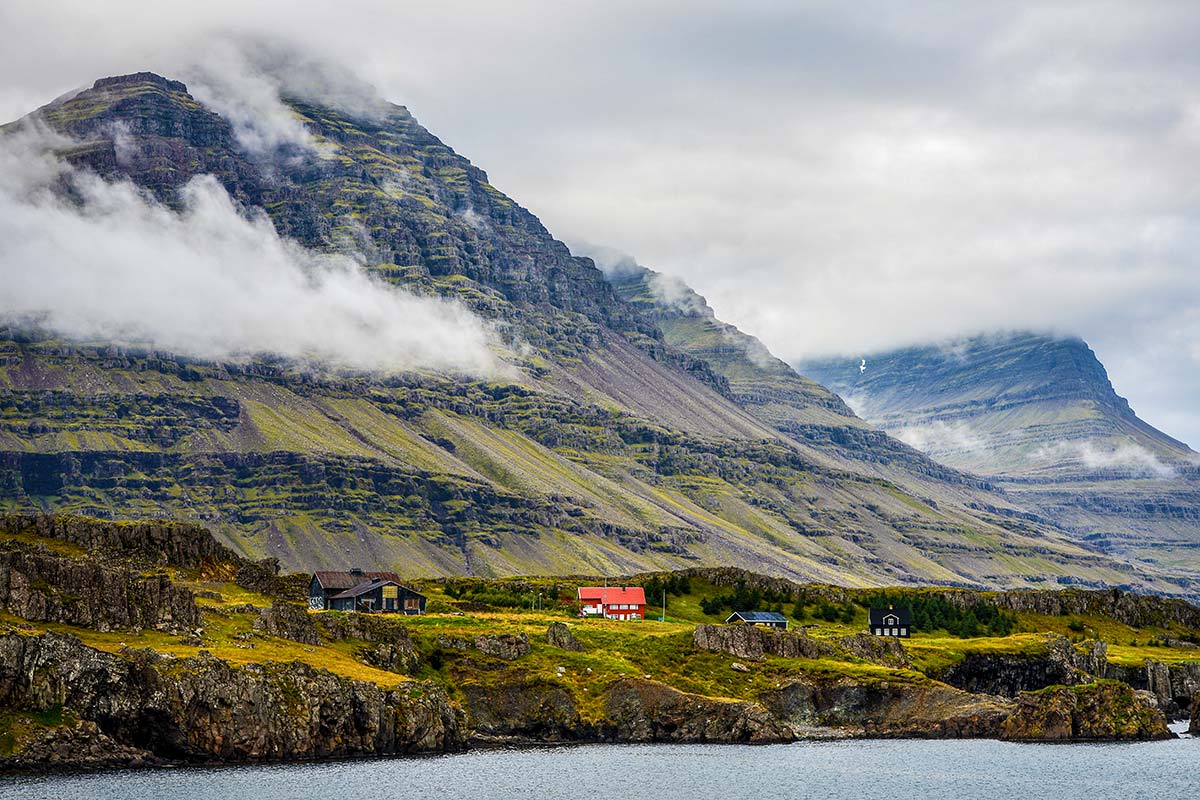
Cruise Line: Polar Latitudes Expeditions
Ship: Ocean Victory
Travel Period: Jun 03 2027
Port: Reykjavik to Reykjavik
Duration: 8 Days
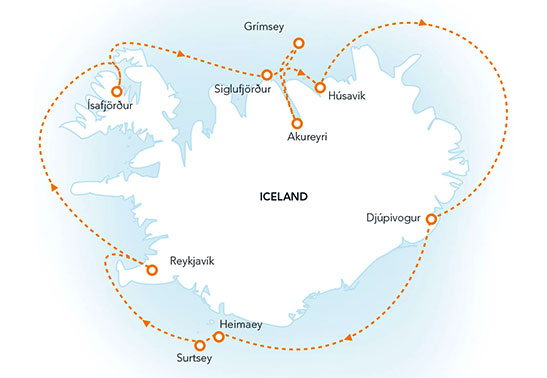
Highlights of Iceland
Day 1
Reykjavik, Iceland â Embarkation
Our adventure begins in Icelandâs vibrant capital, Reykjavik. Famous for its modern Nordic culture, excellent food scene, and relaxed atmosphere, Reykjavik is the ideal starting point for our Arctic adventure. After boarding our expedition ship, Ocean Albatros, guests will enjoy dinner and champagne as we set sail out of Faxaflói Bay, following ancient Norse sea routes towards the wild Westfjords.
Day 2
Isafjorour
Sisimiut is Greenlandâs second-largest city, with around 5,400 residents. Inhabited since 2,500 BC by Paleo-Inuit peoples, the area holds ancient remains on nearby Tele Island, which can be reached on a refreshing hike. Founded as Holsteinsborg in 1756, Sisimiut features well-preserved historic buildings like the Blue Church from 1775, situated in the cityâs charming museum quarter. Today, Sisimiut is a key hub for education and industry, hosting one of Greenlandâs largest fish processing plants and the supply company KNI, which services remote settlements. The city blends traditional and modern Arctic lifeâexplore the cultural center Taseralik, the city museum, and the famous art workshop, and taste Greenlandic delicacies.
Day 3
Siglufjorour and Grimsey
Siglufjorour, Icelandâs northernmost mainland town, thrived during the herring boom of the mid-20th century, growing from a sleepy village to the hub of the countryâs fishing industry. Today, the herring still reigns supreme; the charming streets and Herring Era Museum showcase this proud heritage, while its jaw-dropping fjord setting offers rich bird-watching opportunities. Later, we sail to GrÃmsey Island, the only part of Iceland crossing the Arctic Circle. A guided walk reveals its rugged beauty, curious unafraid seabirds, and the symbolic Arctic Circle marker, âOrbus et Globusâ, which is shifted annually to account for tiny changes to Earthâs orbit.
Day 4
Akureyri
Nestled at the end of Eyjafjörður, Icelandâs longest fjord, Akureyri is known as the âCapital of the North.â Despite its small size, the city boasts a unique cathedral, the first botanical gardens in Iceland, massive geothermally heated swimming pools, and a lively cultural scene. Sheltered by surrounding hills from the worst of the Arctic weather, its rich volcanic soils support abundant agriculture, and the frigid waters of the fjord hold rich fish stocks â a treat for the discerning palate!
Day 5
Husavik
Just beyond Akureyri lies HúsavÃk, Icelandâs oldest settlement, founded by the Viking pioneer Náttfari in the late 9th century. Small but bustling, HúsavÃk has fully embraced tourism and is the undisputed whale-watching capital of Iceland. Where whalers once hunted, conservation and tourism now shelter these gentle giants. The town also offers museums, including one dedicated to whale conservation, and another celebrating Icelandâs contributions to exploration in the Arctic, Antarctic, and even into space. No trip to Husavik is complete without a soak at the nearby Geosea Spa with sweeping views over Skjálfandi Bay.
Day 6
Djupivogur
Situated on Icelandâs scenic southeast coast, Djúpivogur is framed by fjords, mountains, and rich bird habitats. It is the closest port in the country to the Faroe Islands, Scandinavia, and mainland Europe, and is a popular port of call for vessels exploring the North Atlantic. Centered around the harbor, the town dates back to the 16th century and is known for its unique public art, including the Eggin à GleðivÃk (Eggs of Merry Bay) sculpture. Hikers and birdwatchers are spoiled for choice, with mile upon mile of nature waiting to be explored. One of Icelandâs most beautiful black sand beaches is just a short stroll from town and features a huge variety of bird species.
Day 7
Heimaey and Surtsey, Westman Islands
Next, we visit Heimaey, the largest of the volcanic Westman Islands. Visitors can explore the dramatic lava fields of Eldfell volcano and the world-renowned bird colonies of the island. The residents of Heimaey were severely tested in 1973, when Eldfell volcano began to spew lava, threatening the town and its vital harbour. Heroic locals fought back, cooling the lava with seawater jets to save their community. Weather permitting, we will cruise past Surtsey on departure, a newly formed volcanic island strictly reserved for scientific research.
Day 8
Reykjavik â Disembarkation
As our journey concludes, we sail up the 160 km Kangerlussuaq Fjord and disembark by Zodiac after a fond farewell to the Expedition Team and Crew of Ocean Albatros. Though Kangerlussuaq is more known for its Cold War-era military roots and role as a transport hub than its cultural heritage, its surrounding wilderness offers striking natural beauty. Originally built by the U.S. military in the 1950s, the town retains a utilitarian charm. Our Arctic adventure ends at the modern airport, with lasting memories of Greenlandâs wild landscapes.
Greenland: Disko Bay & Ilulissat
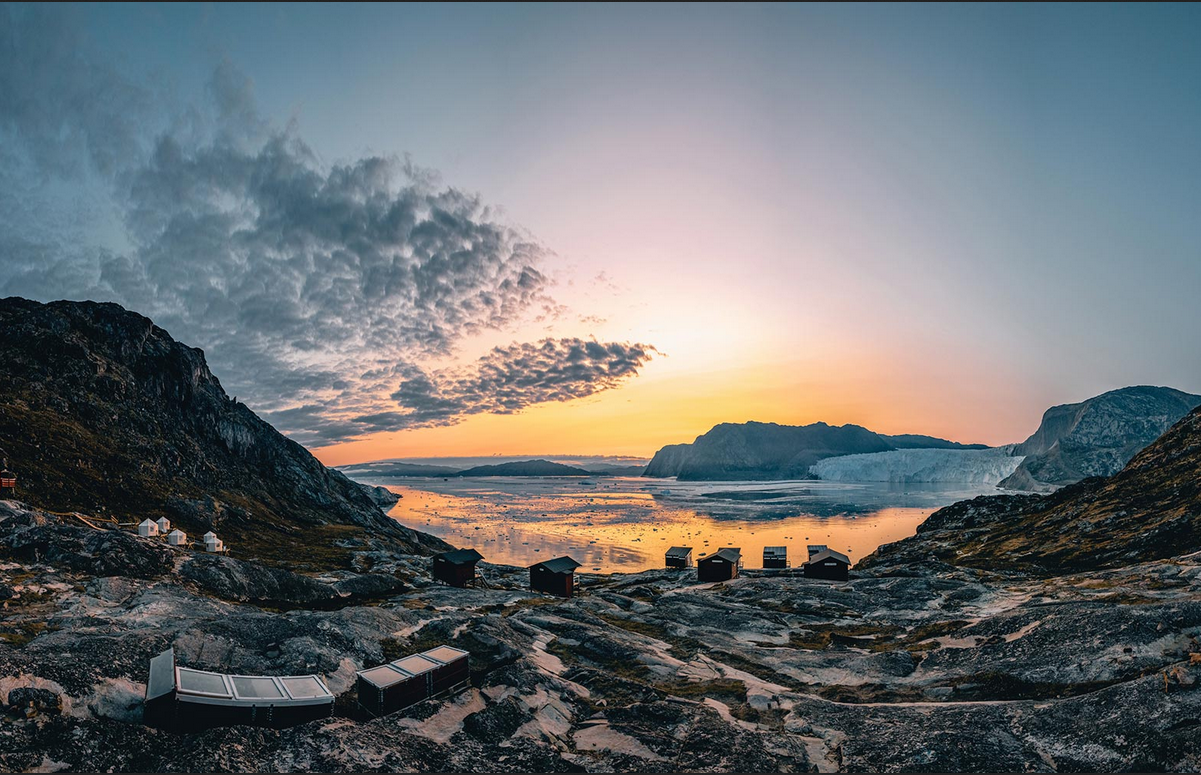
Cruise Line: Polar Latitudes Expeditions
Ship: Ocean Victory
Travel Period: Jun 27 2027
Port: Kangerlussuaq to Kangerlussuaq
Duration: 7 Days
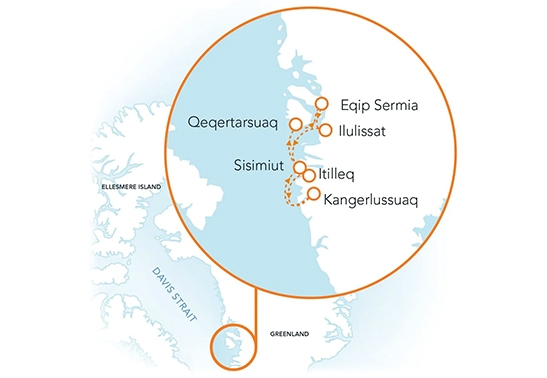
Greenland: Disko Bay & Ilulissat
Day 1
All Aboard in Kangerlussuaq!
On day one, we arrive Kangerlussuaq, Greenlandâs only inland town and a key air hub with a rich Cold War history. Upon arrival, we transfer by Zodiac to the Ocean Albatros, settle into our cabins, complete a safety drill, and then toast with champagne as we begin our journey through the stunning Kangerlussuaq fjord.
Day 2
Sisimiut â Greenlandâs Second City
Sisimiut is Greenlandâs second-largest city, with around 5,400 residents. Inhabited since 2,500 BC by Paleo-Inuit peoples, the area holds ancient remains on nearby Tele Island, which can be reached on a refreshing hike. Founded as Holsteinsborg in 1756, Sisimiut features well-preserved historic buildings like the Blue Church from 1775, situated in the cityâs charming museum quarter. Today, Sisimiut is a key hub for education and industry, hosting one of Greenlandâs largest fish processing plants and the supply company KNI, which services remote settlements. The city blends traditional and modern Arctic lifeâexplore the cultural center Taseralik, the city museum, and the famous art workshop, and taste Greenlandic delicacies.
Day 3
Qeqertarsuaq (Disko Island)
Qeqertarsuaq is a picturesque town nestled beneath Disko Islandâs towering basalt mountains. Once the heart of North Greenlandâs whaling economy, the town shifted focus to hunting, fishing, and growing tourism after the industry declined. Qeqertarsuaqâs rich volcanic soil and mild microclimate create uncommonly lush greenery, attracting locals and visitors to its rugged beauty, colorful houses and excellent hiking. In the afternoon, weâll explore the dramatic coastline of nearby Kuannit by Zodiac, famed for lush tundra, caves, waterfalls, and stunning icebergs, before heading north towards Uummannaq.
Day 4
Eqip Sermia Glacier
Eqip Sermia (a descriptive Greenlandic name meaning âthe Glacier at the End of the Fjordâ) is a relatively small glacier for Greenland, although it is still a truly vast river of ice, flowing directly from the Ice Sheet. It is also one of the most active, and ice constantly tumbles off the glacierâs imposing front. If conditions allow, we will launch our fleet of Zodiacs to approach this river of ice and, hopefully, experience the roar of the glacierâs frequent calvings at sea level (from a safe distance, of course!).
Day 5
Ilulissat, Iceberg Capital of the World
Ilulissatâmeaning âicebergsâ in Kalaallisutâis the stunning Iceberg Capital of the World, home to the UNESCO-listed Ilulissat Icefjord, accessible on a gentle walk from the harbor. This 70 km fjord leads to Sermeq Kujalleq, the largest glacier outside Antarctica, which drains 13% of the Greenland Ice Sheet and produces 10% of the Northern Hemisphereâs icebergsâmore than the entire U.S. annual water supply! Founded 280 years ago and the birthplace of legendary Arctic explorer Knud Rasmussen, Ilulissat is Greenlandâs third largest town, rich in culture and adventure. Enjoy fresh local seafood, vibrant markets, and elegant art galleries. The hiking trails around the Icefjord are a must-do for visitors, who may also choose thrilling optional boat or flightseeing tours to witness the raw power of the ice up close.
Day 6
Itilleq Village
Itilleq â meaning âthe Crossing Place from the Seaâ â is a picturesque village nestled among mountains and fjords just north of the Arctic Circle. Located at the edge of the Aassivisuit-Nipisat UNESCO World Heritage Site, it preserves a rich Inuit hunting heritage dating back thousands of years. Modern colorful houses have replaced turf huts, but locals still rely on Arctic char, reindeer, and muskox, blending tradition with modern life. Warm Greenlandic hospitality welcomes visitors eager to explore this wonderfully homely hamlet.
Day 7
Kangerlussuaq disembarkation
As our journey concludes, we sail up the 160 km Kangerlussuaq Fjord and disembark by Zodiac after a fond farewell to the Expedition Team and Crew of Ocean Albatros. Though Kangerlussuaq is more known for its Cold War-era military roots and role as a transport hub than its cultural heritage, its surrounding wilderness offers striking natural beauty. Originally built by the U.S. military in the 1950s, the town retains a utilitarian charm. Our Arctic adventure ends at the modern airport, with lasting memories of Greenlandâs wild landscapes.
Four Arctic Islands
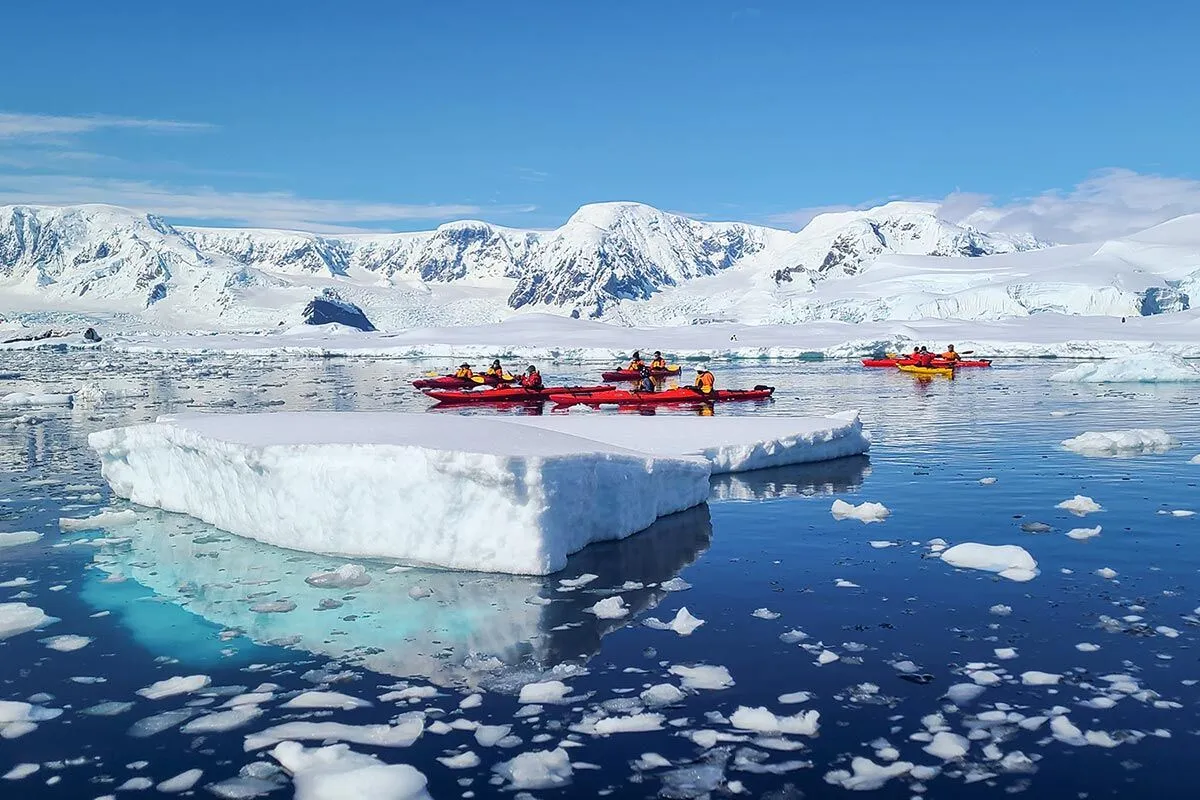
Cruise Line: Polar Latitudes Expeditions
Ship: Ocean Albatros
Travel Period: Aug 29 2027
Port: Longyearbyen to Reykjavik
Duration: 13 Days

Four Arctic Islands
Day 1
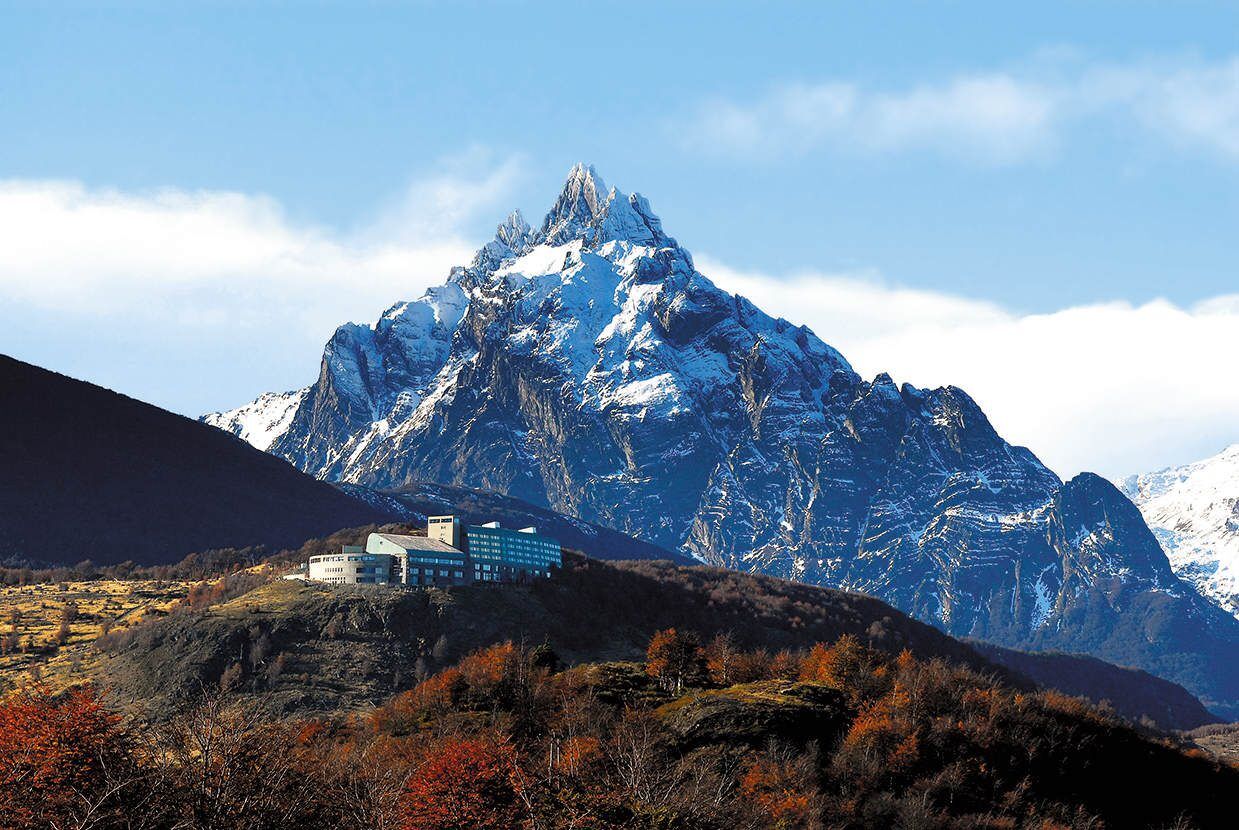 All Aboard in Longyearbyen!
Arrive in Longyearbyen, Svalbardâthe northernmost town on Earth. Despite its remote Arctic location, Longyearbyen offers warm Nordic hospitality. Upon arrival, youâre greeted by crisp polar air, dramatic mountain views, and a polar bear warning sign reminding visitors of their wild new location. Your expedition ship Ocean Albatros awaits you in the harbor; toast your departure from civilization as you sail into the Arctic wilderness, on course for adventure!
Day 2
Kongsfjorden Area
During the Arctic ânight,â we sail past Prins Karls Forland to the stunning Kongsfjord, framed by glaciers and the dramatic Three Crowns mountains. The first stop is Ny-Ã
lesund, Earthâs northernmost settlement, known for its scientific stations and historic role as a base for legendary polar explorers like Amundsen and Nansen. This remote outpost continues to support vital research amid its breathtaking surroundings.
Day 3
Expedition Northwest Spitzbergen
Northwest Svalbard, a National Park since 1973, preserves a rich history of early Arctic exploration and whaling. First visited by William Barents in 1596, the area became a hub for Dutch and English whalers, whose haunting remnants, such as the blubber ovens and graves of young sailors at Smeerenburg, remain visible. Now heavily protected, the region has been reclaimed by nature, hosting Arctic flowers, seabirds, walrus, and polar bears, making it once again a pristine wilderness and haven for wildlife.
Day 4
Expedition South Svalbard
On our final day on Svalbard, our expedition enters the greener, warmer fjords of Bellsund and Hornsund, nourished by Atlantic currents. These fertile valleys support reindeer, Arctic foxes, nesting seabirds, and drifting icebergs from nearby glaciers. Rich in wildlife and history, the area offers highlights like Alkhjornetâs bird cliffs and the historic sites of Calypsobyen and Bamsebu, making it one of Svalbardâs most diverse and captivating regions.
Day 5 & 6
At Sea, En Route to Jan Mayen
Departing Svalbard, Ocean Albatros heads southwest across the Greenland Sea towards Jan Mayen. Cold currents drifting down from the Arctic Ocean mix with the last gasp of the Gulf Stream, creating vast biological productivity. During sea days, guests can enjoy fascinating lectures, indulgent spa treatments, or simply relax and watch seabirds from the shipâs hot tubs.
Day 7
Jan Mayen
The active volcanic island of Jan Mayen is on the Mid-Atlantic Ridge, the âspineâ of the Atlantic Ocean. This enigmatic and isolated island is the only active volcano in Norway, and the northernmost active volcano on Earth. Jan Mayen is inhabited by only around 18 people, a mixture of scientists and Norwegian troops. The volcanic origin is visible all over with cinder cones, lava flows, and the Fuji-esque peak of Beerenberg looming above, while creeping tundra plants and squabbling seabirds eek out a living in the rugged cliffs.
Day 8
At Sea, En Route to Scoresbysund
From Jan Mayen, Ocean Albatros will sail on towards the coast of the largest island on Earth. The sea ice in East Greenland is some of the most persistent in the Arctic; even in midsummer, the coast can be icebound, creating the perfect habitat for ice-loving species such as polar bears and belugas. If we are lucky, we will catch a glimpse of this vast icy wilderness during our passage towards Scoresbysund.
Day 9
Tasermiut and Uunartoq
Tasermiut Fjord is known for its towering granite cliffs and fertile valleys. Once called Ketilâs Fjord by Norse settlers, itâs now popular with elite climbers and hikers. Later, we sail to Uunartoq Island to relax in geothermal springs with views of drifting icebergs â an experience unmatched even by Icelandâs legendary spas!
Day 9
Ittoqqortoormiit
The only settlement in this region, Ittoqqortoormiit is among the most remote communities on Earth. While the establishment of the town by Danish authorities in 1925 was challenging, residents continue a subsistence hunting lifestyle, essential when supply ships arrive only once or twice per year. Ittoqqortoormiit is a town with a strong sense of community and traditional culture, hosting an excellent museum, a beautiful traditional church, and locals often welcome visitors wearing colourful traditional costumes. Ittoqqortoormiit is the perfect introduction to the culture and lifestyle of Greenland.
Day 10
Expedition Scoresbysund
Venturing deep into the maze of fjords and islands that comprise Scoresbysund, it is easy to see why this region is spoken of with awe by even experienced explorers! The exact locations we visit in Scoresbysund will be dictated by Mother Nature â this far north, all human activity is subject to wind, sea, and ice conditions. Options include the Bjørne Islands, a labyrinth of skerries which trap vast icebergs in their rocky net, the sweeping basalt mountains of Cape Brewster, and the abandoned remains of European and Inuit settlements. Wherever we visit in the depths of Scoresbysund, adventure is guaranteed!
Day 11
Blosseville Coast
The Ocean Albatros will sail south along Greenlandâs Blosseville Coast, a rugged landscape shaped by volcanic activity around 50 million years ago. First surveyed by explorer Ejnar Mikkelsen, this area has long been navigated by the Inuit. If conditions allow, we may land in this now-uninhabited region of breathtaking beauty.
Day 12
At Sea, En Route to Reykjavik, Iceland
During our time at sea approaching Reykjavik, relax and reflect on your thrilling Arctic adventure. Attend final lectures from the Expedition Team, relive your adventure at the voyage slideshow, and celebrate your voyage with new friends at the Captainâs Farewell Cocktail Party.
Day 13
Reykjavik, Iceland
HallgrÃmskirkja Church towers over Reykjavik, a vibrant city known for Nordic cuisine, unique museums, and excellent shopping. Such a bustling capital may feel strange after the remote wilderness of the Arctic! After a hearty breakfast, it is time to bid a fond farewell to the Crew and Expedition Team, and descend the gangway back to dry land with memories of the voyage of a lifetime.
Complete East Greenland
Cruise Line: Albatros Expeditions
Ship: Ocean Albatros
Travel Period: Sep 17 2027
Port: Reykjavik, Iceland to Reykjavik, Iceland
Duration: 12 Days

*Prices are per person in a shared DBL/TWN cabin. Cruise taxes and Port Fees included. Pricing and availability subject to change without notice. STIC Travel Group reserves the right to refuse or honor any prices / sailings that are erroneously printed or quoted. Terms & Conditions apply.

We Accept: 
Secured By: 
Copyright © STIC GSA Services Pvt. Ltd. All rights reserved