
8 Days - Scenic Alaska
Itinerary
Day Vancouver Island - CruisingDeparts 06:00 PM
Pierced by snowcapped peaks and fringed by the Pacific Ocean, Vancouver Islandroughly the size of Hollandweighs in as the largest island on the west coast of North America.
This long, otter-shaped landmass notches down into Washington States mitten, and experiences the mildest climate in Canada, encouraging dense tangles of rare, temperate rain forest, including some very ancient groves. One particular western red cedar on Meares Island may be over 1,500 years old and has an 18-meter (60-foot) circumference, as well as at least 11 full-grown hemlocks sprouting from its flanks. This lush, leafy environment also shelters one of the worlds densest concentrations of cougars and black bears.
Pierced by snowcapped peaks and fringed by the Pacific Ocean, Vancouver Islandroughly the size of Hollandweighs in as the largest island on the west coast of North America.
This long, otter-shaped landmass notches down into Washington States mitten, and experiences the mildest climate in Canada, encouraging dense tangles of rare, temperate rain forest, including some very ancient groves. One particular western red cedar on Meares Island may be over 1,500 years old and has an 18-meter (60-foot) circumference, as well as at least 11 full-grown hemlocks sprouting from its flanks. This lush, leafy environment also shelters one of the worlds densest concentrations of cougars and black bears.
Day Transit the Seymour Narrows / Cruising the Queen Charlotte SoundArrives 06:00 AM Departs 06:00 PM
The Seymour Narrows is a 3-mile/5 km stretch of the Discovery Channel north of Vancouver Island, British Columbia that is notorious for the strength of the tidal currents flowing through it. The average width of the narrows is just 750 meters. During extreme tides, the current through the narrows is subject to severe Venturi effect, resulting in an increased velocity that can reach 15 knots. For much of its modern history, there was an additional hazard in the narrows called Ripple Rock, a shallow obstruction that claimed no fewer than 119 ships and 114 lives. In 1958, after months of tunneling and preparation, Ripple Rock was blown up in the largest commercial, non-nuclear explosion ever recorded in North America. Still, the navigation of Seymour Narrows is dependent on tidal and other conditions, and requires skill and technical accomplishment.
Cruising the Queen Charlotte Sound
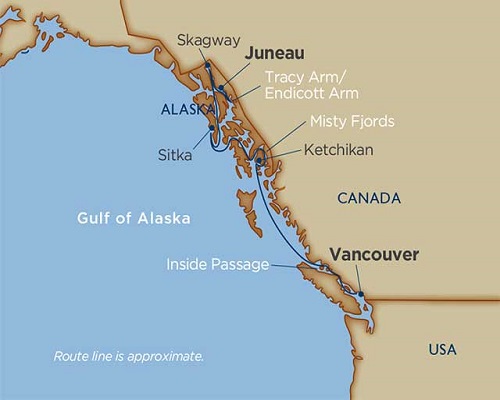
The Queen Charlotte Sound lies between the Queen Charlotte Strait, which winds between Vancouver Island and the British Columbia mainland in the south, and Hecate Strait, which is northward, adjacent to the Haida Gwaii Islands off the Pacific coast of British Columbia. It is a broad reach in the long shipping route called the Inside Passage threading the myriad islands stretching from Washingtons Puget Sound to Alaska.
The Seymour Narrows is a 3-mile/5 km stretch of the Discovery Channel north of Vancouver Island, British Columbia that is notorious for the strength of the tidal currents flowing through it. The average width of the narrows is just 750 meters. During extreme tides, the current through the narrows is subject to severe Venturi effect, resulting in an increased velocity that can reach 15 knots. For much of its modern history, there was an additional hazard in the narrows called Ripple Rock, a shallow obstruction that claimed no fewer than 119 ships and 114 lives. In 1958, after months of tunneling and preparation, Ripple Rock was blown up in the largest commercial, non-nuclear explosion ever recorded in North America. Still, the navigation of Seymour Narrows is dependent on tidal and other conditions, and requires skill and technical accomplishment.
Cruising the Queen Charlotte Sound
The Queen Charlotte Sound lies between the Queen Charlotte Strait, which winds between Vancouver Island and the British Columbia mainland in the south, and Hecate Strait, which is northward, adjacent to the Haida Gwaii Islands off the Pacific coast of British Columbia. It is a broad reach in the long shipping route called the Inside Passage threading the myriad islands stretching from Washingtons Puget Sound to Alaska.
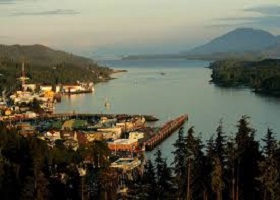
Day Ketchikan, AlaskaArrives 05:00 AM Departs 05:00 PM
"Alaskas First City of Ketchikan is so named because its the first major landfall for most cruisers as they enter the picturesque fjords of the Inside Passage, where the town clings to the banks of the Tongass Narrows, flanked by green forests nurtured by abundant rain. Ketchikan has long been an important hub of the salmon-fishing and -packing industriesvisitors can try their luck on a sportfishing excursion or simply savor the fresh seafood at one of the local restaurants. It is also one of the best spots along the Inside Passage to explore the rich cultural sights of Native Alaskan nations like the Tlingit, Haida and Tsimshian. You can see intricately carved totem poles at the Totem Heritage Center and Totem Bight State Park, while the attractions of Saxman Village just outside of Ketchikan offers the chance to see Tlingit culture in action, with working carvers and a dance show in the clan house. And leave time to explore the sights in the town itself, including historic Creek Street, a boardwalk built over the Ketchikan Creek, where you can shop for souvenirs, smoked salmon and local art, while exploring gold rushera tourist attractions like Dollys House Museum. "
"Alaskas First City of Ketchikan is so named because its the first major landfall for most cruisers as they enter the picturesque fjords of the Inside Passage, where the town clings to the banks of the Tongass Narrows, flanked by green forests nurtured by abundant rain. Ketchikan has long been an important hub of the salmon-fishing and -packing industriesvisitors can try their luck on a sportfishing excursion or simply savor the fresh seafood at one of the local restaurants. It is also one of the best spots along the Inside Passage to explore the rich cultural sights of Native Alaskan nations like the Tlingit, Haida and Tsimshian. You can see intricately carved totem poles at the Totem Heritage Center and Totem Bight State Park, while the attractions of Saxman Village just outside of Ketchikan offers the chance to see Tlingit culture in action, with working carvers and a dance show in the clan house. And leave time to explore the sights in the town itself, including historic Creek Street, a boardwalk built over the Ketchikan Creek, where you can shop for souvenirs, smoked salmon and local art, while exploring gold rushera tourist attractions like Dollys House Museum. "
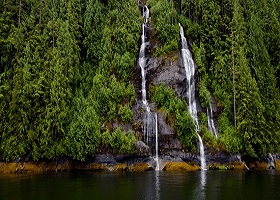
Day Misty Fiords, USArrives 10:00 AM Departs 05:00 PM
Sculpted by glaciers over millions of years, Misty Fjords u-shaped canals wind through steep canyons of granite, shrouded in western hemlock, Sitka spruce and western red cedar. Misty Fjords is a part of Tongass National Forest and home to grizzlies, salmon, whales, mountain goats and deer.
Sculpted by glaciers over millions of years, Misty Fjords u-shaped canals wind through steep canyons of granite, shrouded in western hemlock, Sitka spruce and western red cedar. Misty Fjords is a part of Tongass National Forest and home to grizzlies, salmon, whales, mountain goats and deer.
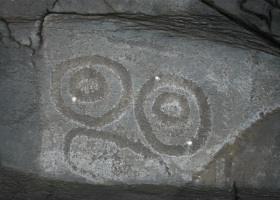
Day Wrangell, AlaskaArrives 10:00 PM Departs 05:00 PM
One of the oldest towns in Alaska, Wrangell is located near the mouth of the Stikine River. Much of its history can be seen in the impressive collection of totems scattered throughout the town. Highlights here are the amazing Petroglyph Beach State Historic Park where you can find primitive rock carvings and just 30 miles away is the Anan Wildlife Observatory with the largest pink salmon runs in the Inside Passage, and a platform from which you can look for eagles, harbor seals and black bears.
One of the oldest towns in Alaska, Wrangell is located near the mouth of the Stikine River. Much of its history can be seen in the impressive collection of totems scattered throughout the town. Highlights here are the amazing Petroglyph Beach State Historic Park where you can find primitive rock carvings and just 30 miles away is the Anan Wildlife Observatory with the largest pink salmon runs in the Inside Passage, and a platform from which you can look for eagles, harbor seals and black bears.
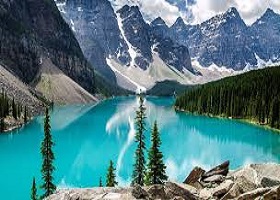
Day Tracy ArmArrives 09:00 AM Departs 06:00 PM
Steep cliffs and glacier-covered mountains flank this fjord, fringed by the largest intact coastal temperate rain forest in the United States. Old-growth trees colonized Tracy Arms mouth long ago as the Ice Age retreated. But further up the sinuous 48-kilometer (30-mile) waterway, its icy grip lingers a little. There, the twin Sawyer Glaciers flow from the peaks down to the sea, sloughing off stories-high chunks of water frozen decades or even centuries before. Even more glorious than nearby Glacier Bay, Tracy Arm is part of the 5.7 million acres (or around 23,000 square kilometers) of pure wilderness sheltered by the Tongass National Forest (Americas biggest). Visitors often see bears, whales and mountain goats roaming across various corners of this pristine areanot to mention chubby baby seals resting on the ice floes. Summer temperatures average 35 to 60 degrees Fahrenheit (0 to 16 degrees Celsius), so pack warm clothing. And dont forget waterproof gear, even when traveling by cruise ship: More than a meter and a half of rain falls here each year! We also recommend a water bottle, thermos or reusable coffee cup: On scenic cruising days, cruise ships ban paper and disposable plastic products that could litter this unsullied environment.
Steep cliffs and glacier-covered mountains flank this fjord, fringed by the largest intact coastal temperate rain forest in the United States. Old-growth trees colonized Tracy Arms mouth long ago as the Ice Age retreated. But further up the sinuous 48-kilometer (30-mile) waterway, its icy grip lingers a little. There, the twin Sawyer Glaciers flow from the peaks down to the sea, sloughing off stories-high chunks of water frozen decades or even centuries before. Even more glorious than nearby Glacier Bay, Tracy Arm is part of the 5.7 million acres (or around 23,000 square kilometers) of pure wilderness sheltered by the Tongass National Forest (Americas biggest). Visitors often see bears, whales and mountain goats roaming across various corners of this pristine areanot to mention chubby baby seals resting on the ice floes. Summer temperatures average 35 to 60 degrees Fahrenheit (0 to 16 degrees Celsius), so pack warm clothing. And dont forget waterproof gear, even when traveling by cruise ship: More than a meter and a half of rain falls here each year! We also recommend a water bottle, thermos or reusable coffee cup: On scenic cruising days, cruise ships ban paper and disposable plastic products that could litter this unsullied environment.
Day Haines (skagway), Alaska, UsArrives 07:00 PM Departs 01:10 PM
Take an Alaska cruise to Haines and youâll soon discover why itâs considered the adventure capital of the state. Itâs as if time has stopped in Haines. Youâll notice a distinct lack of chain stores and even stoplights, and the taverns and shops have that rustic frontier feel. Despite its chill vibe, there are plenty of things to do in Haines, Alaska. This town of only 1,300 topped Outside magazineâs list of 20 Best Places to Live and Play, and for good reason. Itâs a hotspot for rafting and hiking, salmon-, halibut- and trout-fishing in the Chilkat River or kayaking on Chilkoot Lakeâas well as heli-skiing in the winter. A bald eagle festival takes place every November, when thousands of eagles soar into the area to feast on salmon. With numerous galleries and a museum dedicated to the hammer, an Alaska cruise to Haines has much to offer art enthusiasts and quirky travelers.
Take an Alaska cruise to Haines and youâll soon discover why itâs considered the adventure capital of the state. Itâs as if time has stopped in Haines. Youâll notice a distinct lack of chain stores and even stoplights, and the taverns and shops have that rustic frontier feel. Despite its chill vibe, there are plenty of things to do in Haines, Alaska. This town of only 1,300 topped Outside magazineâs list of 20 Best Places to Live and Play, and for good reason. Itâs a hotspot for rafting and hiking, salmon-, halibut- and trout-fishing in the Chilkat River or kayaking on Chilkoot Lakeâas well as heli-skiing in the winter. A bald eagle festival takes place every November, when thousands of eagles soar into the area to feast on salmon. With numerous galleries and a museum dedicated to the hammer, an Alaska cruise to Haines has much to offer art enthusiasts and quirky travelers.
,Alaska,Us.webp "Haines (skagway), Alaska, Us")
Day Juneau, Alaska / Tracy Arm
"Juneau, Alaska may well be the most remote, most beautiful and strangest state capital in the United States. Surrounded by water, forest and mountain sights, visitors seeking things to do in Juneau indoors and outdoors can hike a glacier, eat fresh-caught fish on a seaside patio and tour a grand capitol building all in one day. The city itself is pleasant, but the real highlight of a visit to Juneau is tracking down some wildlife. You can hike up Mount Roberts to chance upon wild deer and bald eagles. Most sightseeing and whale-watching tours head north to Auke Bay's bring a good pair of binoculars to get the best view of these majestic and surprisingly graceful creatures. If you prefer land mammals, catch a floatplane to a nearby wildlife reserve such as Chichagof or Admiralty Island to spy some bears lolling around. The sleepy, misty city of around 32,000 mostly fishermen and small-business owners has a frontier town vibe, but welcomes more than a million visitors each summer to its natural attractions, cementing Juneau as Alaska's number-one tourist destination. "
Tracy Arm
Steep cliffs and glacier-covered mountains flank this fjord, fringed by the largest intact coastal temperate rain forest in the United States. Old-growth trees colonized Tracy Arm's mouth long ago as the Ice Age retreated. But further up the sinuous 48-kilometer (30-mile) waterway, its icy grip lingers a little. There, the twin Sawyer Glaciers flow from the peaks down to the sea, sloughing off stories-high chunks of water frozen decades or even centuries before. Even more glorious than nearby Glacier Bay, Tracy Arm is part of the 5.7 million acres (or around 23,000 square kilometers) of pure wilderness sheltered by the Tongass National Forest (America's biggest). Visitors often see bears, whales and mountain goats roaming across various corners of this pristine area's not to mention chubby baby seals resting on the ice floes. Summer temperatures average 35 to 60 degrees Fahrenheit (0 to 16 degrees Celsius), so pack warm clothing. And don't forget waterproof gear, even when traveling by cruise ship: More than a meter and a half of rain falls here each year! We also recommend a water bottle, thermos or reusable coffee cup: On scenic cruising days, cruise ships ban paper and disposable plastic products that could litter this unsullied environment.
"Juneau, Alaska may well be the most remote, most beautiful and strangest state capital in the United States. Surrounded by water, forest and mountain sights, visitors seeking things to do in Juneau indoors and outdoors can hike a glacier, eat fresh-caught fish on a seaside patio and tour a grand capitol building all in one day. The city itself is pleasant, but the real highlight of a visit to Juneau is tracking down some wildlife. You can hike up Mount Roberts to chance upon wild deer and bald eagles. Most sightseeing and whale-watching tours head north to Auke Bay's bring a good pair of binoculars to get the best view of these majestic and surprisingly graceful creatures. If you prefer land mammals, catch a floatplane to a nearby wildlife reserve such as Chichagof or Admiralty Island to spy some bears lolling around. The sleepy, misty city of around 32,000 mostly fishermen and small-business owners has a frontier town vibe, but welcomes more than a million visitors each summer to its natural attractions, cementing Juneau as Alaska's number-one tourist destination. "
Tracy Arm
Steep cliffs and glacier-covered mountains flank this fjord, fringed by the largest intact coastal temperate rain forest in the United States. Old-growth trees colonized Tracy Arm's mouth long ago as the Ice Age retreated. But further up the sinuous 48-kilometer (30-mile) waterway, its icy grip lingers a little. There, the twin Sawyer Glaciers flow from the peaks down to the sea, sloughing off stories-high chunks of water frozen decades or even centuries before. Even more glorious than nearby Glacier Bay, Tracy Arm is part of the 5.7 million acres (or around 23,000 square kilometers) of pure wilderness sheltered by the Tongass National Forest (America's biggest). Visitors often see bears, whales and mountain goats roaming across various corners of this pristine area's not to mention chubby baby seals resting on the ice floes. Summer temperatures average 35 to 60 degrees Fahrenheit (0 to 16 degrees Celsius), so pack warm clothing. And don't forget waterproof gear, even when traveling by cruise ship: More than a meter and a half of rain falls here each year! We also recommend a water bottle, thermos or reusable coffee cup: On scenic cruising days, cruise ships ban paper and disposable plastic products that could litter this unsullied environment.
Day Juneau, Alaska / Tracy ArmArrives 08:00 AM
"Juneau, Alaska may well be the most remote, most beautiful and strangest state capital in the United States. Surrounded by water, forest and mountain sights, visitors seeking things to do in Juneau indoors and outdoors can hike a glacier, eat fresh-caught fish on a seaside patio and tour a grand capitol building all in one day. The city itself is pleasant, but the real highlight of a visit to Juneau is tracking down some wildlife. You can hike up Mount Roberts to chance upon wild deer and bald eagles. Most sightseeing and whale-watching tours head north to Auke Bay's bring a good pair of binoculars to get the best view of these majestic and surprisingly graceful creatures. If you prefer land mammals, catch a floatplane to a nearby wildlife reserve such as Chichagof or Admiralty Island to spy some bears lolling around. The sleepy, misty city of around 32,000 mostly fishermen and small-business owners has a frontier town vibe, but welcomes more than a million visitors each summer to its natural attractions, cementing Juneau as Alaska's number-one tourist destination. "
Tracy Arm
Steep cliffs and glacier-covered mountains flank this fjord, fringed by the largest intact coastal temperate rain forest in the United States. Old-growth trees colonized Tracy Arm's mouth long ago as the Ice Age retreated. But further up the sinuous 48-kilometer (30-mile) waterway, its icy grip lingers a little. There, the twin Sawyer Glaciers flow from the peaks down to the sea, sloughing off stories-high chunks of water frozen decades or even centuries before. Even more glorious than nearby Glacier Bay, Tracy Arm is part of the 5.7 million acres (or around 23,000 square kilometers) of pure wilderness sheltered by the Tongass National Forest (America's biggest). Visitors often see bears, whales and mountain goats roaming across various corners of this pristine area's not to mention chubby baby seals resting on the ice floes. Summer temperatures average 35 to 60 degrees Fahrenheit (0 to 16 degrees Celsius), so pack warm clothing. And don't forget waterproof gear, even when traveling by cruise ship: More than a meter and a half of rain falls here each year! We also recommend a water bottle, thermos or reusable coffee cup: On scenic cruising days, cruise ships ban paper and disposable plastic products that could litter this unsullied environment.
"Juneau, Alaska may well be the most remote, most beautiful and strangest state capital in the United States. Surrounded by water, forest and mountain sights, visitors seeking things to do in Juneau indoors and outdoors can hike a glacier, eat fresh-caught fish on a seaside patio and tour a grand capitol building all in one day. The city itself is pleasant, but the real highlight of a visit to Juneau is tracking down some wildlife. You can hike up Mount Roberts to chance upon wild deer and bald eagles. Most sightseeing and whale-watching tours head north to Auke Bay's bring a good pair of binoculars to get the best view of these majestic and surprisingly graceful creatures. If you prefer land mammals, catch a floatplane to a nearby wildlife reserve such as Chichagof or Admiralty Island to spy some bears lolling around. The sleepy, misty city of around 32,000 mostly fishermen and small-business owners has a frontier town vibe, but welcomes more than a million visitors each summer to its natural attractions, cementing Juneau as Alaska's number-one tourist destination. "
Tracy Arm
Steep cliffs and glacier-covered mountains flank this fjord, fringed by the largest intact coastal temperate rain forest in the United States. Old-growth trees colonized Tracy Arm's mouth long ago as the Ice Age retreated. But further up the sinuous 48-kilometer (30-mile) waterway, its icy grip lingers a little. There, the twin Sawyer Glaciers flow from the peaks down to the sea, sloughing off stories-high chunks of water frozen decades or even centuries before. Even more glorious than nearby Glacier Bay, Tracy Arm is part of the 5.7 million acres (or around 23,000 square kilometers) of pure wilderness sheltered by the Tongass National Forest (America's biggest). Visitors often see bears, whales and mountain goats roaming across various corners of this pristine area's not to mention chubby baby seals resting on the ice floes. Summer temperatures average 35 to 60 degrees Fahrenheit (0 to 16 degrees Celsius), so pack warm clothing. And don't forget waterproof gear, even when traveling by cruise ship: More than a meter and a half of rain falls here each year! We also recommend a water bottle, thermos or reusable coffee cup: On scenic cruising days, cruise ships ban paper and disposable plastic products that could litter this unsullied environment.

We Accept: 
Secured By: 
Copyright © STIC GSA Services Pvt. Ltd. All rights reserved