
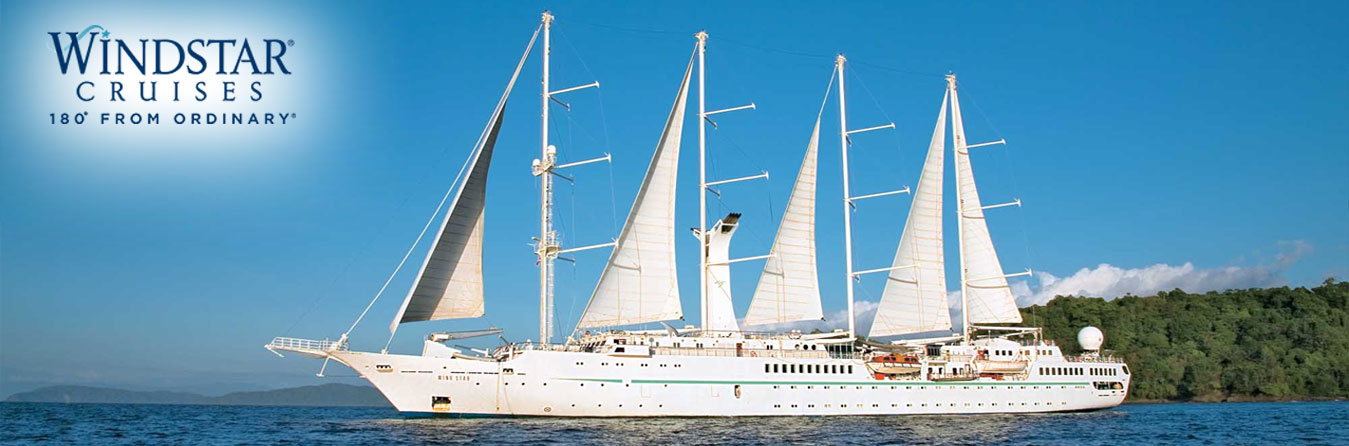
10 Days - Grand Japan [Kobe to Tokyo]
![10 Days - Grand Japan [Kobe to Tokyo]](/images/packages/extraimages/3031_10Days-Grand-Japan17102021.jpg "10 Days - Grand Japan [Kobe to Tokyo]")
Itinerary
Day Kobe, JapanDeparts 06:00 PM
One of the greatest things about Japan is its attention to detail. Nothing is too small for consideration. Nailheads on temple walkways are hidden by inlaid metal covers. If the train schedule says the train arrives at 11:05, it will not be there at 11:04; and if itâs more than 10 minutes late, you can get the rail line to give you an excuse form to present back at the office, explaining your tardiness. Shops sell combs and hairpins made with the same patterns and in the same way as 500 years ago.
So maybe this attention to detail explains what happened in 20th-century Kobe. Some farmer was looking at his cow, thinking, âWhat possibilities of perfection am I missing?â Cows were still a new thing; they were banned as food almost until WWII, so cow rules were in flux when this farmer began massaging his herd with sake. The cows got pleasantly drunk on local beer and listened to classical musicâand in return for the pampering, they produced, and continue to produce, heavily marbled, melt-in-the-mouth cuts of meat that can easily sell for a hundred bucks a dish. Like everything else in town, Kobe beef is all in the details.
Among the Japanese, Kobe is considered exotic: âIf you canât go to Paris, go to Kobe.â And it does make a nice break from Osakaâs relentless pace. Order a steak, find a window booth and watch the details.
One of the greatest things about Japan is its attention to detail. Nothing is too small for consideration. Nailheads on temple walkways are hidden by inlaid metal covers. If the train schedule says the train arrives at 11:05, it will not be there at 11:04; and if itâs more than 10 minutes late, you can get the rail line to give you an excuse form to present back at the office, explaining your tardiness. Shops sell combs and hairpins made with the same patterns and in the same way as 500 years ago.
So maybe this attention to detail explains what happened in 20th-century Kobe. Some farmer was looking at his cow, thinking, âWhat possibilities of perfection am I missing?â Cows were still a new thing; they were banned as food almost until WWII, so cow rules were in flux when this farmer began massaging his herd with sake. The cows got pleasantly drunk on local beer and listened to classical musicâand in return for the pampering, they produced, and continue to produce, heavily marbled, melt-in-the-mouth cuts of meat that can easily sell for a hundred bucks a dish. Like everything else in town, Kobe beef is all in the details.
Among the Japanese, Kobe is considered exotic: âIf you canât go to Paris, go to Kobe.â And it does make a nice break from Osakaâs relentless pace. Order a steak, find a window booth and watch the details.

Day Takamatsu, JapanArrives 07:00 AM Departs 06:00 PM
Takamatsu is located on Shikoku, the smallest of Japans four main islands, in the Kagawa Prefecture on the Seto Inland Sea. During the Edo period, it was famous for its seaside castle, one of the few with a moat utilizing seawater. The castle was destroyed during the Meiji period, and today the so-called Sunport waterfront project has substituted the Symbol Tower, Takamatsus tallest building, for the castle tower that once graced its flag. Long an important port for Japan, Takamatsu was nearly destroyed in 1945 by Allied incendiary bombing. A portion of the famous castle, including foundations and part of the wall, still strand on the city-center park, and there are plans to reconstruct more of it. The Ritsurin Koen garden, first built in the Edo period, survives, and makes a welcome oasis in the city, with a folk museum, rest houses and a tranquil tearoom among lakes, hills and groves of cherry trees that bloom in the spring and flame into color in the autumn. The Shikoku Mura is an open-air museum with traditional buildings gathered from all over Shikoku on display. The Yashima area boasts an Isamu Noguchi Museum dedicated to the late designer, artist and sculptor, with several traditional buildings he relocated and used as work spaces and galleries, along with many finished and unfinished sculptures. There is also a lovely Yashima Temple halfway up the mountain, and at the top, an observation deck with breathtaking views of the city and port.
Takamatsu is located on Shikoku, the smallest of Japans four main islands, in the Kagawa Prefecture on the Seto Inland Sea. During the Edo period, it was famous for its seaside castle, one of the few with a moat utilizing seawater. The castle was destroyed during the Meiji period, and today the so-called Sunport waterfront project has substituted the Symbol Tower, Takamatsus tallest building, for the castle tower that once graced its flag. Long an important port for Japan, Takamatsu was nearly destroyed in 1945 by Allied incendiary bombing. A portion of the famous castle, including foundations and part of the wall, still strand on the city-center park, and there are plans to reconstruct more of it. The Ritsurin Koen garden, first built in the Edo period, survives, and makes a welcome oasis in the city, with a folk museum, rest houses and a tranquil tearoom among lakes, hills and groves of cherry trees that bloom in the spring and flame into color in the autumn. The Shikoku Mura is an open-air museum with traditional buildings gathered from all over Shikoku on display. The Yashima area boasts an Isamu Noguchi Museum dedicated to the late designer, artist and sculptor, with several traditional buildings he relocated and used as work spaces and galleries, along with many finished and unfinished sculptures. There is also a lovely Yashima Temple halfway up the mountain, and at the top, an observation deck with breathtaking views of the city and port.

Day Hiroshima, JapanArrives 08:00 AM Departs 05:00 PM
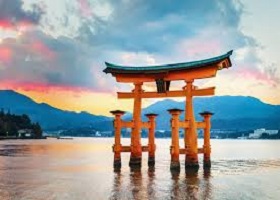
Located in the southwest of Japan, Hiroshima, the main city of the Chugoku region, is set within a striking natural landscape of mountains, sea and rivers. Home to more than one million inhabitants, itâs famous as the site of the explosion of the worldâs first atomic bomb, dropped by the U.S. in August 1945. This cataclysm is sensitively documented at the Hiroshima Peace Memorial Park and associated Hiroshima Peace Memorial Museum. The city offers visitors a great deal more than the tragedy of the recent past. In addition to the memorials to the events of World War II, there are an array of shrines and temples, as well as the cityâs reconstructed castle, which was originally founded in the 16th century.Nature lovers will be charmed by the historic Shukkei-en Garden, commissioned in 1620, and Miyajima island, one of the most scenic spots in Japan. The city is home to a number of art institutions, including the Hiroshima Museum of Art, which houses a collection of Impressionist and Japanese oil paintings, the Hiroshima City Museum of Contemporary Art and the quirky Mazda Museum. There is also an array of excellent restaurants and barsâthe city is known for its okonomiyaki, a type of savory pancakeâas well as a popular oyster festival each year.
Located in the southwest of Japan, Hiroshima, the main city of the Chugoku region, is set within a striking natural landscape of mountains, sea and rivers. Home to more than one million inhabitants, itâs famous as the site of the explosion of the worldâs first atomic bomb, dropped by the U.S. in August 1945. This cataclysm is sensitively documented at the Hiroshima Peace Memorial Park and associated Hiroshima Peace Memorial Museum. The city offers visitors a great deal more than the tragedy of the recent past. In addition to the memorials to the events of World War II, there are an array of shrines and temples, as well as the cityâs reconstructed castle, which was originally founded in the 16th century.Nature lovers will be charmed by the historic Shukkei-en Garden, commissioned in 1620, and Miyajima island, one of the most scenic spots in Japan. The city is home to a number of art institutions, including the Hiroshima Museum of Art, which houses a collection of Impressionist and Japanese oil paintings, the Hiroshima City Museum of Contemporary Art and the quirky Mazda Museum. There is also an array of excellent restaurants and barsâthe city is known for its okonomiyaki, a type of savory pancakeâas well as a popular oyster festival each year.
Day Karatsu, JapanArrives 11:00 AM Departs 06:00 PM
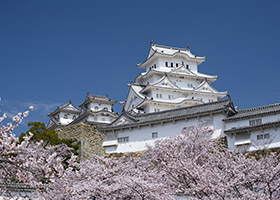
Located on the island of Kyushu, Karatsu is one of the closest Japanese cities to the Korean Peninsula. Karatsu Castle is the main attraction here. Built in 1608, it houses a museum of the castles history and Karatsu ceramics. Karatsu is also known for its pottery which can be viewed at the Karatsu-yaki Pottery Gallery. Also worth visiting is the Karatsu Hikiyama Exhibition Hall which displays the 14 floats used in the annual Karatsu Kunchi Festival in November.
Located on the island of Kyushu, Karatsu is one of the closest Japanese cities to the Korean Peninsula. Karatsu Castle is the main attraction here. Built in 1608, it houses a museum of the castles history and Karatsu ceramics. Karatsu is also known for its pottery which can be viewed at the Karatsu-yaki Pottery Gallery. Also worth visiting is the Karatsu Hikiyama Exhibition Hall which displays the 14 floats used in the annual Karatsu Kunchi Festival in November.
Day Busan, South KoreaArrives 07:00 AM Departs 04:00 PM
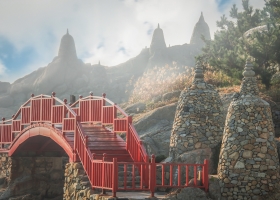
The second largest city in South Korea is a popular leisure destination due to the nearby hot springs. It is home to many famous beaches that lure visitors from around the world and the UNESCO site of Gyeongju an outdoor museum that was once the capital of the Silla Kingdom and holds many architectural points of interest including ornate temples. Also of interest is South Koreaâs largest temple, Tongdosa Temple, renowned for having no outdoor statues.
The second largest city in South Korea is a popular leisure destination due to the nearby hot springs. It is home to many famous beaches that lure visitors from around the world and the UNESCO site of Gyeongju an outdoor museum that was once the capital of the Silla Kingdom and holds many architectural points of interest including ornate temples. Also of interest is South Koreaâs largest temple, Tongdosa Temple, renowned for having no outdoor statues.
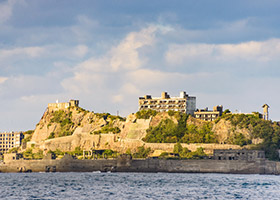
Day Scenic Cruising: Hashima Island / Nagasaki, JapanArrives 06:00 AM Departs 07:30 AM / Arrives 10:00 AM Departs 07:00 PM
Cruise around the island of Hashima, abandoned over 50 years ago when the coal mining that flourished there suddenly ran out. The mining company shut the mine down and the island has been a ghost town ever since. (Visibility depends on weather conditions.)
Nagasaki, Japan
Notable for the nuclear attack it suffered during WWII, Nagasaki has memorialized the event at the cityâs Atomic Bomb Museum and Peace Memorial Park. The museum tells the story of the events leading up to the bombing and the park, located at the center of the bomb blast, houses a beautiful 30-foot tall fountain symbolizing peace. Other highlights to see are the Glover Gardens and Dejima Museum, which was originally an artificial island.
Cruise around the island of Hashima, abandoned over 50 years ago when the coal mining that flourished there suddenly ran out. The mining company shut the mine down and the island has been a ghost town ever since. (Visibility depends on weather conditions.)
Nagasaki, Japan
Notable for the nuclear attack it suffered during WWII, Nagasaki has memorialized the event at the cityâs Atomic Bomb Museum and Peace Memorial Park. The museum tells the story of the events leading up to the bombing and the park, located at the center of the bomb blast, houses a beautiful 30-foot tall fountain symbolizing peace. Other highlights to see are the Glover Gardens and Dejima Museum, which was originally an artificial island.
Day Kagoshima, JapanArrives 09:00 AM Departs 06:00 PM
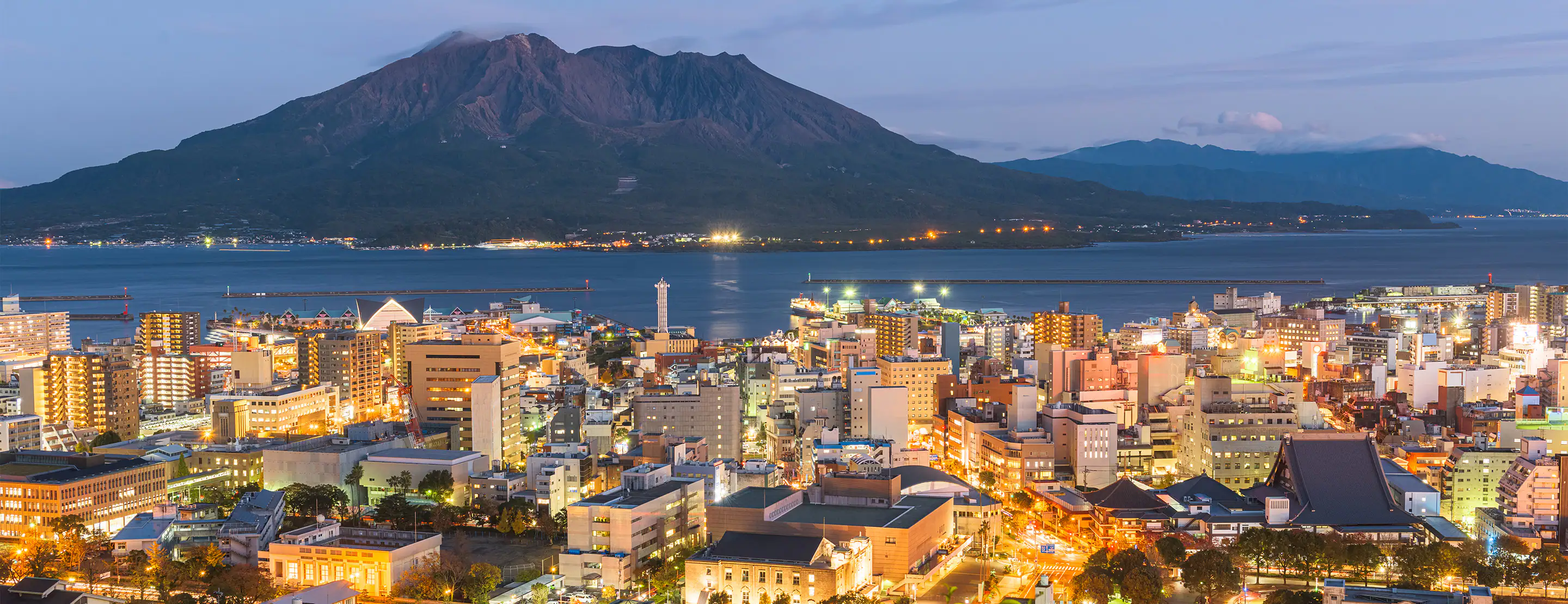
Situated at the southern tip of Japan, Kagoshima is the capital of the prefecture of the same name and famous for its dramatic views of Sakurajima, an active volcano that smolders across the bay. One of the most popular activities is taking a ferry to Sakurajima and hiking on the 100-year-old lava flow that is now a grassy peninsula. Kagoshima, however, offers much more than the volcanoâs almost overwhelming beauty. The food scene provides opportunities to experience the areaâs rich culinary culture and features dishes using locally caught fish and regional specialties, like satsuma a'ge (deep-fried fish cake) and shÅchÅ«, a traditional beverage made at more than 100 distilleries in Kagoshima alone. Although the city was officially founded in 1889, it has an even longer history that is reflected in the 17th-century gardens of Sengan-en. More recent events are covered at a museum dedicated to the kamikaze pilots who flew out of Kagoshima. Other popular attractions include the City Aquarium, the Museum of the Meiji Restoration with its exhibits exploring local history and the City Museum of Art with its collection that covers both local contemporary and older art. With so much to do, visitors may want to consider the Cute transit card. Available at tourist information offices, one-day Cute cards cover city buses, trams and Sakurajima ferries and also provide discounted admission to several attractions.
Situated at the southern tip of Japan, Kagoshima is the capital of the prefecture of the same name and famous for its dramatic views of Sakurajima, an active volcano that smolders across the bay. One of the most popular activities is taking a ferry to Sakurajima and hiking on the 100-year-old lava flow that is now a grassy peninsula. Kagoshima, however, offers much more than the volcanoâs almost overwhelming beauty. The food scene provides opportunities to experience the areaâs rich culinary culture and features dishes using locally caught fish and regional specialties, like satsuma a'ge (deep-fried fish cake) and shÅchÅ«, a traditional beverage made at more than 100 distilleries in Kagoshima alone. Although the city was officially founded in 1889, it has an even longer history that is reflected in the 17th-century gardens of Sengan-en. More recent events are covered at a museum dedicated to the kamikaze pilots who flew out of Kagoshima. Other popular attractions include the City Aquarium, the Museum of the Meiji Restoration with its exhibits exploring local history and the City Museum of Art with its collection that covers both local contemporary and older art. With so much to do, visitors may want to consider the Cute transit card. Available at tourist information offices, one-day Cute cards cover city buses, trams and Sakurajima ferries and also provide discounted admission to several attractions.
Day At Sea
Days at Sea
Days at Sea
Day Shingu, JapanArrives 07:00 AM Departs 05:00 PM
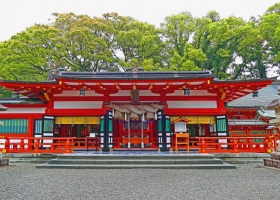
For over 1,000 years pilgrims have traveled to the Kumano Region to pray at the three Sacred Kumano Shrines. In Shingu you can see the Hayatama Shrine and the Kamikura Shrine. Both of these shrines are part of the UNESCO World Heritage Site known as Sacred Sites of Pilgrimage Routes in the Kii Mountain Range. The Kamikura Shrine sits on Mount Kamikurayama and requires climbing 538 steps to reach it.
For over 1,000 years pilgrims have traveled to the Kumano Region to pray at the three Sacred Kumano Shrines. In Shingu you can see the Hayatama Shrine and the Kamikura Shrine. Both of these shrines are part of the UNESCO World Heritage Site known as Sacred Sites of Pilgrimage Routes in the Kii Mountain Range. The Kamikura Shrine sits on Mount Kamikurayama and requires climbing 538 steps to reach it.
Day Shimizu, JapanArrives 08:00 AM Departs 06:00 PM
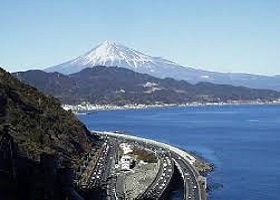
Widely regarded as one of Japanâs most beautiful ports, Shimizu affords peerless views of Mount Fuji on a clear day and claims the scenic Miho-no-Matsubara pine forest as a backdrop (both are UNESCO World Heritage sites). The portâs temperate climate and rich cultureâheavily connected to the surrounding Shizuoka regionâhave made it one of the countryâs prime sightseeing destinations. A few of the main attractions include Kunozan Toshogu Shrine, designated a National Treasure by the Japanese government, Sumpu Castle (built in 1586) and Shizuoka Sengen Shrine, where warlord Tokugawa Ieyasu, who ushered in the Edo period, held his coming-of-age ceremony. Tokugawa shoguns ruled Japan for 250 years, until 1867. The broader region offers plenty in the way of picturesque coastal landscapes, tea plantations and a wealth of Buddhist temples and Shinto shrines, while the port itselfâfamed in the 1900s for its tea exportsâis today best known for its prodigious tuna haul, the biggest in Japan, samples of which can be enjoyed in many of the portâs fantastic restaurants along with other local delicacies such as sakura shrimp and shirasu (whitebait).
Widely regarded as one of Japanâs most beautiful ports, Shimizu affords peerless views of Mount Fuji on a clear day and claims the scenic Miho-no-Matsubara pine forest as a backdrop (both are UNESCO World Heritage sites). The portâs temperate climate and rich cultureâheavily connected to the surrounding Shizuoka regionâhave made it one of the countryâs prime sightseeing destinations. A few of the main attractions include Kunozan Toshogu Shrine, designated a National Treasure by the Japanese government, Sumpu Castle (built in 1586) and Shizuoka Sengen Shrine, where warlord Tokugawa Ieyasu, who ushered in the Edo period, held his coming-of-age ceremony. Tokugawa shoguns ruled Japan for 250 years, until 1867. The broader region offers plenty in the way of picturesque coastal landscapes, tea plantations and a wealth of Buddhist temples and Shinto shrines, while the port itselfâfamed in the 1900s for its tea exportsâis today best known for its prodigious tuna haul, the biggest in Japan, samples of which can be enjoyed in many of the portâs fantastic restaurants along with other local delicacies such as sakura shrimp and shirasu (whitebait).
Day Tokyo, JapanArrives 08:00 AM
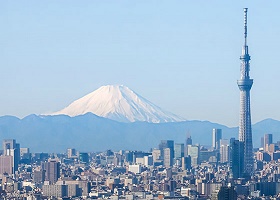
Tokyo is the largest city on earth and packed with some of the worldâs best shops, museums and restaurants, big and small. While the bright neon lights and the bustle of contemporary Tokyo may be what comes to mind when you think of the city, there is another side.
Tokyo is the largest city on earth and packed with some of the worldâs best shops, museums and restaurants, big and small. While the bright neon lights and the bustle of contemporary Tokyo may be what comes to mind when you think of the city, there is another side.

We Accept: 
Secured By: 
Copyright © STIC GSA Services Pvt. Ltd. All rights reserved