

10 Days - Grand Japan [Tokyo to Osaka]
![10 Days - Grand Japan [Tokyo to Osaka]](/images/packages/busan-south-korea.jpg "10 Days - Grand Japan [Tokyo to Osaka]")
Cruise Line: Windstar Cruise
Ship: Star Seeker
Sailing Date: Oct 26 2026 To Apr 26 2028
Route: Tokyo to Osaka
Duration: 10 Nights
![10 Days - Grand Japan [Tokyo to Osaka]](/images/packages/extraimages/6308_10-Days-Grand-Japan-06052023.jpg "10 Days - Grand Japan [Tokyo to Osaka]")
10 Days - Grand Japan [Osaka to Yokohama (Tokyo)]
![10 Days - Grand Japan [Osaka to Yokohama (Tokyo)]](/images/packages/Kyoto-Japan.jpg "10 Days - Grand Japan [Osaka to Yokohama (Tokyo)]")
Cruise Line: Windstar Cruise
Ship: Star Seeker
Sailing Date: Oct 16 2026 To May 06 2028
Route: Osaka to Yokohama (Tokyo)
Duration: 10 Nights
![10 Days - Grand Japan [Osaka to Yokohama (Tokyo)]](/images/packages/extraimages/2857_10Days-Grand-Japan20102023.jpg "10 Days - Grand Japan [Osaka to Yokohama (Tokyo)]")
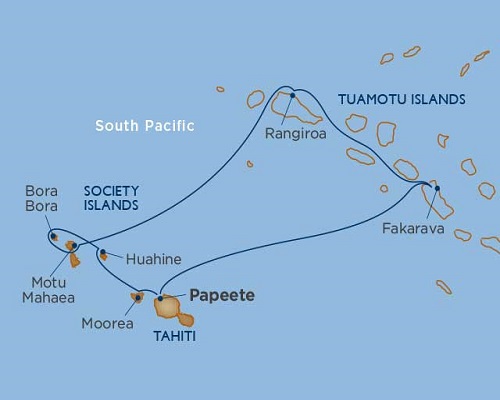
14 Days - Tahiti & the Tuamotu Islands Air + Hotel Package from LAX
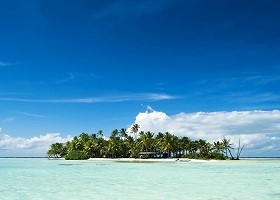
Cruise Line: Windstar Cruise
Ship: Star Breeze | Wind Star
Sailing Date: Nov 21 2026 To Dec 16 2028
Route: Papeete to Papeete
Duration: 13 Nights
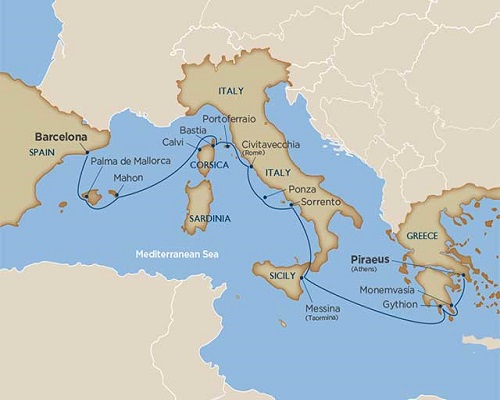
14 Days - Star Collector: Ancient to Avant-Garde Mediterranean
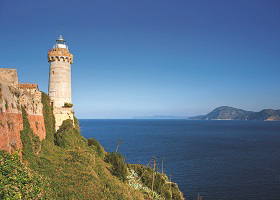
Cruise Line: Windstar Cruise
Ship: Wind Star
Sailing Date: Oct 17 2026
Route: Athens to Barcelona
Duration: 14 Nights
Central America Jewels & Panama Canal
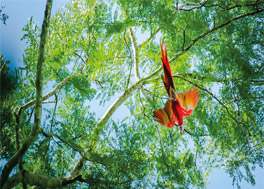
Cruise Line: Ponant Cruise
Ship: Le-Laperouse | Le-Bellot
Sailing Date: Nov 07 2026 To Dec 27 2027
Route: Colon - Puntarenas
Duration: 7 Nights
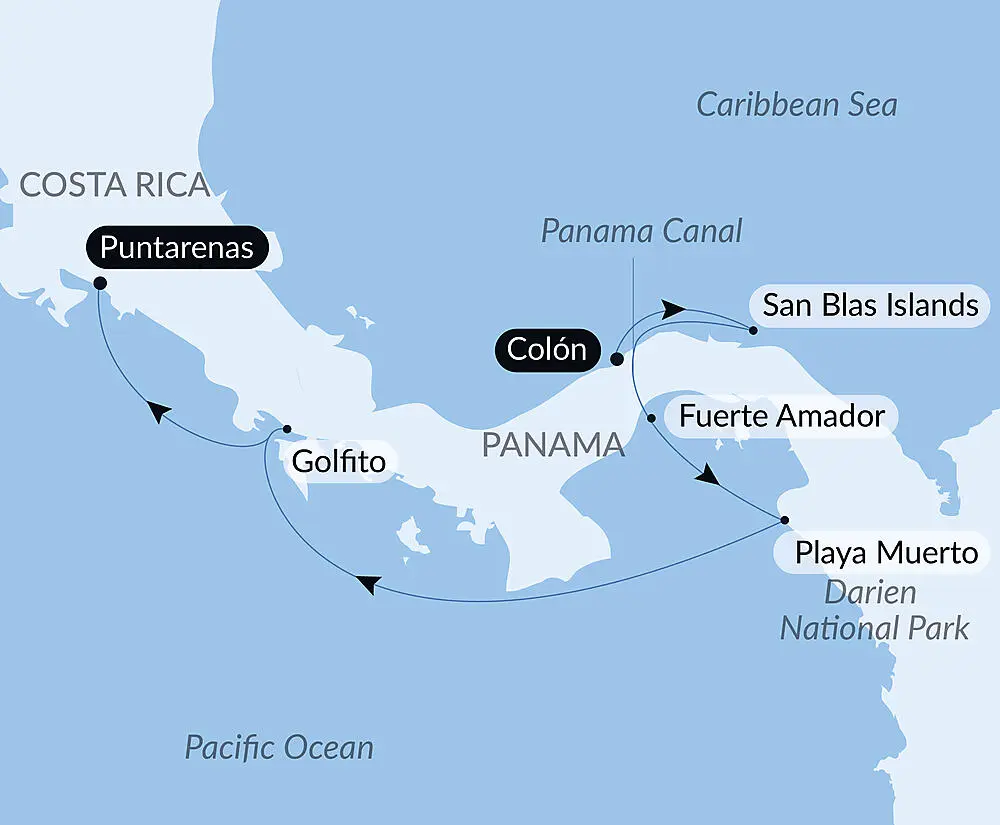
Central America Jewels & Panama Canal
Ports of Call & Excursions
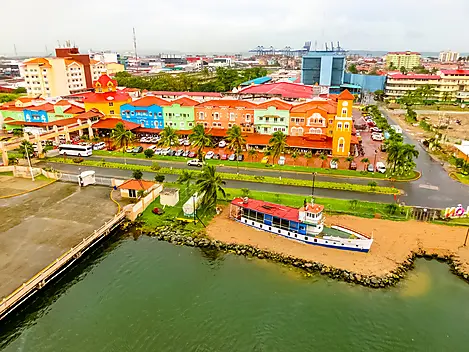
Day 1 - Colon
Colón is the second largest city in Panama, at the Caribbean entrance of the Panama Canal. Colón is today an important port, and the free trade zone created in 1953 contributed greatly to the development of the city. Colón was founded in 1850 by Americans working on the Panama railroad connecting the Atlantic and Pacific coasts through the isthmus of Panama; the city rapidly overshadowed the older Caribbean ports of Panama when the canal opened.
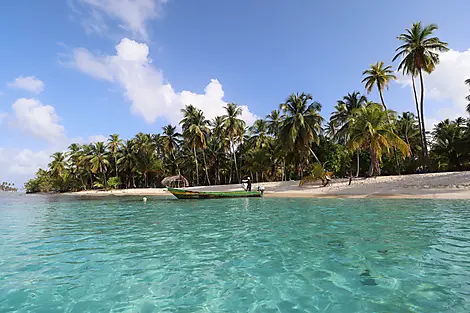
Day 2 - San Blas Islands
Located on the north-east coast of Panama, the San Blas archipelago is a string of coral islands in the heart of the Caribbean Sea. More than 300 islands and cays cover an area of 300 square kilometres offering travellers a multitude of treasures. Sheltered behind a long coral reef, the San Blas Islands are full of enchanting anchorages. The long sandy white beaches bound by crystal-clear waters will allow you to relax and enjoy incredible marine fauna before engaging with the Kunas Indian community. Still subsisting on hunting and fishing, they will welcome you in their villages of bamboo houses gathered near the beaches.
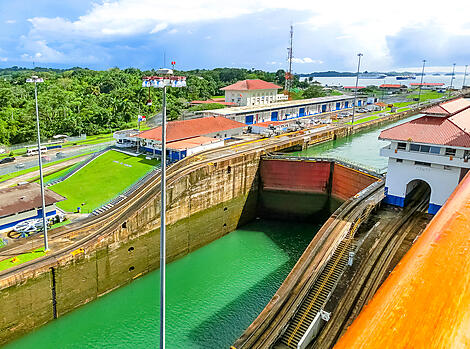
Day 3 - Crossing the Panama Canal
Aboard your ship, experience something unique, that has inspired the imagination of numerous adventurers in the 20th century: sailing the Panama Canal. Its construction started in 1880 under the direction of Ferdinand de Lesseps. Abandoned then resumed, this marvel of engineering was completed by the United States and opened in 1914. The canal crosses the Isthmus of Panama and links the Atlantic to the Pacific. Including three levels of locks and by raising ships to the level of Lake Gatun, almost as if the water was a lift, it allows them to avoid having to round Cape Horn.
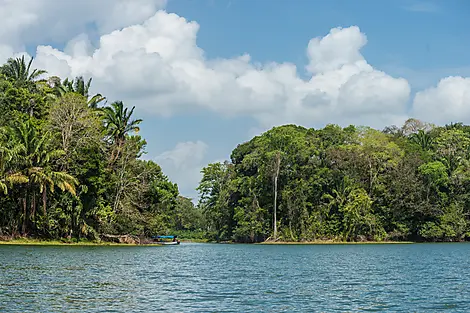
Day 4 - Fuerte Amador, Flamenco Island
An artificial peninsula situated at the Pacific entrance to the Panama Canal, Fuerte Amador is the gateway to several noteworthy sites. Right near there, the impressive Miraflores Locks are a shining example of the engineering feats deployed during the construction of the Panama Canal. Further north, in villages nestling amid dense vegetation, lives the Embera tribe, guardian of the forest and of the Chagres River. This proud people have successfully preserved their traditions and their ancestral way of life, which predate the colonisation of the region by the Spanish.

Day 5 - Playa Muerto, Darien National Park
The most remote and least developed region of Panama, the province of Darien is an unspoilt land with an extremely rich variety of flora and fauna. Listed by UNESCO as World Heritage, Darien National Park offers its extraordinary scenery of rocky coastlines, mountain ranges, mangroves, rivers and creeks. Discover Playa Muerto, a tiny coastal village home to the Emberas Amerindian community. You will visit the village, attend traditional songs and dances of the locals, and admire beautiful local craft.
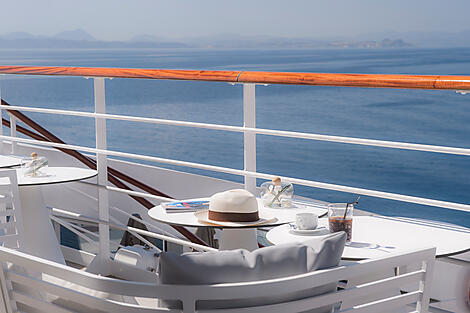
Day 6 - At sea
During your journey at sea, make the most of the many services and activities on board. Treat yourself to a moment of relaxation in the spa or stay in shape in the fitness centre. Depending on the season, let yourself be tempted by the swimming pool or a spot of sunbathing. This journey without a port of call will also be an opportunity to enjoy the conferences or shows proposed on board, depending on the activities offered, or to do some shopping in the boutique or to meet the PONANT photographers in their dedicated space. As for lovers of the open sea, they will be able to visit the shipâs upper deck to admire the spectacle of the waves and perhaps be lucky enough to observe marine species. A truly enchanted interlude, combining comfort, rest and entertainment.
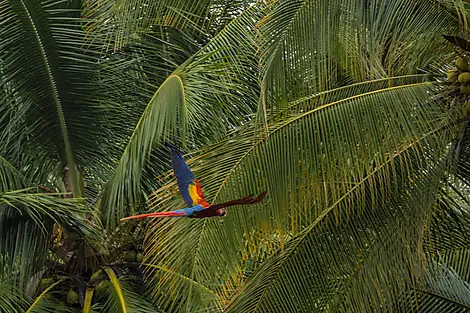
Day 7 - Golfito
The town of Golfito lies on the Pacific coast of Costa Rica, in the province of Puntarenas, one of the most humid regions in the world. It was occupied by the indigenous Bruncas tribe during the Pre-Columbian era. Once specialised in the export of bananas, Golfito has today become the starting point for visitors who want to reach one of the largest primary tropical rainforests in Central America. Meanwhile, the beaches of Golfo Dulce are some of the most beautiful in Costa Rica, with the lush forest, home to many tropical birds and monkeys as well as a variety of rare species of plants, as their backdrop.
Day 8 - Puntarenas
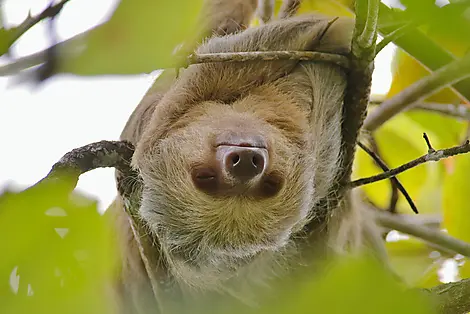
The capital of the eponymous province, Puntarenas is sometimes called âthe pearl of the Pacificâ, for its unique charm. It sits on the Pacific coast of Costa Rica, along the Gulf of Nicoya, lined with long expanses of wild natural environments. Further inland, among the countless natural wonders to be found in the generous rainforest of the Costa Ricaâs national parks, Poas and Arena volcanoes towers up in all their majestic glory. In this luxuriant natural setting, Costa Rica protects one of the planetâs richest biodiversity: monkeys, sloths, tropical birds, iguanas, crocodiles, waterfalls, canyons, and more than ten thousand species of tropical plants.
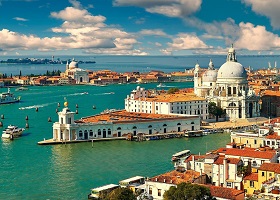
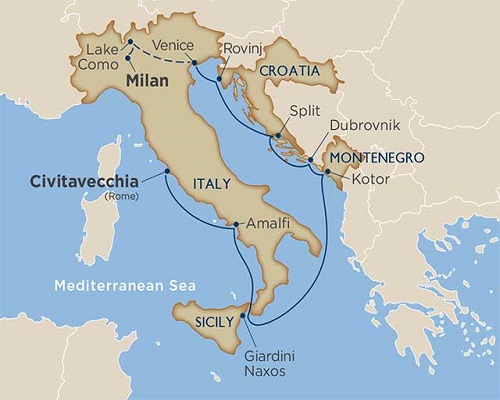
11 Days - Lake Como & Adriatic Romance Cruise Tour [Civitavecchia, Rome to Venice]
![11 Days - Lake Como & Adriatic Romance Cruise Tour [Civitavecchia, Rome to Venice]](/images/packages/Lake-Como-Bellagio.jpg "11 Days - Lake Como & Adriatic Romance Cruise Tour [Civitavecchia, Rome to Venice]")
Cruise Line: Windstar Cruise
Ship: Star Explorer
Sailing Date: Apr 17 2027 To Oct 14 2027
Route: Civitavecchia, Rome to Venice
Duration: 11 Nights
![11 Days - Lake Como & Adriatic Romance Cruise Tour [Civitavecchia, Rome to Venice]](/images/packages/extraimages/829_11Days-Lake-Como-Adriatic-Romance-08062021.jpg "11 Days - Lake Como & Adriatic Romance Cruise Tour [Civitavecchia, Rome to Venice]")
11 Days - Lake Como & Adriatic Romance Cruise Tour
Cruise Line: Windstar Cruise
Ship: Star Explorer
Sailing Date: Aug 12 2027 To Oct 14 2027
Route: Venice to Rome
Duration: 10 Nights
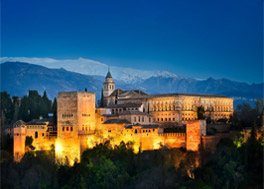
Cruising from Morocco to Spain's Andalusian Coast-with Smithsonian Journeys
Cruise Line: Ponant Cruise
Ship: Le Boreal|Le-Champlain
Sailing Date: Apr 18 2027 & Apr 03 2028
Route: Casablanca - Lisbon
Duration: 7 Nights
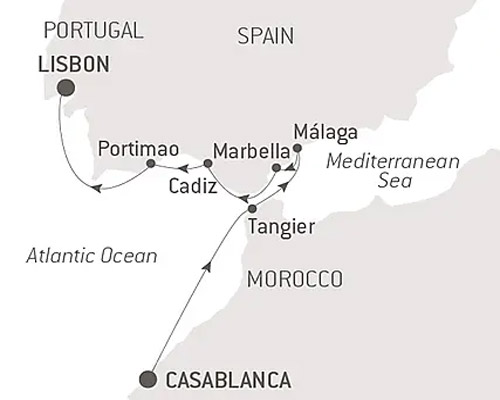
Cruising from Morocco to Spain's Andalusian Coast-with Smithsonian Journeys
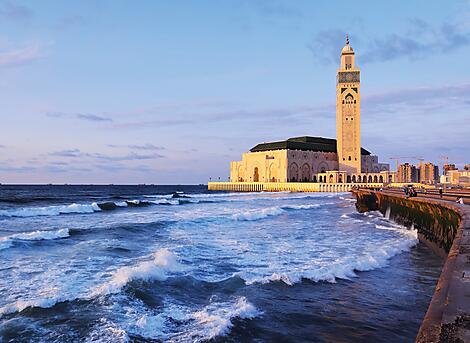
Day 1 - Casablanca
Situated along the Atlantic coast, Casablanca is the very image of contemporary Morocco: Westernised and cosmopolitan. Exploring the architectural heritage of the âWhite Cityâ tells you all you need to know about its cultural and historical diversity. Breathtaking highlights include the majestic Hassan II Mosque, considered to be one of the greatest religious buildings in the world. You can explore the narrow alleys of the old Medina, which stand in sharp contrast to the surrounding modern architecture. To get the most from the seafront, the Ain Diab Corniche provides a pleasant place for strolling with easy access to the beach.
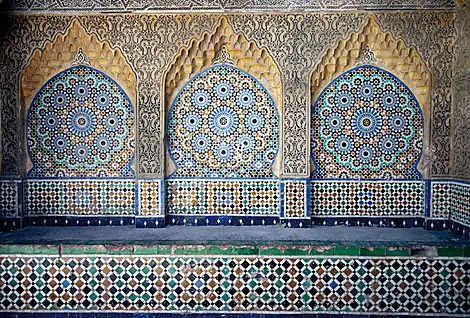
Day 2-3 - Tangier
Nestling in the Bay of Tangier, this bewitching Moroccan city lies at the northwestern tip of the country, along the famous Strait of Gibraltar. Following in the footsteps of the writers and artists inspired and seduced by the cityâs climate and setting, youâll love its rich landscapes and multicultural charm. Youâll instantly understand as soon as you set foot in the heart of the Medina. An architectural masterpiece, the Kasbah is your gateway to the Sultanâs Palace and its gardens. If you prefer beaches to museums, you can relax just a few minutes from the city on the beautiful sweep of sand bathed by the Atlantic Ocean.
5 available excursions
Tetouan and the Handicrafts of Morocco, Chefchaouen: The Blue City, Treasures of Morocco's Atlantic Coast, Discovering Tangier, Religions of Morocco
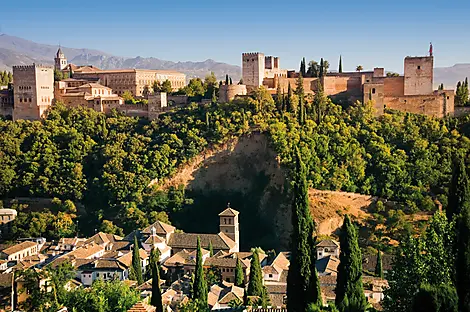
Day 4- Malaga
A historical and festive town, Malaga is located in Andalusia, on the Costa del Sol. Between the marina and the beaches, the seaside promenade of La Farola offers an ideal setting for strolling and relaxing. Set slightly further back, the Malagueta bullring is one of the emblematic sites of the city. From the hill overlooking the old town, one can see Gibralfaro castle and the Alcazaba, two fortified ensembles rising out from the cypresses and maritime pines. To visit Pablo Picassoâs birthplace, you will go first to the courtly plaza de la Merced. A few streets back from here, you can explore the museum dedicated to the artist, in the Buenavista palace.
2 available excursions
Medieval Cordoba, Old Malaga & The Picasso Museum
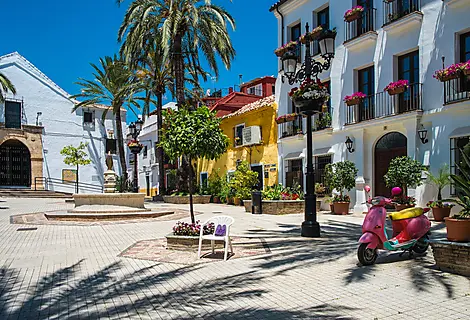
Day 5 - Marbella
In the province of Malaga, Marbella is a renowned seaside resort on the Costa del Sol. The remains of early Christian and Roman sites around this former mining town, located at the foot of the Sierra Blanca mountains, bear witness to a rich history. With its white houses on flowery little streets, the old town is perfect for a pleasant stroll. The Plaza de los Naranjos, former focal point of the city, is near the 10th-century Arabic castle and the Church of Santa MarÃa de la Encarnación. Not far from here, youâll be able to discover the magnificent viewpoints offered by Ronda, a picturesque town perched 700 metres (2,296 feet) high. Its Puente Nuevo bridge majestically crosses the gorges of the Guadalevin River that cuts the town in two.
2 available excursions
In the Heart of Costa del Sol, Ronda and the Traditions of Bullfighting
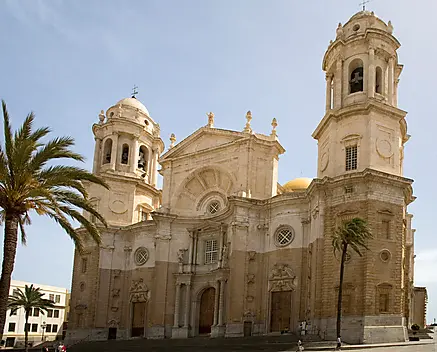
Day 6 - Cadiz
Andalusiaâs Cadiz is located on the Costa de la Luz, in the south-west of Spain. From the beaches of Cortadura, to the flamenco bars of Santa Maria, through the colourful streets of la Vina, you will be amazed by this city, which is both steeped in history and extremely festive. In the medieval El Populo district, you will stroll along covered passages in the narrow gaps between houses. You will also be able to mosey around the lush Mina square. The star of the show is the magnificent cathedral and its dome crowned with yellow porcelain, presiding above the Ocean.
2 available excursions
Cadiz: Gateway to Southern Spain, Andalusian Treasures: Seville & Cathedral
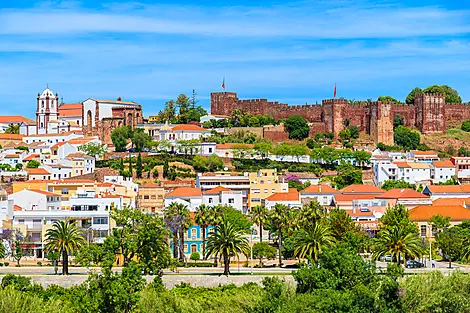
Day 7 - Portimao
At the entrance of the River Arade, Portimao is a former sardine port that has become a famous seaside city. From this pleasant town, you can explore Silves, the former capital of the Algarve. The town is dominated by a Moorish castle, one of the best preserved in Portugal. You can also admire the incredible cathedral with its baroque façade, built on the site of an old mosque. Then you will go to Monchique, a small mountain town surrounded by a forest lush eucalyptus and cork oaks. In the maze of narrow cobbled streets and whitewashed houses, you will discover here a wilder and more authentic Algarve.
4 available excursions
Historical Alvor and Portimao, Seco and Benagil, Silves and Monchique, Historic Lagos and the Ponta da Piedade
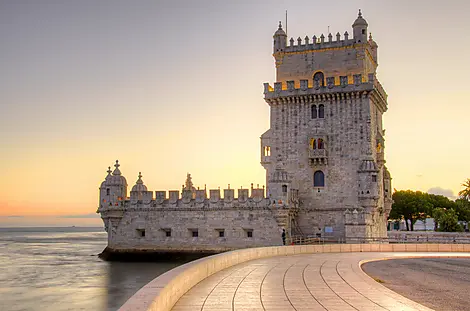
Day 8 - Lisbon
Portugalâs capital city located on the banks of the Tagus, only a few kilometres from the Atlantic coast, is a city of exceptionally rich cultural diversity. At the mouth of the river harbour, impose two UNESCO World Heritage monuments, Jeronimos monastery and Belem tower. The Alfama hillside is also worth visiting: known for its fado bars and its Moorish streets, this district is the oldest one of the city and one of the most typical. Not far from there, Chiadoâs elegant streets are home to big fashion labels and are an invitation to a bit of of luxury shopping.
Central America Jewels & Panama Canal
Cruise Line: Ponant Cruise
Ship: Le-Bougainville
Sailing Date: Nov 14 2026 & Mar 03 2027
Route: Puntarenas - Colon
Duration: 7 Nights
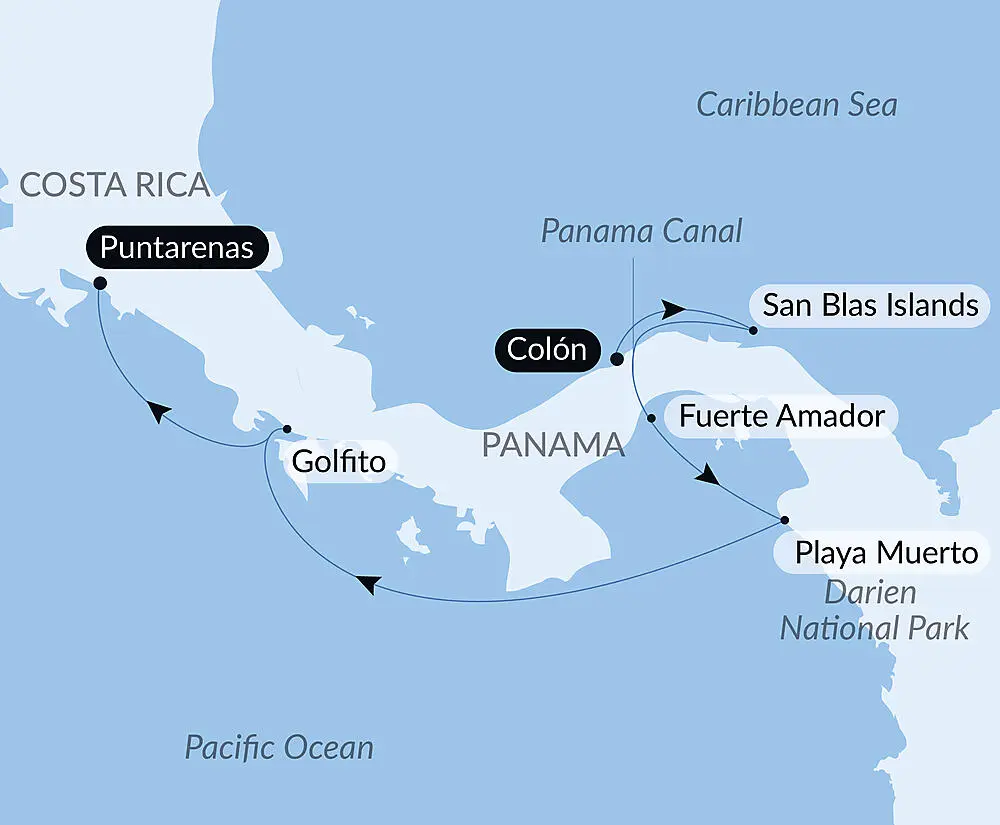
Central America Jewels & Panama Canal
Day 1 - Puntarenas
The capital of the eponymous province, Puntarenas is sometimes called âthe pearl of the Pacificâ, for its unique charm. It sits on the Pacific coast of Costa Rica, along the Gulf of Nicoya, lined with long expanses of wild natural environments. Further inland, among the countless natural wonders to be found in the generous rainforest of the Costa Ricaâs national parks, Poas and Arena volcanoes towers up in all their majestic glory. In this luxuriant natural setting, Costa Rica protects one of the planetâs richest biodiversity: monkeys, sloths, tropical birds, iguanas, crocodiles, waterfalls, canyons, and more than ten thousand species of tropical plants.
Day 2 - Golfito
The town of Golfito lies on the Pacific coast of Costa Rica, in the province of Puntarenas, one of the most humid regions in the world. It was occupied by the indigenous Bruncas tribe during the Pre-Columbian era. Once specialised in the export of bananas, Golfito has today become the starting point for visitors who want to reach one of the largest primary tropical rainforests in Central America. Meanwhile, the beaches of Golfo Dulce are some of the most beautiful in Costa Rica, with the lush forest, home to many tropical birds and monkeys as well as a variety of rare species of plants, as their backdrop.
Day 3 - At sea
During your journey at sea, make the most of the many services and activities on board. Treat yourself to a moment of relaxation in the spa or stay in shape in the fitness centre. Depending on the season, let yourself be tempted by the swimming pool or a spot of sunbathing. This journey without a port of call will also be an opportunity to enjoy the conferences or shows proposed on board, depending on the activities offered, or to do some shopping in the boutique or to meet the PONANT photographers in their dedicated space. As for lovers of the open sea, they will be able to visit the shipâs upper deck to admire the spectacle of the waves and perhaps be lucky enough to observe marine species. A truly enchanted interlude, combining comfort, rest and entertainment.
Day 4 - Playa Muerto, Darien National Park
The most remote and least developed region of Panama, the province of Darien is an unspoilt land with an extremely rich variety of flora and fauna. Listed by UNESCO as World Heritage, Darien National Park offers its extraordinary scenery of rocky coastlines, mountain ranges, mangroves, rivers and creeks. Discover Playa Muerto, a tiny coastal village home to the Emberas Amerindian community. You will visit the village, attend traditional songs and dances of the locals, and admire beautiful local craft.
Day 6 - Fuerte Amador, Flamenco Island
An artificial peninsula situated at the Pacific entrance to the Panama Canal, Fuerte Amador is the gateway to several noteworthy sites. Right near there, the impressive Miraflores Locks are a shining example of the engineering feats deployed during the construction of the Panama Canal. Further north, in villages nestling amid dense vegetation, lives the Embera tribe, guardian of the forest and of the Chagres River. This proud people have successfully preserved their traditions and their ancestral way of life, which predate the colonisation of the region by the Spanish.
Day 6 - Crossing the Panama Canal
Aboard your ship, experience something unique, that has inspired the imagination of numerous adventurers in the 20th century: sailing the Panama Canal. Its construction started in 1880 under the direction of Ferdinand de Lesseps. Abandoned then resumed, this marvel of engineering was completed by the United States and opened in 1914. The canal crosses the Isthmus of Panama and links the Atlantic to the Pacific. Including three levels of locks and by raising ships to the level of Lake Gatun, almost as if the water was a lift, it allows them to avoid having to round Cape Horn.
Day 7 - San Blas Islands
Located on the north-east coast of Panama, the San Blas archipelago is a string of coral islands in the heart of the Caribbean Sea. More than 300 islands and cays cover an area of 300 square kilometres offering travellers a multitude of treasures. Sheltered behind a long coral reef, the San Blas Islands are full of enchanting anchorages. The long sandy white beaches bound by crystal-clear waters will allow you to relax and enjoy incredible marine fauna before engaging with the Kunas Indian community. Still subsisting on hunting and fishing, they will welcome you in their villages of bamboo houses gathered near the beaches.
Day 8 - Colon
Colon is the second largest city in Panama, at the Caribbean entrance of the Panama Canal. Colón is today an important port, and the free trade zone created in 1953 contributed greatly to the development of the city. Colón was founded in 1850 by Americans working on the Panama railroad connecting the Atlantic and Pacific coasts through the isthmus of Panama; the city rapidly overshadowed the older Caribbean ports of Panama when the canal opened.
Mythical islands and wild landscapes of the Hebrides
Cruise Line: Ponant Cruise
Ship: Le-Champlain
Sailing Date: Apr 13 2027 To Apr 27 2027
Route: Glasgow, Scotland to Glasgow, Scotland
Duration: 7 Nights
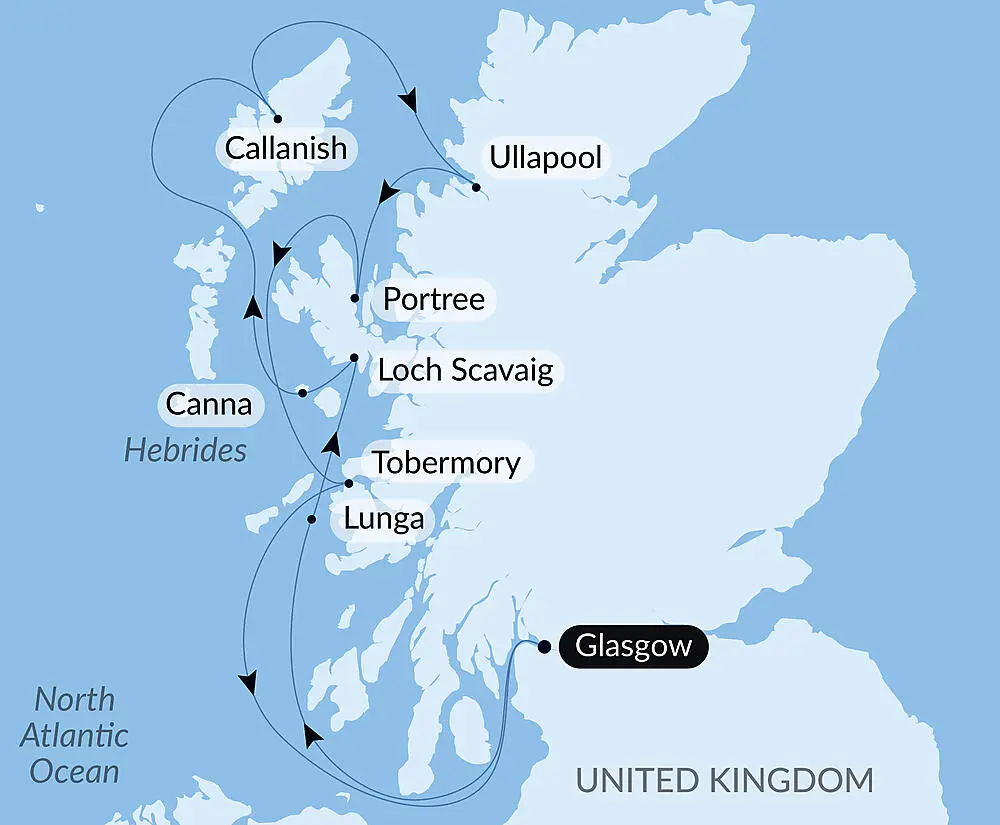
Mythical islands and wild landscapes of the Hebrides
Day 1 - Glasgow, Scotland
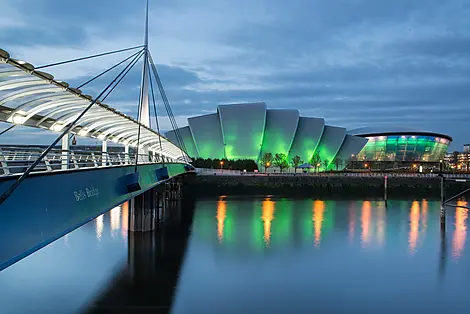
In the heart of the Clyde Valley, the bustling city of Glasgow contrasts starkly with the wild beauty of the surrounding countryside. Scotland's biggest city overflows with landmarks from its extensive artistic heritage and outstanding architectural tradition. The city's chequerboard layout makes walking through the major pedestrian thoroughfares easy: go with the flow and let the lively street atmosphere take you past the many Victorian monuments. Don't miss the collections on display in the numerous museums and art galleries. The Kelvingrove Art Gallery and Museum is an outstanding example.
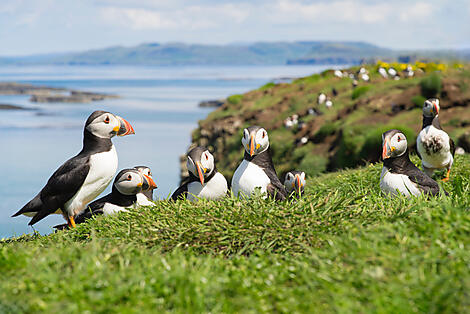
Day 2 - Lunga, Treshnish Isles
The Treshnish Isles lie off the Isle of Mull, to the west of Scotland, forming a small archipelago of seven islands of volcanic origin that belongs to the Inner Hebrides. Basalt cliffs and rocky coves shape the contours of the largest island, Lunga, while its inner lands are carpeted with moors. Inhabited until the 19th century, Lunga still bears the remains of traditional blackhouses, visible in situ. Designated a Special Protection Area, the island is now the kingdom of pelagic birds, including Atlantic puffins, and also home to a large seal colony. The craggy terrain and panoramic scenery of this island will delight bird-watchers and nature-lovers.
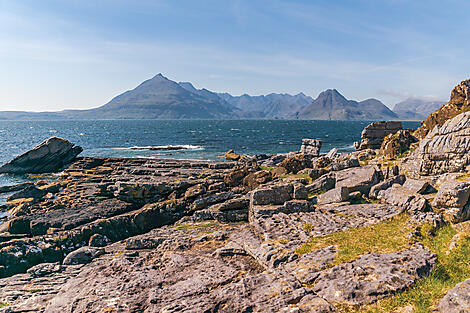
Day 3 - Loch Scavaig
In the south of the Isle of Skye, Loch Scavaig, located on the eponymous river, the shortest in Great Britain, will reveal its stunning scenery: you will not fail to admire the reflections of the Cuillin Hills, granite hills carpeted with heather and shrouded in morning mist, on the waters of the loch. Perhaps you will be lucky enough to spot some harbour seals and grey seals lazing on the shore. Let yourself be tempted by a hike to discover Loch Coruisk and its sublime panorama at the foot of the Black Cuillin ridge, which has inspired many painters, including J. M. W. Turner.
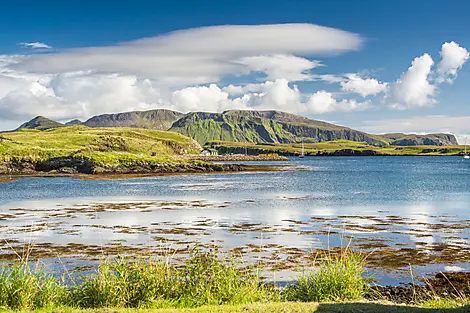
Day 3 - Canna, Hebrides
The Hebrides archipelago has many natural treasures, including Canna, a preserved little island with the pretty nickname âthe garden of the Hebridesâ. Inhabited since the Neolithic period, Canna has only around twenty inhabitants today but its territory has a rich history featuring Christians, Celtic monks, Norse settlers and Scottish communities, all of whom left traces of their passage, monuments, churches or Celtic crosses as heritage. You will take the time to enjoy beauty of the nature here, between the land and the ocean, from the diversity of the floral species to the captivating dance of the seabirds, including guillemots, come to nest in the islandâs protected spaces.
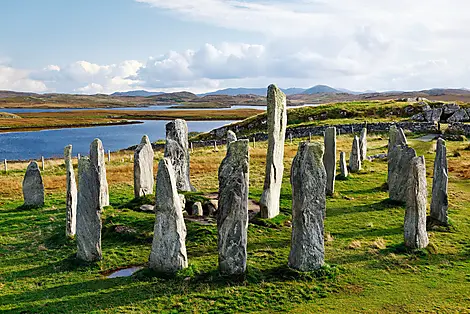
Day 4 - Callanish, Outer Hebrides
In Scotlandâs Outer Hebrides, on the legendary Isle of Lewis, Callanish dazzles and surprises, fascinates and questions. On the eastern coast of the island, where land and sea rub shoulders and clash in the tumult of wild nature, discover the Callanish Stones megalithic site. No fewer than 51 stones stand in the middle of the peat fields. Deliberately arranged about 5,000 years ago, they are a mysterious testimony to the Stone Age. There are many theories as to the purpose of these stones â a place of worship, a lunar calendar, an astronomic observatory or a healing centre â but they remain an enigma. The singular atmosphere of this site lends itself to all sorts of interpretations, to all sorts of dreams and musings.
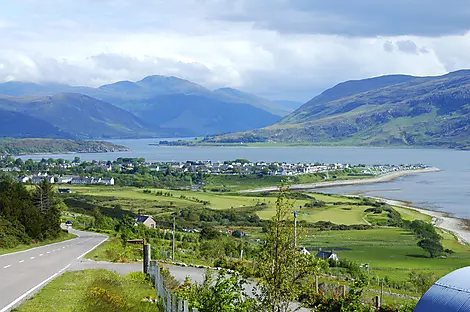
Day 5- Ullapool, Scotland
On the West Coast of the Northern Highlands, youâre sure to be charmed by the picturesque city of Ullapool, so often admired by holidaymakers passing through. While this delightful fishing port has proven to be the ideal departure point for exploring the region on foot, the place itself is worth the detour. Stretching along the quiet, majestic banks of loch Broom, whitewashed cottages line the harbour and the pretty pebble beach. The view of the surrounding mountains only makes this image postcard-perfect. To find out more about Ullapoolâs origins, you can visit the townâs museum dedicated to local history.
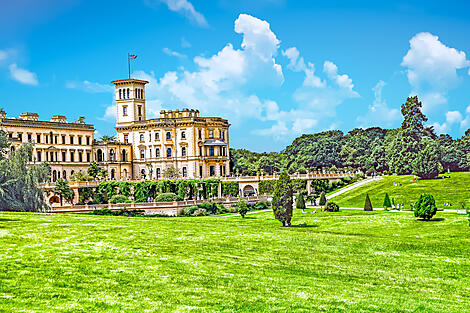
Day 6 - Portree, Isle of Skye
Nestling in the crux of a gorgeous bay, Portree reflects the magnificence of the grandiose Isle of Skye as well as being its main town. Apart from the charm of its colourful houses, the townâs outstanding location on the banks of a loch makes it a very pleasant place to be. From its colourful harbour bustling with local craftsmenâs shops, you can take in a stunning view of the surrounding hills. Before trekking through the wilderness and drinking in the natural beauty of the Isle of Skye, check out some of the beautiful images in the Aros Centre.
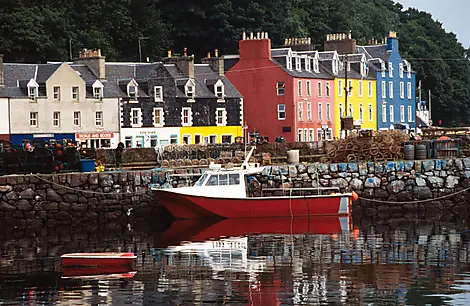
Day 7 - Tobermory, Isle of Mull
Located at the northernmost tip of the lovely Isle of Mull, Tobermory has to be one of the most beautiful natural seaports on Scotlandâs West Coast. Founded in 1788, this ancient fishing village has been converted to a leisure port highly appreciated today for its surroundings and the quiet charm it exudes. You will definitely be won over by the row of many-storied houses on the hillside, illuminating the harbour with their vibrant colours. Although the real spectacle is outdoors, no less interesting are the Mull Museum dedicated the local history and the exhibitions at the An Tobar art gallery.
Day 8 - Glasgow, Scotland
In the heart of the Clyde Valley, the bustling city of Glasgow contrasts starkly with the wild beauty of the surrounding countryside. Scotland's biggest city overflows with landmarks from its extensive artistic heritage and outstanding architectural tradition. The city's chequerboard layout makes walking through the major pedestrian thoroughfares easy: go with the flow and let the lively street atmosphere take you past the many Victorian monuments. Don't miss the collections on display in the numerous museums and art galleries. The Kelvingrove Art Gallery and Museum is an outstanding example.

We Accept: 
Secured By: 
Copyright © STIC GSA Services Pvt. Ltd. All rights reserved