

11 Days - Lake Como & Adriatic Romance Cruise Tour [Civitavecchia, Rome to Venice]
![11 Days - Lake Como & Adriatic Romance Cruise Tour [Civitavecchia, Rome to Venice]](/images/packages/Lake-Como-Bellagio.jpg "11 Days - Lake Como & Adriatic Romance Cruise Tour [Civitavecchia, Rome to Venice]")
Cruise Line: Windstar Cruise
Ship: Star Explorer
Sailing Date: Apr 17 2027 To Oct 14 2027
Route: Civitavecchia, Rome to Venice
Duration: 11 Nights
![11 Days - Lake Como & Adriatic Romance Cruise Tour [Civitavecchia, Rome to Venice]](/images/packages/extraimages/829_11Days-Lake-Como-Adriatic-Romance-08062021.jpg "11 Days - Lake Como & Adriatic Romance Cruise Tour [Civitavecchia, Rome to Venice]")
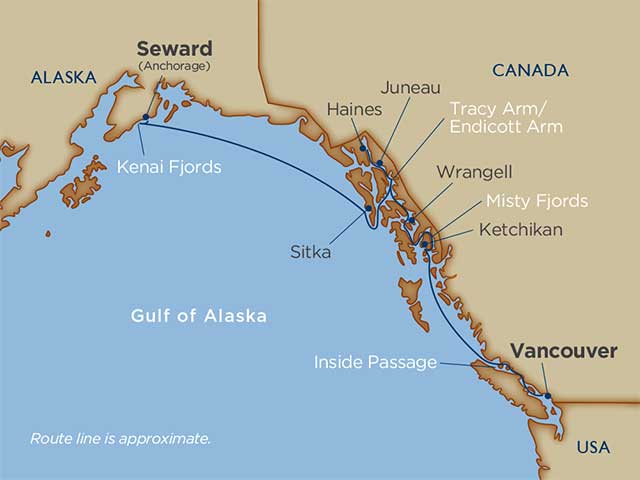
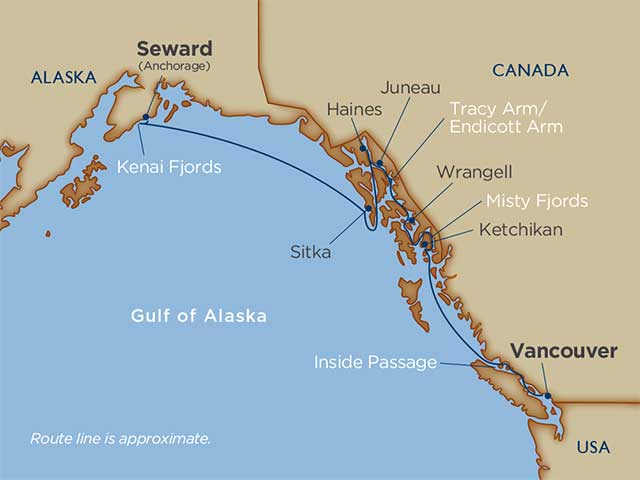
11 days - Alaskan Splendors - Star Seeker
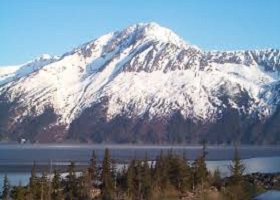
Cruise Line: Windstar Cruise
Ship: Star Seeker
Sailing Date: Jul 27 2027 & Jul 11 2028
Route: Seward [Anchorage] to Vancouver
Duration: 11 Nights
Complete East Greenland
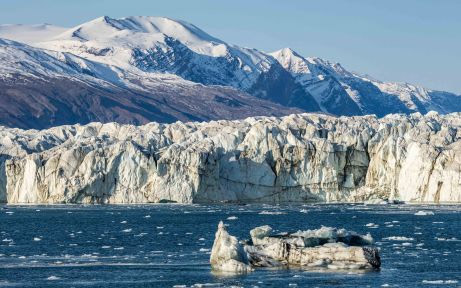
Cruise Line: Albatros Expeditions
Ship: Ocean Albatros
Sailing Date: Sep 17 2027
Route: Reykjavik, Iceland to Reykjavik, Iceland
Duration: 11 Nights

12 Days - Kyoto & the Zen of Japan Cruise Tour[Kobe to Tokyo]
![12 Days - Kyoto & the Zen of Japan Cruise Tour[Kobe to Tokyo]](/images/packages/Kobe-japan-image.jpg "12 Days - Kyoto & the Zen of Japan Cruise Tour[Kobe to Tokyo]")
Cruise Line: Windstar Cruise
Ship: Star Seeker
Sailing Date: Oct 13 2027
Route: Kobe to Tokyo
Duration: 11 Nights
![12 Days - Kyoto & the Zen of Japan Cruise Tour[Kobe to Tokyo]](/images/packages/extraimages/9240_Kobe-japan.jpg "12 Days - Kyoto & the Zen of Japan Cruise Tour[Kobe to Tokyo]")
11 Days - Alaskan Coastal Adventures & Denali Discovery Cruise Tour
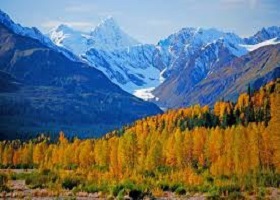
Cruise Line: Windstar Cruise
Ship: Star Seeker
Sailing Date: Jun 17 2028 To Aug 05 2028
Route: Vancouver to Juneau
Duration: 11 Nights
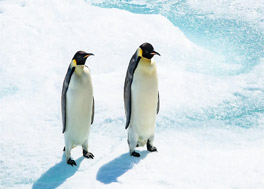
The Emperor Penguins of Weddell Sea
Cruise Line: Ponant Cruise
Ship: Le-Commandant-Charcot
Sailing Date: Oct 27 2027 To Nov 20 2027
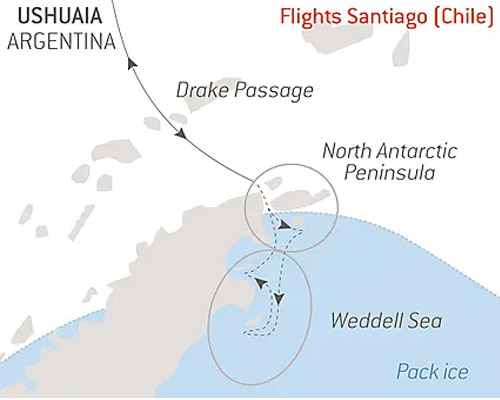
Route: Ushuaia - Ushuaia
Duration: 12 Nights
The Emperor Penguins of Weddell Sea
Ports of Call & Excursions
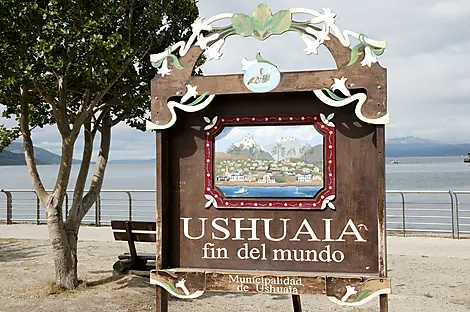
Day 1 - Ushuaia
Capital of Argentina's Tierra del Fuego province, Ushuaia is considered the gateway to the White Continent and the South Pole. Nicknamed âEl fin del mundoâ by the Argentinian people, this city at the end of the world nestles in the shelter of mountains surrounded by fertile plains that the wildlife seem to have chosen as the ultimate sanctuary. With its exceptional site, where the Andes plunge straight into the sea, Ushuaia is one of the most fascinating places on earth, its very name evocative of journeys to the unlikely and the inaccessibleâ¦
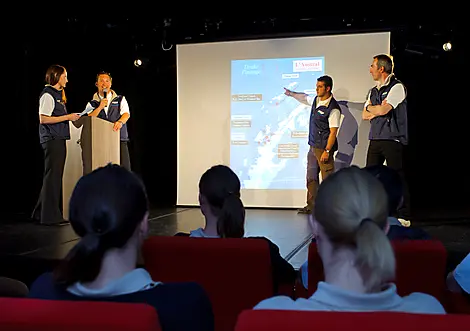
Day 2Â Â - 3 - Crossing the Drake Passage
Use your days spent in the Drake Passage to familiarise yourself with your ship and deepen your knowledge of the Antarctic. The Expedition Leader will first present the IAATO rules of conduct that must be observed during landings in the region and will explain everything you need to know about the zodiac outings. Lectures about the history and wildlife of the Antarctic will be an opportunity for you to learn more about this magical region, where every cruise is a unique experience. You will experience exceptional sailing moments on board and join the naturalist-guides on your shipâs exterior decks to look out for albatrosses, cape petrels, and other seabirds flying over the Drake Passage.
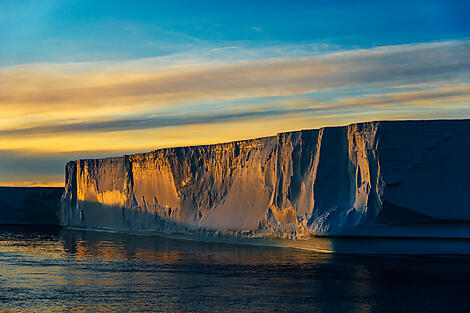
Day 4 - North Antarctic Peninsula
Throughout your time in the north of the Antarctic Peninsula, you will find yourself in the heart of a spectacular decor in subtle shades of blue and white, surrounded by exceptional wildlife. You will sail through the Antarctic Sound, named after Swedish explorer Otto Nordenskjöldâs ship, which was trapped by the ice during an important scientific expedition in 1902. The gateway to the Weddell Sea, this sound is filled with gigantic tabular icebergs and plates of sea ice drifting northward from the coastal areas of this vast sea. It is home to Adelie penguins and a great many leopard seals.
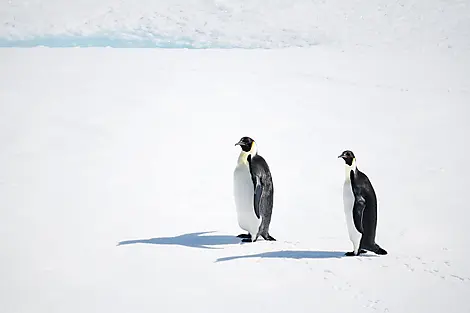
Day 5Â Â - 10 - The Weddell Sea exploration
Impassable, extreme and captivating: this is the best way to describe the Weddell Sea, much of which is covered by a layer of thick, densely packed ice. It is a challenge and a privilege to sail upon this sea. Polar exploration finds its full meaning here. Heading towards the South is a real quest, with the promise of highly-charged encounters with the continentâs endemic fauna. This is the kingdom of the emperor penguin, the largest penguin in the world, renowned for its elegance. Unlike other penguins that live on the rocks, the emperor nests on the ice floe which it needs for its reproductive cycle. It is therefore on the ice floe that you will be able to observe it walking around with its characteristic gait. In this southern sea, where the ice changes and is transformed constantly, there is never any monotony. The new reliefs and new colours ensure never-ending wonderment. You will sail into the heart of the immaculate ice floe, which is dislocated or densely packed, into an alley of icebergs. Among them are immense blocks of ice, tabular icebergs, that drift and illuminate the ocean with their cerulean blue haloes. Aboard, on shore, on the ice, you will be as close as possible to the colonies of Adelie penguins, Weddell seals, Mink whales, orcas, snow petrels.⦠With a little luck, you will get a glimpse of a rare Ross seal with its silver pelage or of emperor penguins, waddling along the edge of the ice floe. A sight that is as fascinating as it is emotional.
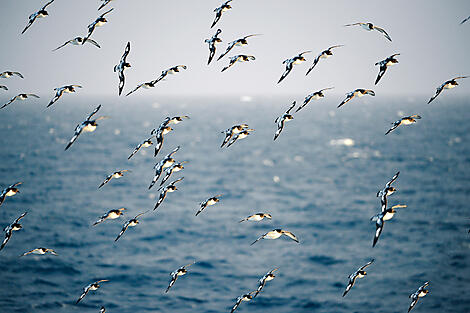
Day 11Â Â - 12 - Crossing the Drake Passage
If there is one place, one sea, one waterway dreaded by tourists, researchers and hardened seafarers alike, it is undoubtedly Drake Passage. Situated at the latitude of the infamous Furious Fifties winds, between Cape Horn and the South Shetland Islands, it is the shortest route to connect Antarctica to South America. Seasoned navigators will tell you that you must earn your visit to the White Continent! As the Antarctic convergence zone where cold currents rising up from the South Pole meet warmer equatorial water masses, Drake Passage harbours a very diverse marine fauna. Don't forget to look to the sky to catch a glimpse of elegant albatross and Cape petrels, playfully floating about in the wind around your ship.
Day 13 - Ushuaia
Capital of Argentina's Tierra del Fuego province, Ushuaia is considered the gateway to the White Continent and the South Pole. Nicknamed âEl fin del mundoâ by the Argentinian people, this city at the end of the world nestles in the shelter of mountains surrounded by fertile plains that the wildlife seem to have chosen as the ultimate sanctuary. With its exceptional site, where the Andes plunge straight into the sea, Ushuaia is one of the most fascinating places on earth, its very name evocative of journeys to the unlikely and the inaccessibleâ¦
Authentic Japan
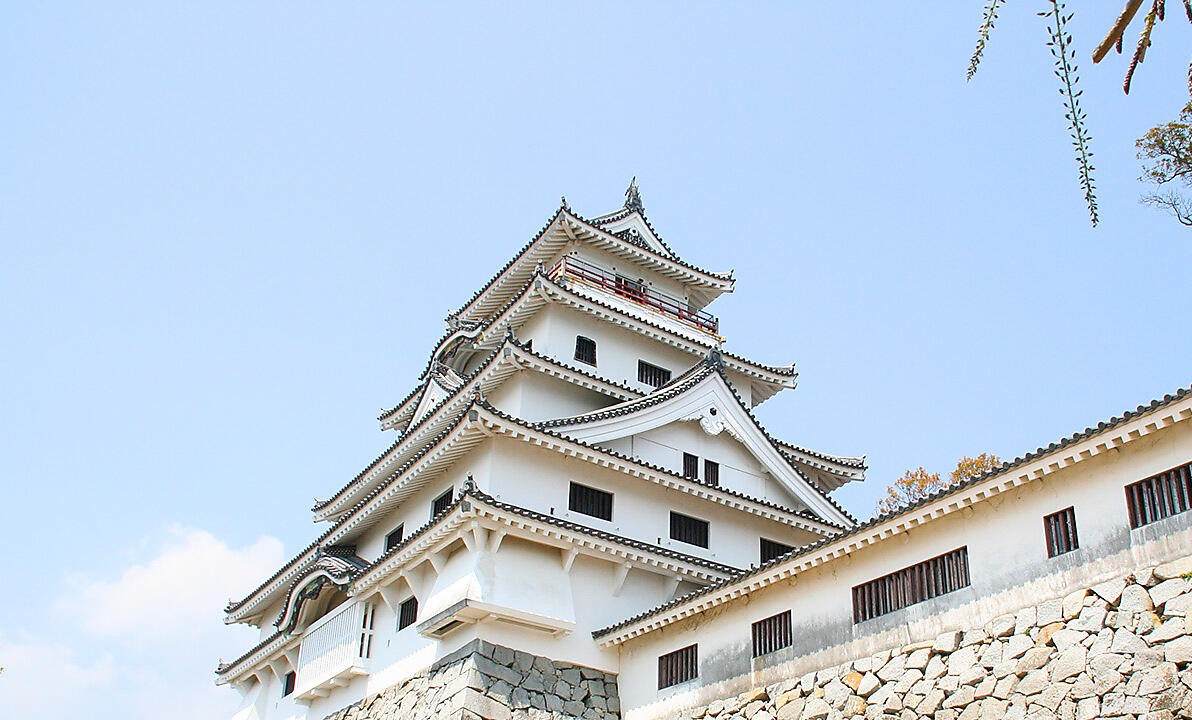
Cruise Line: Ponant Cruise
Ship: Le Soleal
Sailing Date: Mar 14 2027
Route: Osaka - Busan
Duration: 12 Nights
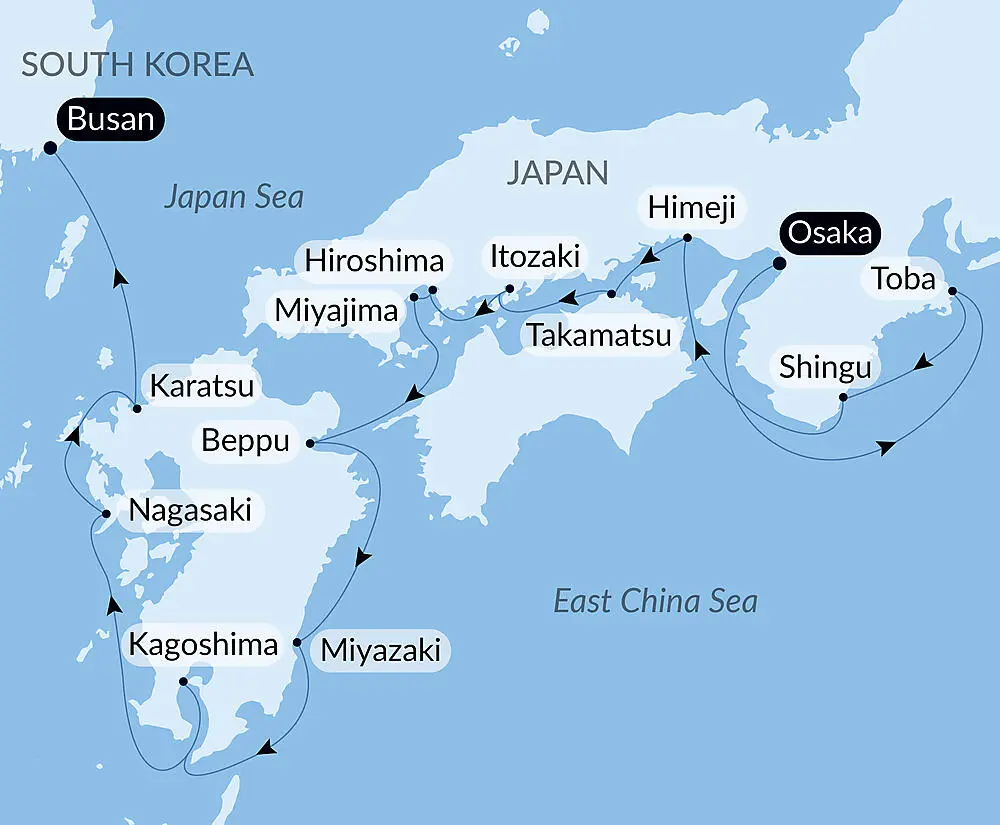
Authentic Japan
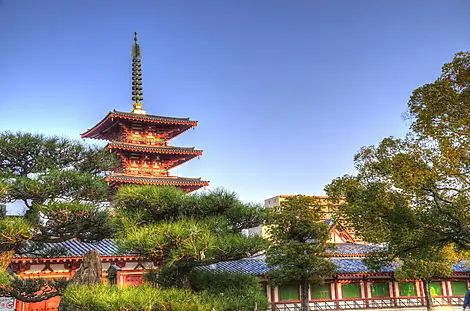
Day 1 - Osaka
Like its big sister Tokyo, Osaka is the product of ancestral traditions and amazing technological innovations. And despite its size, its location on the Pacific Ocean give it a sense of serenity. The main historic landmark is the 16th century Osaka Castle, which stands proud in the midst of majestic skyscrapers. The lively streets of Dotomburi and the bizarre Shinsekai district attract thousands of locals and visitors. A multitude of restaurants offer menus full of regional specialities: takoyaki, made with octopus, and other succulent dishes such as kushikatsu kebabs.
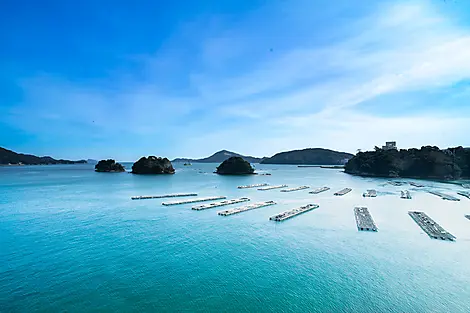
Day 2 - Toba
Toba is a coastal city located in Japanâs Mie Prefecture, on the shores of the Pacific Ocean. Situated in the Ise-Shima National Park, Toba has given its name to majestic bay sheltering a string of small islands, famous for the beauty of their forests and the production of cultured pearls. You will have the possibility of discovering the Ise Shrine, residence of the Imperial family and venerated by the Japanese people as the âsoul of Japanâ.
Day 3 - Shingu
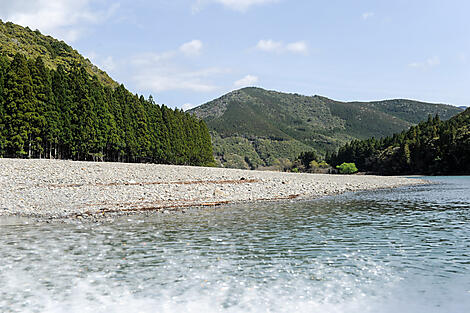
To the south-west of the Japanese archipelago, Shingu is a port town in the Kansai region. Founded in 1933, it belongs to the peninsula of Kii, the countryï¾s largest. Take a trip around the Kumano Sanzan religious complex dedicated to three sacred mountains and home to two Shinto temples, Kumano Hong? Taisha and Kumano Hayatama Taisha.ï¾ The latter features the famous sacred nagi tree, said to have been planted around 1159. Pilgrims flock to these two sanctuaries that feature on UNESCO's World Heritage list. Hop on a boat and journey to the Dorokyo Gorge, a natural beauty spot carved out by the emerald waters of the Kumano river.
Day 4 - Himeji
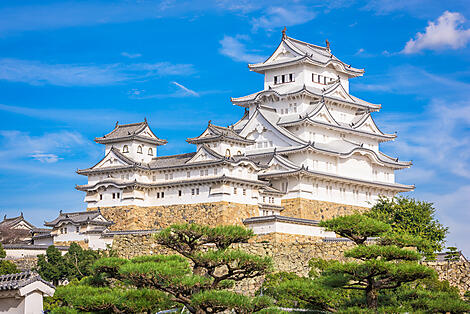
You may get the impression that youï¾ve already seen Himeji Castle, as it has been featured many times on the big screen. The feudal edifice seems to spread its wings over the town like a white heron ï¾ï¾ in fact, its nickname is ï¾the castle of the white heronï¾. Originally started in the 15th century and then rebuilt in the 17 th-century, it is a UNESCO World Heritage site. At its feet lies the gorgeous Koko-en garden, which has nine different gardens designed to flourish in each of the four seasons.
Day 5 - Takamatsu
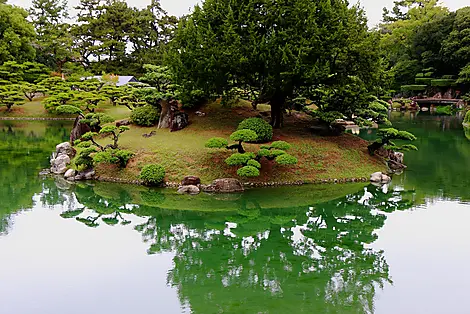
A former fortified city, ruled over by the Matsudaira clan from the Tamamo castle with its seawater moats, the city is home to one of the most beautiful classic gardens in Japan, the Ritsurin. It was created by the barons of the city at the start of the Edo period, during which time gardening became a profession in its own right. Its landscape incorporates Mount Shiun in the background, an example of what is known as the shakkei technique, which uses the surrounding landscapes to increase the beauty of the gardens.
Day 6 - Itozaki
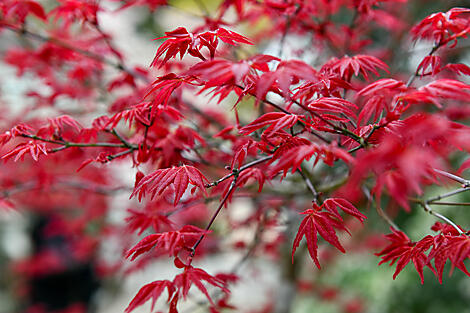
Jewels of the heart of Hiroshima Prefecture, Itozaki invites travelers to a timeless escape. Bordered by the Seto Inland Sea, it captivates with its landscapes blending the gentle shimmer of its waters and the silent majesty of its mountains. Itozaki is a journey into the soul of Japan, a haven where time stands still. The Japanese city will serve as the starting point for discovering, just a short distance away, the historic Onomichi, renowned for its nearly twenty temples and shrines.
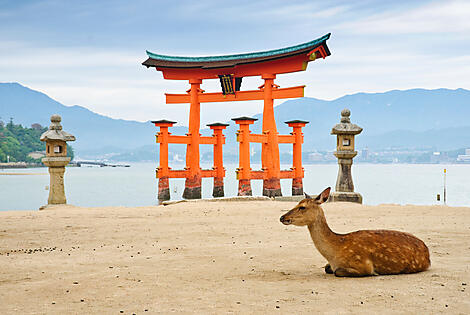
Day 7 - Miyajima Island
At the heart of the Inland Sea, Miyajima, the âisland sanctuaryâ will reveal its treasures. In the background you will see the Shinto Grand Sanctuary, whose entrance is guarded by a magnificent vermillion âToriiâ. Considered to be one of the most beautiful sites in the Japanese islands, you will be transported by the unique character and the serenity of this sacred site.
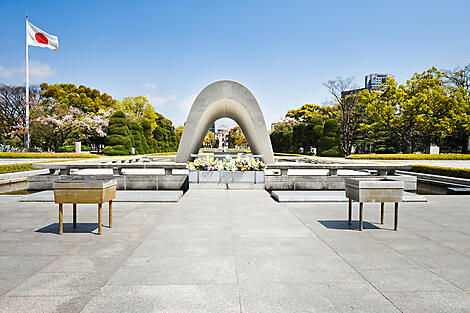
Day 7 - Hiroshima
Visiting Hiroshima is a moving experience. The town spreads along Honshu Island, along the inside coasts of Seto. While firmly focused on the future, Hiroshima doesn't forget its past, and a visit to the Peace Memorial Park and Genbaku Dome is a must. You'll enjoy the city's modern, cosmopolitan atmosphere and effervescent nightlife just as much as the peaceful stillness of its natural parkland areas such as splendid Shukkei-en, the town's historic garden.
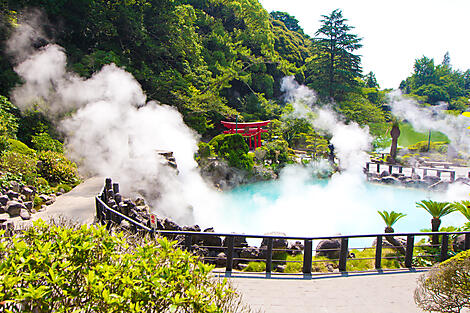
Day 8 - Beppu, Oita
A favourite destination for the Japanese, Beppu is now famous throughout the Japanese archipelago thanks to its onsen â volcanic hot springs in which people immerse themselves to relax with family or friends. From Beppu, you will set off to discover a lush, peaceful valley in which sit 60 majestic stone Buddhas carved out of the cliff face between the 12th and 14th centuries. Exuding a soothing air of serenity, the Mangetsuji site seems to have drifted off to sleep in the heart of a dense bamboo forest surrounded by rice fields. Recognised as a National Treasure of Japan, this set of sacred sculptures offers travellers a unique, wonderful experience.
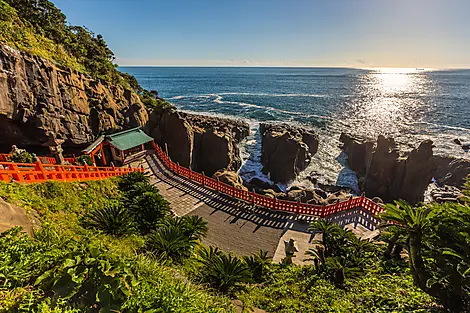
Day 9 - Miyazaki
The cradle of Japanese mythology, Miyazaki is a hidden treasure on the southern coast of KyÅ«shÅ«. Known for its climate, its golden beaches and its spectacular rocky formations, it is an invitation to exploration and contemplation. In the heart of the city, the Miyazaki-jingÅ« Shinto shrine stands majestically, surrounded by ancient forests and peaceful gardens, in which an atmosphere of serenity reigns. Make the most of the authenticity of this city with fascinating local culture and, during the visit of the Miyazaki Shrine, fall under the spell of the kagura, a dance and song performance by the shrineâs priests and helpers.
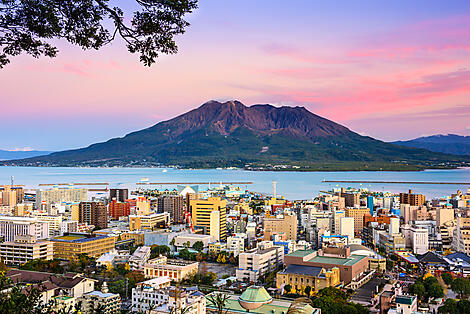
Day 10 - Kagoshima
The seaside city of Kagoshima, at the south of Kyushu Island, ï¾ is best known for Sakurajima, an active volcano that faces Kinko Bay. A visit to this busy metropolis will remind you just how much the volcano is part of the inhabitants' everyday life: in the wake of the almost daily eruptions, a delicate layer of ash settles on everything. The top of a buried torii (traditional Japanese gate) measuring three metres that was 'swallowed up' by a giant lava flow in 1914 can still be seen. The power of nature will send a shiver down your spine.
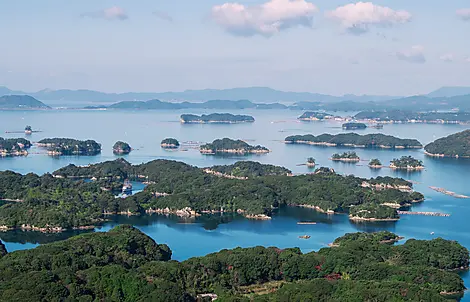
Day 11 - Nagasaki
Located on the north-west coast of Kyushu, Nagasaki will impress you by its rich heritage. Despite the destruction in 1945, you can visit several ancient sites, including the beautiful 19 th-century Catholic Church of Oura and its garden, the sanctuary of Suwa Shrine or several Buddhist temples. A visit to the Atomic Bomb Museum gives you insight into the extent of the damage caused by the nuclear attack. Close by, a walk in the Memorial Peace Park leads you to a collection of objets d'art offered as a gift from Japan to the world.
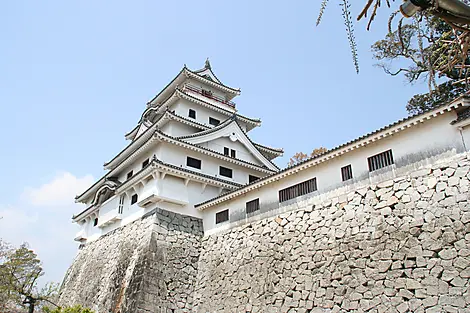
Day 12 - Karatsu
Karatsu Bay is edged with long sandy beaches and a huge pine forest that was planted over 350 years ago to protect the coast from the winds and tides of the Genkai Sea. From the top of the donjon of Karatsu Castle or Mount Kagami, you will be able to admire magnificent panoramas. In the north of the Higashi-Matsuura Peninsula, the waves have eroded the lava plateau and carved a magnificent natural site, the seven Nanatsugama Caves, out of the basalt. The city of Karatsu is famous for the quality of its pottery, which is influenced by the craftsmanship of nearby Korea. Very fine pieces are displayed in the cityâs galleries and at Karatsu Castle, alongside magnificent samurai armour
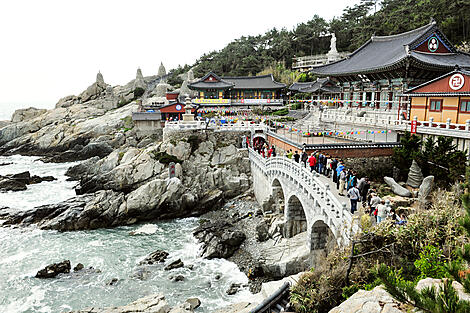
Day 13 - Busan
ith around four million inhabitants, Busan is the second largest metropolis on South Korea, after Seoul. This dynamic harbour city, located in the south-east, surrounded by the warm waters of the Sea of Japan, benefits from a mild, pleasant climate. Youâll find delightful simply to stroll around the lively streets and explore the cityâs outstanding cultural heritage of art galleries, museums, and Buddhist sites, such as the Haedong Yonggungsa temple, which elegantly sits on the waterfront. Rich too in magnificent beaches and superlative natural landscapes, Busanâs peaceful atmosphere will win you over, as will its inhabitants, whom youâll have the pleasure of meeting.
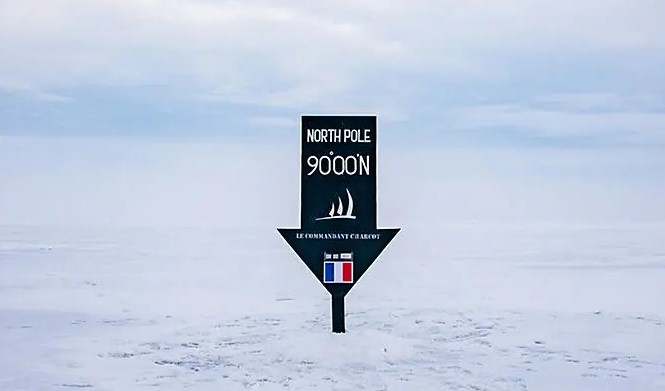
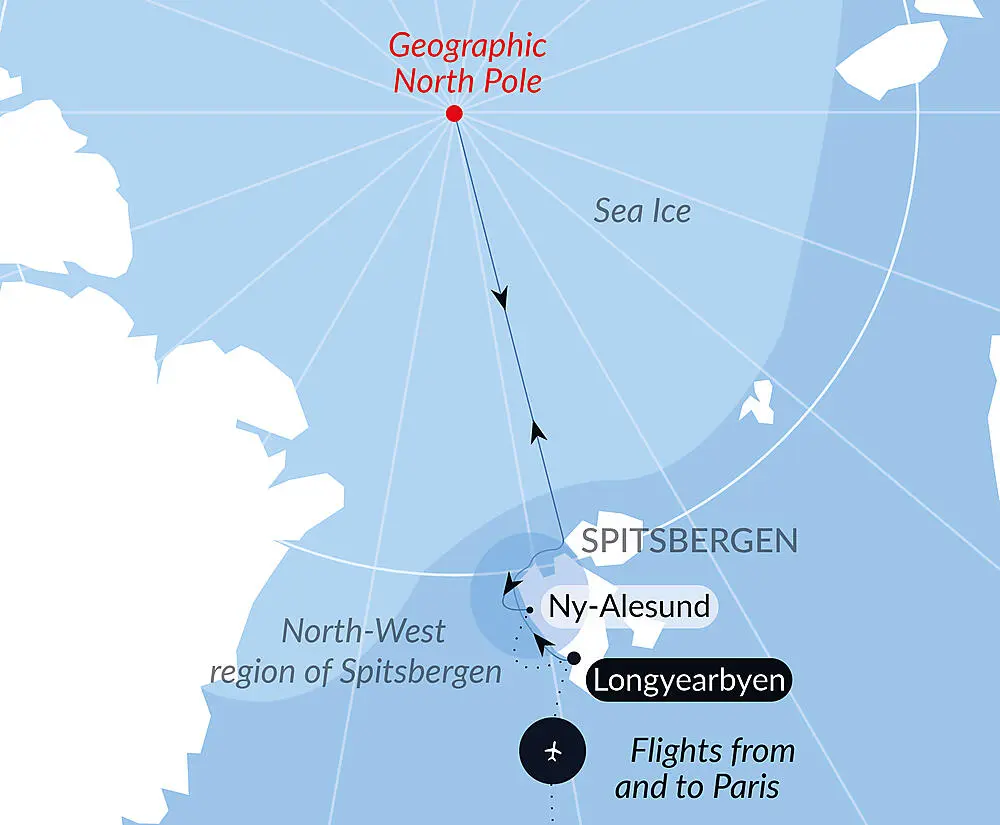
The Geographic North Pole
Cruise Line: Ponant Cruise
Ship: Le-Commandant-Charcot
Sailing Date: Jul 27 2027 To Sep 10 2028
Route: Longyearbyen, Spitsbergen (Norway) to Longyearbyen, Spitsbergen (Norway)
Duration: 12 Nights
The Geographic North Pole
Ports of Call & Excursions
Day 1 - Longyearbyen, Spitsbergen
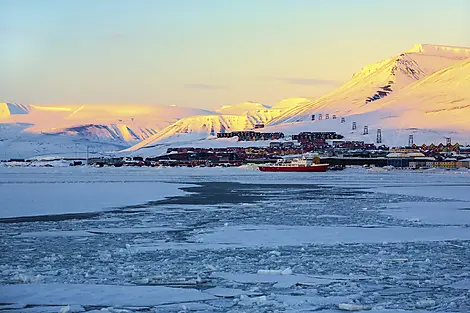
Longyearbyen is the capital of the Norwegian Svalbard archipelago, located on Svalbardâs main island, and is the northernmost territorial capital on the planet. With winter temperatures dropping to below 40°C, the landscapes of this mining town are simply breathtaking. The glaciers, the mountains stretching as far as the eye can see and the untouched nature, make you feel like youâre in completely unexplored territory.
Day 2Â - At sea along Spitsbergen
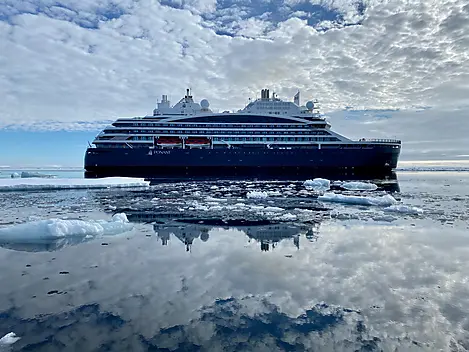
The largest island in the Svalbard archipelago, its name meaning âpointed mountainsâ in German, Spitsbergen is the last piece of land before the Arctic ice floe. Aboard your ship, you will sail along the extremely spectacular coastline of this icy land. Between millennial glaciers and rugged mountains, you will discover a jagged coastline, hollowed-out by fjords. A unique setting, the refuge of a particularly rich avifauna, offering you the possibility of taking fabulous photographs from the deck of your ship.
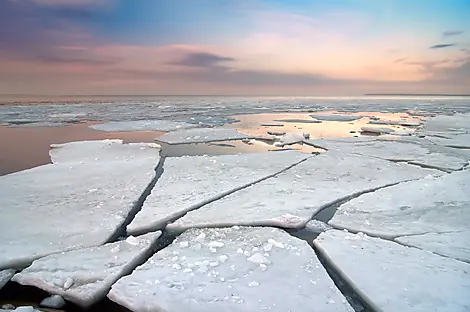
Day 3Â Â - 5 - Navigating through the sea ice
Enjoy the absolutely unique experience of sailing to the heart of the ice floe, this vast expanse of virgin, immaculate ice. The landscapes are constantly changing, shifting from a smooth, flat wilderness to a chaos of ice, then to channels of open water. Your ship will sail along these naturally open channels and through the areas where the frozen layer is thinnest, offering you the chance to experience magic maritime moments in the midst of drifting sea ice. It will also often be an opportunity to see a particular kind of fauna, totally dependent on the ice floe.
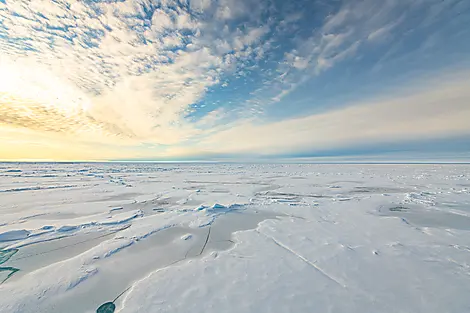
Day 6Â Â - 7 - Geographic North Pole
Defined by a 90° North latitude, the Geographic North Pole lies on the Earthâs rotational axis, at the intersection of all meridians. Plunged into darkness for six months of the year, then lit by the sun for the following six months, this mythical site, permanently covered in ice and remote from any land, has fascinated generations of explorers. So far, only a very few people have ever reached it: an exploit which is now accessible to you aboard Le Commandant Charcot.
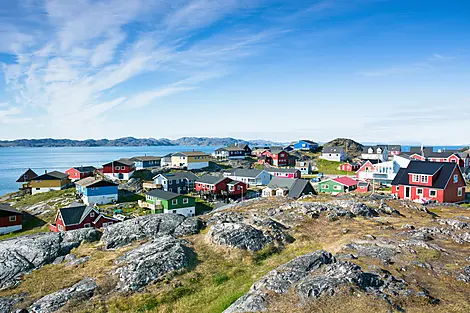
Day 8Â Â - 10 - Navigating through the sea ice
Enjoy the absolutely unique experience of sailing to the heart of the ice floe, this vast expanse of virgin, immaculate ice. The landscapes are constantly changing, shifting from a smooth, flat wilderness to a chaos of ice, then to channels of open water. Your ship will sail along these naturally open channels and through the areas where the frozen layer is thinnest, offering you the chance to experience magic maritime moments in the midst of drifting sea ice. It will also often be an opportunity to see a particular kind of fauna, totally dependent on the ice floe.
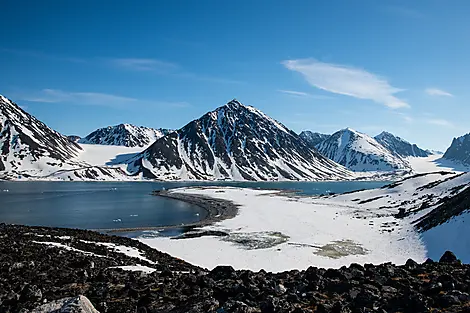
Day 11 - Ny-Alesund, Spitsbergen
During your cruise, discover Ny-Alesund, a former mining town that has been transformed into a scientific base. Founded in 1916, this small town was the departure point for many Arctic expeditions, including those of the famous explorer Roald Amundsen. Don't miss a visit to the museum and its famous post office, considered to be the most northerly in the world!
Day 12 - North-West region of Spitsbergen
A kingdom of contrasts and natural marvels dotted with islands and peninsulas, northwest Spitsbergen fascinates with its preserved beauty. On these pristine lands, infinity unveils itself, treating the eyes to beauty sculpted by nature and enhanced by the changing light. The fjords bathed by icy waters, the jagged mountains and the imposing glaciers stand majestically before you, like monumental sculptures. In these lands, where souls are filled with deep serenity, only the murmur of broken ice, bearing mysteries and legends, disturbs the calmness. Aboard our Zodiacs and in the company of naturalist-guides, get as close as possible to this unique fauna and discover this centre for scientific expedition departures. In the distance, majestic whales glide silently through the glacial waters, whereas seals, walrus and Arctic foxes add a playful touch of life. As Svalbard reindeer wander the vast expanses, Arctic terns liven up the polar sky with their gracious flight and polar bears, which you may be lucky enough to see, patrol magnificently along the icy shores.
Day 13 - Longyearbyen, Spitsbergen
Longyearbyen is the capital of the Norwegian Svalbard archipelago, located on Svalbardâs main island, and is the northernmost territorial capital on the planet. With winter temperatures dropping to below 40°C, the landscapes of this mining town are simply breathtaking. The glaciers, the mountains stretching as far as the eye can see and the untouched nature, make you feel like youâre in completely unexplored territory.
Fall Foliage on the St. Lawrence: Quebec to the Canadian Maritimes
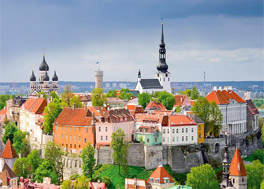
Cruise Line: Ponant Cruise
Ship: Le-Bellot
Sailing Date: Oct 01 2028
Route: Toronto (Canada) to Boston (United States)
Duration: 12 Nights
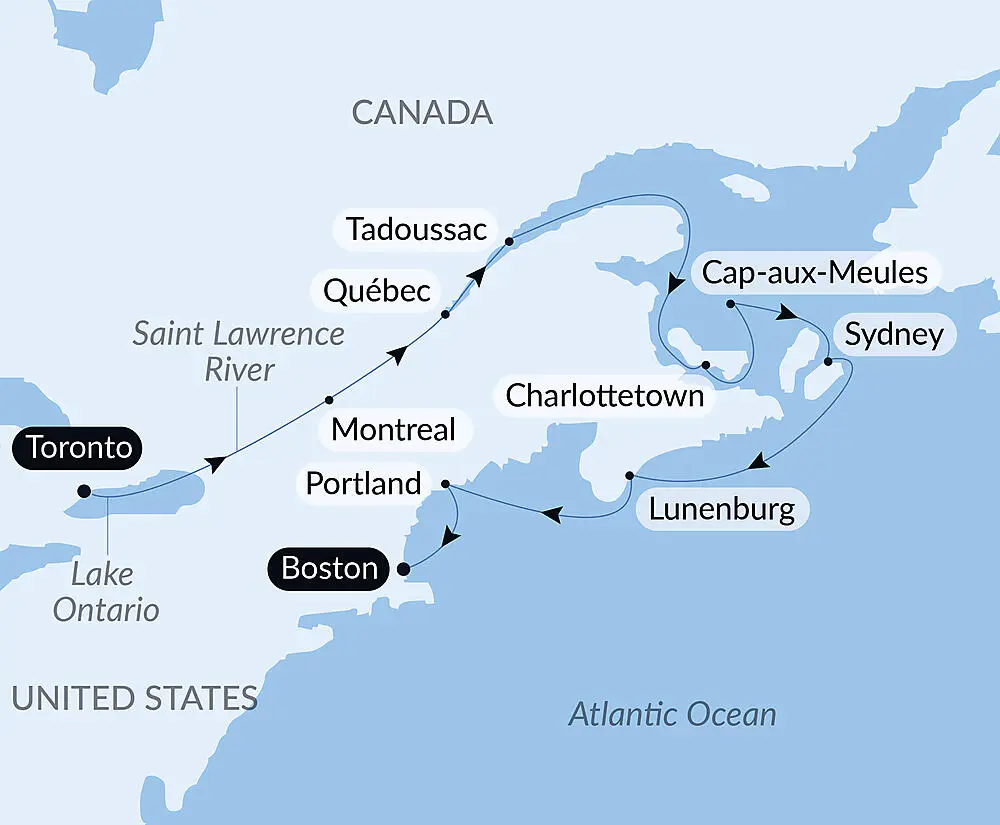
Fall Foliage on the St. Lawrence: Quebec to the Canadian Maritimes
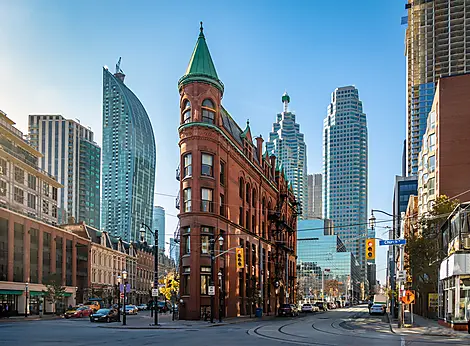
Day 1 - Toronto
The largest city in Canada and capital of the province of Ontario, Toronto fascinates as much by its incredible diversity as by its size. Make sure you visit the CN Tower, the tallest tower in the western hemisphere, as well as the St. Lawrence Market whose stalls reflect the multicultural wealth of this city known as the global city. Not far from there, the historic Distillery District unveils its brick-paved streets imbued with romantic charm and its myriad of small restaurants, cafés, boutiques, theatres and art galleries. The Royal Ontario Museum and its impressive collections devoted to the worldâs natural and cultural history will also be an unmissable stop during this port of call.
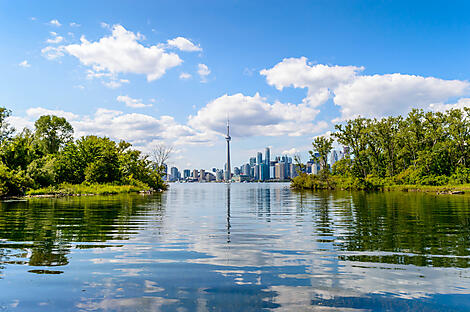
Day 2 - Sailing Lake Ontario
Lake Ontario is the smallest and most easterly of the five Great Lakes of North America, that together form one fifth of all the freshwater on the planet. You will enjoy a magnificent setting, enhanced by the Indian summer, for an exceptional voyage on the sparkling waters of this natural treasure, lying 76 metres above sea level. Fed by the waters of Lake Eyrie and the extraordinary Niagara Falls, it flows into the Saint Lawrence River which follows its course. On the border between the United States and Canada, the lake has great cities like Toronto on its shores but also boasts more secret and unspoiled areas, teeming with beaches, forests and small ports in a bucolic atmosphere.
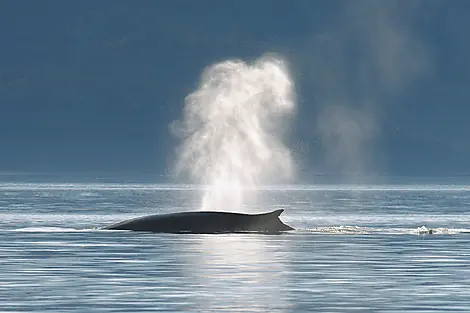
Day 2 - Sailing River Saint Lawrence and going through its locks
Linking the Atlantic Ocean to the Great Lakes region inland, the Saint Lawrence Seaway was inaugurated in 1959, more than 250 years after the initial construction aiming to avoid the rapids obstructing navigation in these parts. This large engineering project, which required four years of huge work, offers a unique sailing experience, punctuated by the passage of the different locks marking out this corridor, which is almost 4,000 km long.
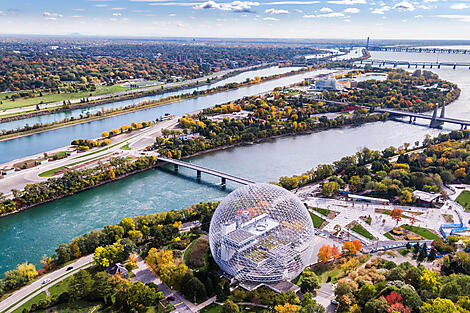
Day 3 - Montreal
Famous for its gentle way of life, Montréal, Canadaâs second-largest city, is a warm and cosmopolitan metropolis. Situated on the eponymous river island, it is home to a multitude of districts, each as unique as the other. Set off to discover Old Montréal, most of which is declared a historic area, Little Italy, where youâll be able to stroll around the largest open-air market in North America, or the Golden Square Mile, the luxurious district located on one of the hills of Mount Royal and which has sumptuous Victorian-style residences. Simultaneously marked by the influences of the Old Continent and North-American gigantism, Montréal will never cease to amaze you.
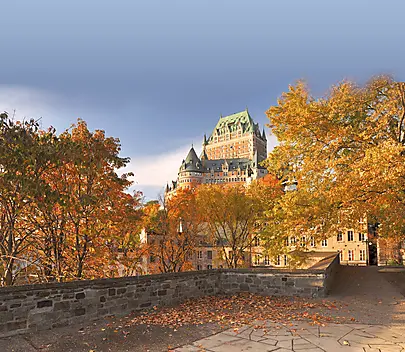
Day 4 - Quebec
The capital of "La Belle Province" sits at the confluence of the St Charles River and the Gulf of St Lawrence in south-east Canada. Founded in the 17th century, the city still has an encircling wall, a historic civil engineering work and the only one of its kind remaining in North America. You will love the postcard-perfect stone houses of Old Quebec, the historic district listed as a UNESCO World Heritage site. Shopping is a pleasure in pedestrian streets such as Petit-Champlain Street, or you can relax over a spruce beer, seasoned with pine buds. Dufferin Boardwalk, an esplanade near the emblematic Château Frontenac, is the perfect place for views of the river and old city.
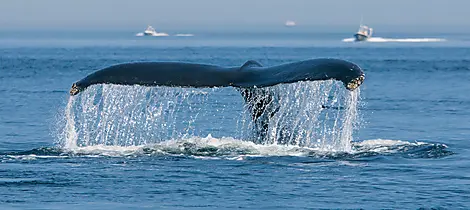
Day 5 - Tadoussac
The Quebec village of Tadoussac stands at the confluence of the Saguenay River and the Gulf of Saint-Lawrence, in south-east Canada. The village is bright with multicoloured houses nestling in an emerald-green pine forest. From the waterfront, itâs easy to spy out Tadoussac Chapel, thanks to its bright red roof. Not far from this church built of wood, one of the oldest in North America, stands a century-old village holiday resort, Hotel Tadoussac. Treat yourself to tea on the terrace overlooking the shoreline. In addition, at the marine mammal interpretation centre, you can hone your knowledge of the cetaceans that regularly frequent Tadoussac bay.
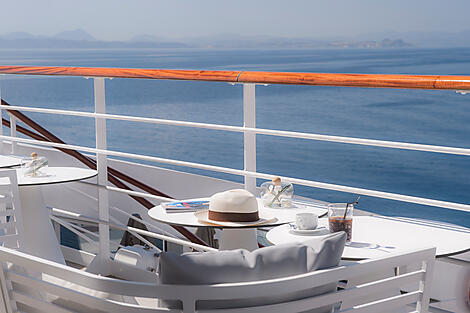
Day 6 - At sea
During your journey at sea, make the most of the many services and activities on board. Treat yourself to a moment of relaxation in the spa or stay in shape in the fitness centre. Depending on the season, let yourself be tempted by the swimming pool or a spot of sunbathing. This journey without a port of call will also be an opportunity to enjoy the conferences or shows proposed on board, depending on the activities offered, or to do some shopping in the boutique or to meet the PONANT photographers in their dedicated space. As for lovers of the open sea, they will be able to visit the shipâs upper deck to admire the spectacle of the waves and perhaps be lucky enough to observe marine species. A truly enchanted interlude, combining comfort, rest and entertainment.

Day 7 - Charlottetown
The colonial seaport of Charlottetown is the capital of Prince Edward Island, "the Garden of the Gulf of St. Lawrence." The town played a crucial role in Canada's history, hosting the Charlottetown Conference (1864), which set the stage for the country's unification. Province House is site of that conference and now home to the provincial legislature. Explore nearby Prince Edward Island National Park and the Anne of Green Gables Houseâinspiration for Lucy Maud Montgomeryâs classic novel. Also see the Confederation Bridge, which crosses the eight miles of the Northumberland Strait, making it Canada's longest bridge and the longest bridge in the world to span ice-covered water.
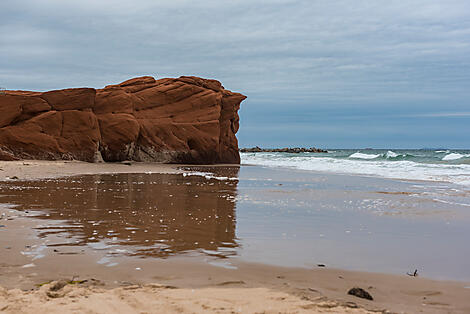
Day 8 - Cap-aux-Meules, Magdalen Islands
Although it is the administrative and economic centre of the Magdalen Islands archipelago, in the Gulf of Saint Lawrence, the village of Cap-aux-Meules remains a peaceful location and is ideal for exploring preserved nature. Located on the eponymous island, in reference to the sandstone rocks of the cape that were used in the past to make grindstones, the location is above all considered to be the maritime gateway to the archipelago. In this respect, it offers privileged access to many sites renowned for their natural and historic heritage, such as the village of Havre-Aubert which is a member of the Most Beautiful Villages of Quebec.
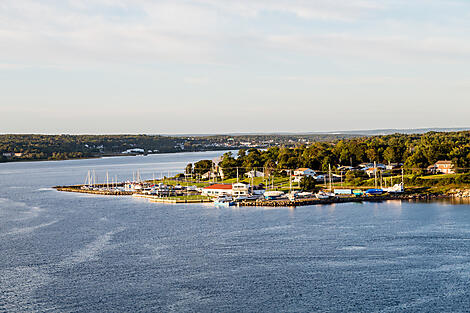
Day 9 - Sydney
Founded in 1785, Sydney is located in the province of Nova Scotia, on Cape Breton Island. Sydney was very much shaped by the steel industry, since in the early 20th century it became home to the worldâs largest steel plants. The city contributed to the allied war effort by becoming a base for the supply convoys bound for Great Britain during the Second World War. Today, tourism has supplanted mining and the Sydney Mines Heritage Museum & Fossil Centre makes for an interesting visit. Walkers will enjoy hiking along the lighthouse coastal trail through the wild nature of Cape Breton, with stunning views over the ocean.
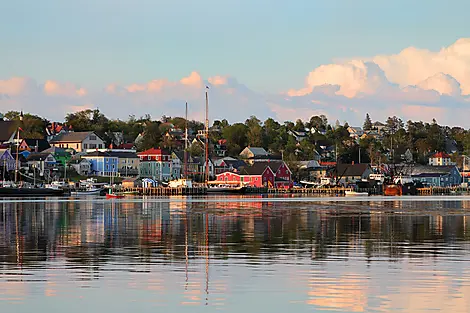
Day 10 - Lunenburg
Stretching out along the eastern seaboard of Nova Scotia, the picturesque port of Lunenburg will leave an indelible impression. You can admire the colonial architecture of this fishing village whilst strolling through the chequerboard streets studded with brightly coloured houses. The enchanting charm of the old town has earned it UNESCO World Heritage status. The former naval shipyard town of Lunenburg is where you will also find the replica of the legendary Bluenose schooner, originally built in this port.
Day 11 - At sea
During your journey at sea, make the most of the many services and activities on board. Treat yourself to a moment of relaxation in the spa or stay in shape in the fitness centre. Depending on the season, let yourself be tempted by the swimming pool or a spot of sunbathing. This journey without a port of call will also be an opportunity to enjoy the conferences or shows proposed on board, depending on the activities offered, or to do some shopping in the boutique or to meet the PONANT photographers in their dedicated space. As for lovers of the open sea, they will be able to visit the shipâs upper deck to admire the spectacle of the waves and perhaps be lucky enough to observe marine species. A truly enchanted interlude, combining comfort, rest and entertainment.
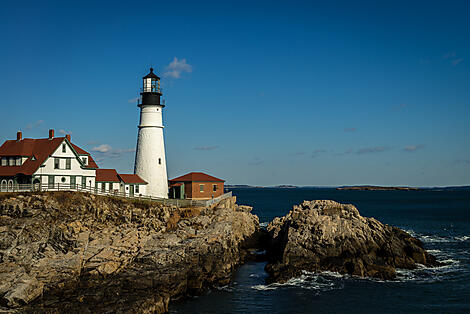
Day 12 - Portland
The former colonial maritime port of Portland, lying in the hollow of Casco Bay, will fascinate you with its abundant nature, cultural riches and unique atmosphere. Let yourself be guided by the salty air of the Atlantic and admire the colourful fishing boats in the old port. A stroll through the paved little streets edged with historical red-brick buildings from the 19th century promises you an extraordinary journey back in time. This city of nature is home to many verdant parks, botanical gardens and other nature reserves where you will find it easy to recharge your batteries and reconnect with the elements.
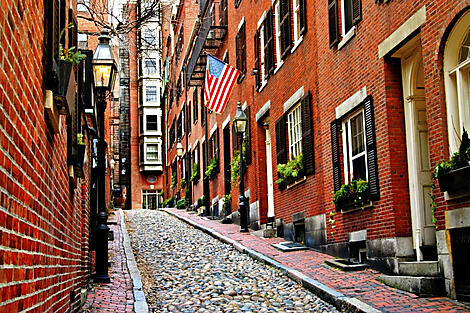
Day 13 - Boston
Nicknamed â America's Walking Cityâ, the city is considered to be the epicentre of American history. Founded in 1630, the tenth largest agglomeration in the United States, is a pleasure for walkers. To get around, just follow the Freedom Trail circuit that serves most of the tourist sites with its red line traced on the ground. Donât miss all the delicious local specialities on offer at Quincy Market, like the lobster sandwich, and then take time to explore North End, the Italian quarter. For the more romantic among you, Beacon Hill, the historic quarter, with its absolutely charming cobbled streets, is really worth a look.
Ocean Voyage: Malaga - Fort-de-France
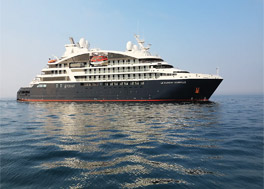
Cruise Line: Ponant Cruise
Ship: Le-Bougainville
Sailing Date: Nov 08 2026
Route: Malaga - Fort-de-France
Duration: 12 Nights
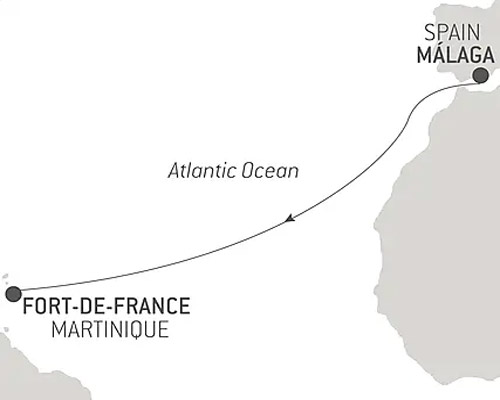
Ocean Voyage: Malaga - Fort-de-France
Ports of Call & Excursions
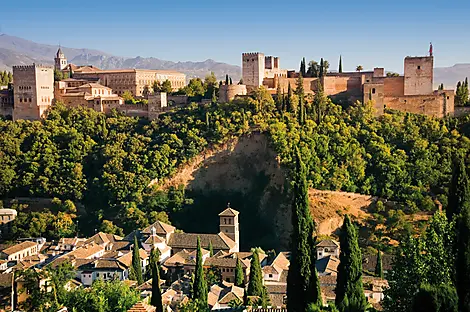
Day 1 - Malaga
A historical and festive town, Malaga is located in Andalusia, on the Costa del Sol. Between the marina and the beaches, the seaside promenade of La Farola offers an ideal setting for strolling and relaxing. Set slightly further back, the Malagueta bullring is one of the emblematic sites of the city. From the hill overlooking the old town, one can see Gibralfaro castle and the Alcazaba, two fortified ensembles rising out from the cypresses and maritime pines. To visit Pablo Picassoâs birthplace, you will go first to the courtly plaza de la Merced. A few streets back from here, you can explore the museum dedicated to the artist, in the Buenavista palace.
Day 2Â Â - 12 - At sea
During your journey at sea, make the most of the many services and activities on board. Treat yourself to a moment of relaxation in the spa or stay in shape in the fitness centre. Depending on the season, let yourself be tempted by the swimming pool or a spot of sunbathing. This journey without a port of call will also be an opportunity to enjoy the conferences or shows proposed on board, depending on the activities offered, or to do some shopping in the boutique or to meet the PONANT photographers in their dedicated space. As for lovers of the open sea, they will be able to visit the shipâs upper deck to admire the spectacle of the waves and perhaps be lucky enough to observe marine species. A truly enchanted interlude, combining comfort, rest and entertainment.
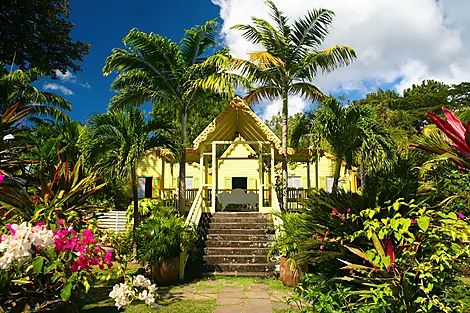
Day 13 - Fort-de-France
Located on the western coast of Martinique, Fort-de-France will amaze you by the splendour of its bay, a magnificent cut-out in the coastline, considered as one of the most beautiful in the world. At the harbour mouth, on its strip of land, fort Saint-Louis overlooks the capital city of Martinique. If you climb up to it, you can see some breath-taking views. Saint Louis Cathedral and the Schoelcher library bear witness to a secular history, intimately linked to the islandâs story. Why not try some fresh coconut at the colourful Grand Marché. Two really pleasant places you can take a breather in, right in the heart of the city, are the garden of Balata and the Aimé Césaire park.

We Accept: 
Secured By: 
Copyright © STIC GSA Services Pvt. Ltd. All rights reserved