

From Svalbard to Iceland: A Polar Odyssey
Cruise Line: Ponant Cruise
Ship: Le-Lyrial
Sailing Date: Aug 07 2027 & Aug 08 2028
Route: Longyearbyen, Spitsbergen (Norway) to ReykjavÃk (Iceland)
Duration: 13 Nights
toReykjavík.webp "From Svalbard to Iceland: A Polar Odyssey")
From Svalbard to Iceland: A Polar Odyssey
Day 1 - Longyearbyen, Spitsbergen
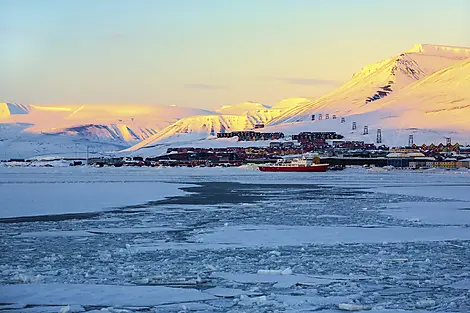
Longyearbyen is the capital of the Norwegian Svalbard archipelago, located on Svalbardâs main island, and is the northernmost territorial capital on the planet. With winter temperatures dropping to below 40°C, the landscapes of this mining town are simply breathtaking. The glaciers, the mountains stretching as far as the eye can see and the untouched nature, make you feel like youâre in completely unexplored territory.
Day 2 - Ny-Alesund, Spitsbergen
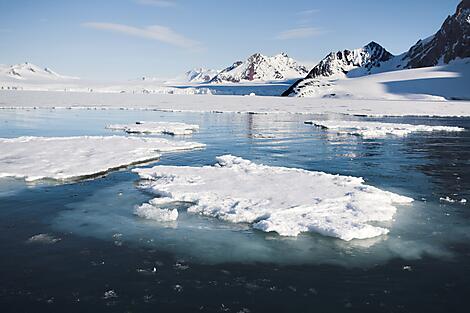
During your cruise, discover Ny-Ã lesund, a former mining town that has been transformed into a scientific base. Founded in 1916, this small town was the departure point for many Arctic expeditions, including those of the famous explorer Roald Amundsen. Don't miss a visit to the museum and its famous post office, considered to be the most northerly in the world!
Day 3-5 - North-West region of Spitsbergen
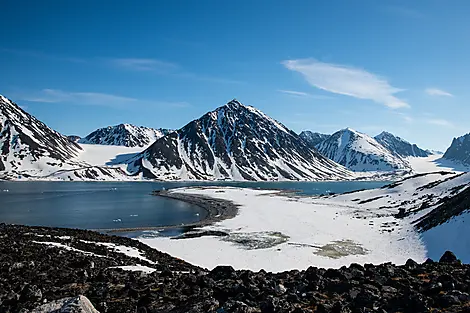
A kingdom of contrasts and natural marvels dotted with islands and peninsulas, northwest Spitsbergen fascinates with its preserved beauty. On these pristine lands, infinity unveils itself, treating the eyes to beauty sculpted by nature and enhanced by the changing light. The fjords bathed by icy waters, the jagged mountains and the imposing glaciers stand majestically before you, like monumental sculptures. In these lands, where souls are filled with deep serenity, only the murmur of broken ice, bearing mysteries and legends, disturbs the calmness. Aboard our Zodiacs and in the company of naturalist-guides, get as close as possible to this unique fauna and discover this centre for scientific expedition departures. In the distance, majestic whales glide silently through the glacial waters, whereas seals, walrus and Arctic foxes add a playful touch of life. As Svalbard reindeer wander the vast expanses, Arctic terns liven up the polar sky with their gracious flight and polar bears, which you may be lucky enough to see, patrol magnificently along the icy shores.
Day 6 - At sea
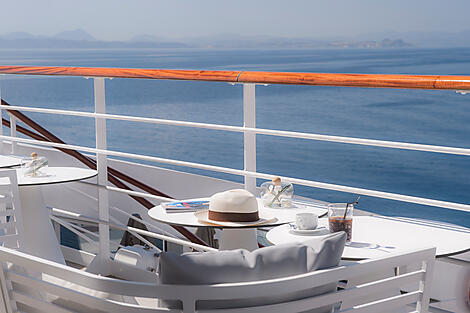
During your journey at sea, make the most of the many services and activities on board. Treat yourself to a moment of relaxation in the spa or stay in shape in the fitness centre. Depending on the season, let yourself be tempted by the swimming pool or a spot of sunbathing. This journey without a port of call will also be an opportunity to enjoy the conferences or shows proposed on board, depending on the activities offered, or to do some shopping in the boutique or to meet the PONANT photographers in their dedicated space. As for lovers of the open sea, they will be able to visit the shipâs upper deck to admire the spectacle of the waves and perhaps be lucky enough to observe marine species. A truly enchanted interlude, combining comfort, rest and entertainment.
Day 7 - Jan Mayen Island, Svalbard
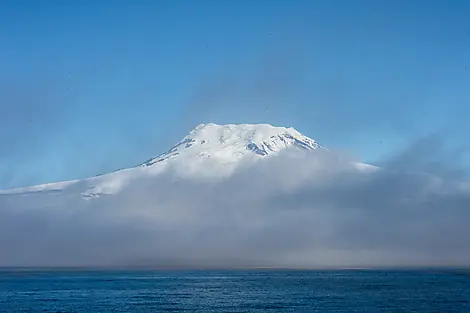
The island of Jan Mayen, belonging to Norway, lies hidden off Greenlandâs coastlines, lost between the Arctic Ocean and the North Atlantic Ocean. This small piece of land is inhabited by only a handful of Norwegian meteorologists. Tongues of ice descend from its volcanic summit, which culminates at 2,227 metres and is covered with a thick glacial coat. These tongues join the sea, between ranges of black volcanic rocks at times tinged with red. If the sky is clement, you will have the chance to glimpse the summit, decked out in magnificent light. The visit of a small fin whale will perhaps enable you to complete this memorable picture.
Day 8 - Ittoqqortoormiit Region
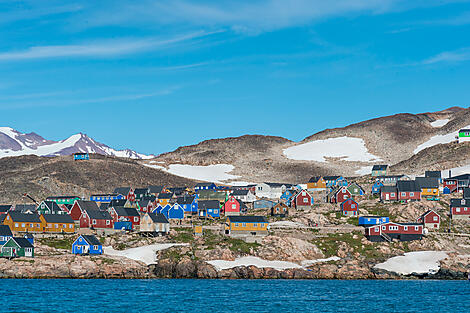
On the East coast of Greenland, in the Ittoqqortoormiit region, you will have the rare opportunity of immersing yourself in the heart of isolated scenery and exploring the beauty of its landscapes. The high alpine mountains stand out in the sky, revealing dark rock edges. The region is home to the longest fjord system in the world, Scoresby Sound. On the edge of the fjord, the eponymous village is considered one of the most remote inhabited places in the world. The colourful houses, so typical of Greenland, dot the landscape with small red, yellow and blue patches that stand out against the surrounding arid landscape. Immersing yourself in this region will allow you to discover the ancestral way of life of the last hunters of the polar region. This will be a veritable deep-dive into the lives of the Arcticâs inhabitants.
Day 9 - Scoresby Sound
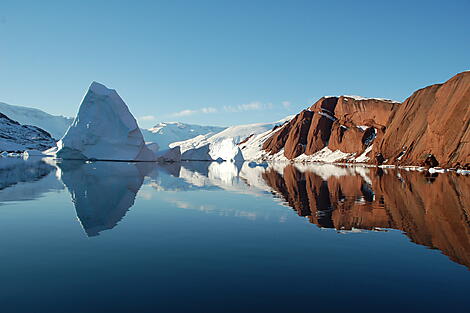
Covering an area of 13,700 km2 (5,290 mi2), Scoresby Sound is the largest and deepest fjord system in the world. Named after the explorer and whale hunter William Scoresby, who mapped the region in 1822, it opens onto the Greenland Sea to the north of the Blosseville Coast. This wild and desert region offers untouched panoramas of infinite beauty, with high snow-capped peaks rising tall alongside icebergs immersed in clear, blue-tinged waters. Discovering these stunning places in the wake of great explorers like Captain Charcot, who was deeply attached to the land of the Inuit, inspires a profound reverence.
Day 10 - At sea
During your journey at sea, make the most of the many services and activities on board. Treat yourself to a moment of relaxation in the spa or stay in shape in the fitness centre. Depending on the season, let yourself be tempted by the swimming pool or a spot of sunbathing. This journey without a port of call will also be an opportunity to enjoy the conferences or shows proposed on board, depending on the activities offered, or to do some shopping in the boutique or to meet the PONANT photographers in their dedicated space. As for lovers of the open sea, they will be able to visit the shipâs upper deck to admire the spectacle of the waves and perhaps be lucky enough to observe marine species. A truly enchanted interlude, combining comfort, rest and entertainment.
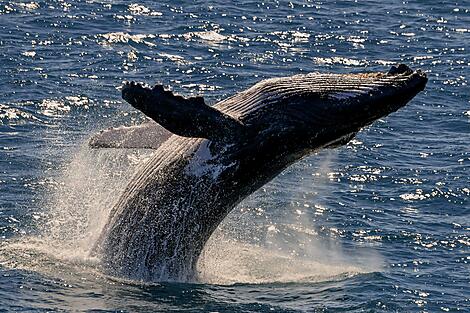
Day 11 - HúsavÃk
According to the Landnámabók, a manuscript describing the discovery of Iceland by the Scandinavians in the 9th and 10th centuries, HúsavÃk is the site of the first Nordic settlement in Iceland. This small fishing port very close to the Arctic Circle is known for being the place where there is the highest chance of spotting whales. A museum is even dedicated to them. The small town is also the ideal departure point for discovering Ãsbyrgi Canyon, a geological treasure that is the subject of Nordic legends. The horseshoe-shaped canyon is divided in two by a huge rock formation called Eyjan (island in Icelandic). Covered in trees, the canyon is said to have appeared when Sleipnir, the god Odinâs horse, set one of his eight hooves down on the ground.
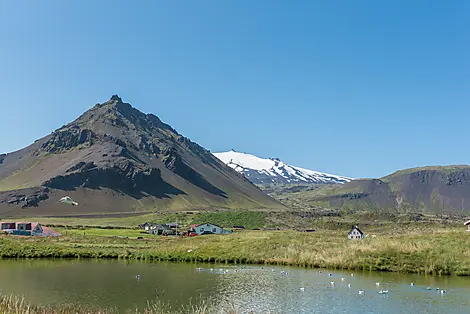
Day 12 - Grundarfjordur
This secret boreal hideaway is located at the foot of the Kirkjufell, on Snaefellsnes peninsula. Arriving by boat means you will get a closer view of the lava-stone rock standing like a sentinel at the entrance to the bay; Grundarfjörður lies sheltered behind this cone-shaped rock. A stoneâs throw from the jetty, crystal clear waters, tundra and beaches give onto the cerulean waters of Breiðafjörður. Scattered with its emerald-coloured lawns, this town, with its buildings that merge into the surrounding countryside, will most certainly win your favour.
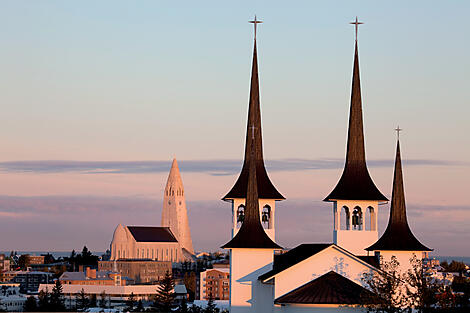
Day 13 - ReykjavÃk
Icelandâs capital stretches along the edge of a vast bay in the west of the country. Perlan, the âPearl of ReykjavÃkâ, a museum located on âOskjuhlið hill, offers a panoramic view of the lush, green landscapes. A little further, one can easily spot the signpost showing the way to the evangelical HallgrÃmskirkja church, and to the historical centre where one can stroll along the SkólavördustÃgur and the Laugavegur, two lively streets with charming small shops. For some relaxation just outside of the city, visitors have the opportunity to visit the Reykjanes peninsula and its famous thermal lagoons of the Blue Lagoon.
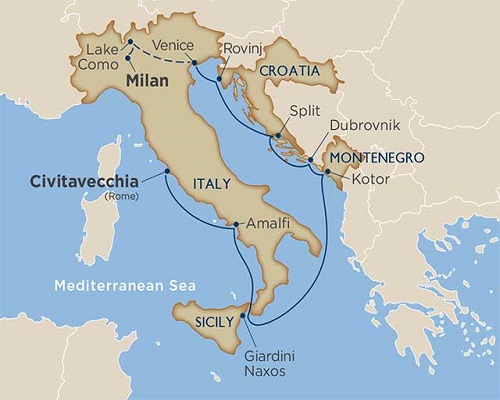
11 Days - Lake Como & Adriatic Romance Cruise Tour
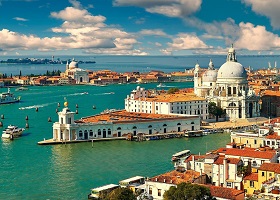
Cruise Line: Windstar Cruise
Ship: Star Explorer
Sailing Date: Aug 12 2027 To Oct 14 2027
Route: Venice to Rome
Duration: 10 Nights
A Voyage Along the Great Lakes - with Smithsonian Journeys
Cruise Line: Ponant Cruise
Ship: Le-Bellot
Sailing Date: Aug 21 2027
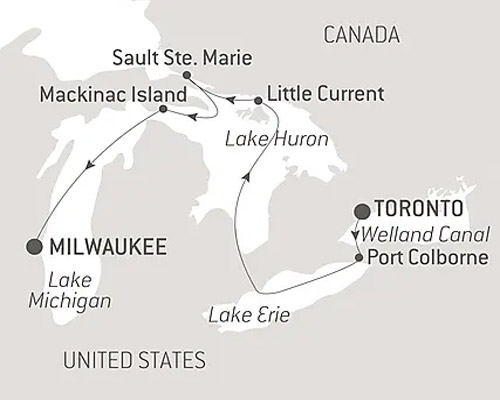
Route: Milwaukee - Toronto
Duration: 8 Nights
A Voyage Along the Great Lakes - with Smithsonian Journeys
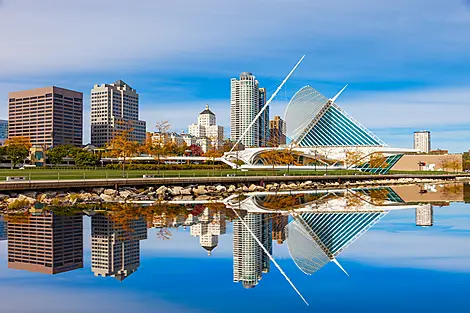
Day 1 - Milwaukee
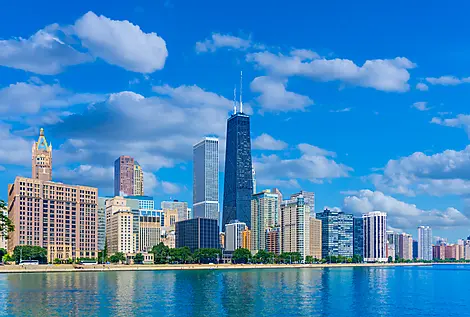
Nested on the shores of Lake Michigan, Milwaukee, the largest city in the State of Wisconsin, harmoniously combines tradition and modernity. Industrial long ago, the city, known as Brew City because of its old breweries renowned all over the world, is experiencing a certain renaissance. While warehouses have given way to restaurants, bars, theatres and art galleries in the city centre, the district still retains traces of its manufacturing past. Further south lies Chicago, the economic centre of the Midwest, with an interesting mix of natural and urban landscapes: its immense skyscrapers, diverse architecture, many parks and magnificent beaches make the city a popular destination.
Day 2 - Sailing Lake Michigan
You will sail the United Statesâ largest freshwater body, which gave its name to Michigan, one of the four states that border this lake measuring 500 km long and 200 km wide. The first colonists settled in the south at the end of the 17th century, on the site of the current megalopolis of Chicago. Wild landscapes of forests with sparkling colours, cliffs, golden sandy beaches and dunes as far as the eye can see stretch along its 2,600 km of shoreline. In the north, magnificent wind-swept islands rise out of the lakeâs emerald waters. At 8 km long, the Mackinac Bridge, which spans the straits between Lake Michigan and Lake Huron, is one of the worldâs longest suspension bridges.Â
Day 2 - Mackinac Island
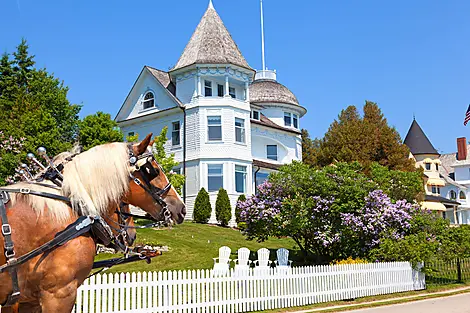
Close to the banks of Lake Huron in the State of Michigan, Mackinac Island promises a real journey through time. Originally inhabited by Amerindians, then occupied by French and British colonists, this small island measuring only a few km² still retains an atmosphere of yesteryear today, with its Victorian-style buildings and elegant horse-drawn carriages. Fort Mackinac, on the heights of the island, is a reminder of the conflicts that punctuated the history of this strategic place, a former fur trade centre. In addition to this scenery from the past, the island offers magnificent fine sandy beaches and is home to one of the oldest National Parks in the United States.
Day 3 - Sault Ste. Marie
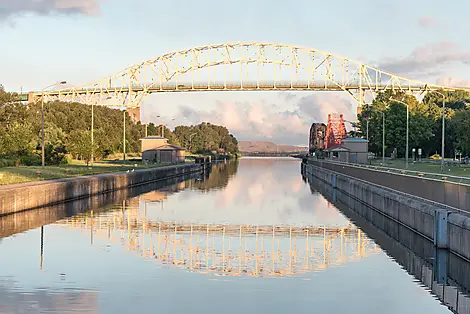
Located to the east of the Upper Peninsula of Michigan, Sault Ste. Marie is one of the oldest cities in the United States. Separated from its Canadian twin city by St. Marys River, it is famous among other things for its locks, known as either the Sault Locks or the Soo Locks, which enable ships to travel the metres in change in elevation between Lake Superior and the lower Great Lakes. These locks, which date back over 160Â years, are considered the most important in the world due to their shipping traffic. Make sure you visit the Museum Ship Valley Camp where you can visit the interior of a former freighter that sailed on the Great Lakes for more than 50 years.
Day 4 - Little Current
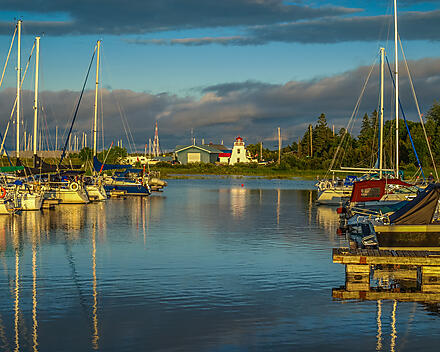
A small port town located along the North Channel of Lake Huron, Little Current is considered to be the gateway to Manitoulin Island, the largest freshwater island in the world. The townâs emblematic construction, the Little Current Swing Bridge built in 1913, provides the only land access to the island, peaceful lands whose name means âthe island of spiritsâ in the local dialect. A real haven of peace, sheltering wild nature and some hamlets, the place is ideal for outdoor activities such as horse-riding and hiking.

Day 5 - Sailing Lake Huron
A natural border between the American State of Michigan and the Canadian province of Ontario, Lake Huron is one of the five American Great Lakes and one of the largest freshwater lakes in the world. Comprising the main lake, Saginaw Bay, the North Channel and Georgian Bay, and home to around 30,000Â islands, it offers varied coastal landscapes and unique views. From your ship, youâll thus be able to admire the wild beauty of the wooded and at times craggy coastline of Manitoulin Island, or the spectacular cliffs of the Bruce Peninsular.

Day 5 - Sailing through Detroit
During your navigation along the Detroit River, an important commercial waterway linking Lake Erie and Lake St. Clair to Lake Huron, you will sail along the largest city in Michigan. Youâll then enjoy panoramic views over the skyscrapers of the former Motor City, jewel of the automotive industry, Fordism and Motown music in the 20th century. Youâll also be able to admire the Ambassador Bridge, which spans the river and enables access to Windsor, on the Canadian shore of the river. This steel suspension bridge, over two kilometres long, was constructed in 1929. This bridge alone carries over 25% of trade between the United States and Canada.
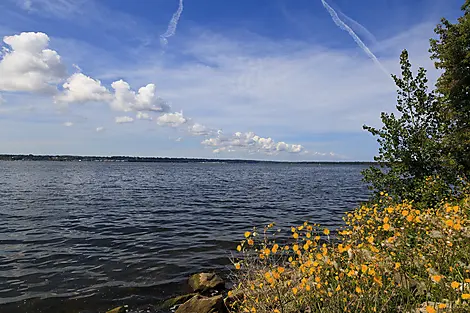
Day 6 - Sailing Lake Erie
Located to the south of Lake Huron and connected to Lake Ontario by the Welland Canal, Lake Erie, which owes its name to one of the Amerindian tribes which peopled its banks before the arrival of the French in the 17th century, is remarkable for its unique ecosystem. Its shallow fish-filled waters make it an excellent fishing spot, while its banks, famous for their many migratory birds, attract photographers and ornithology enthusiasts.
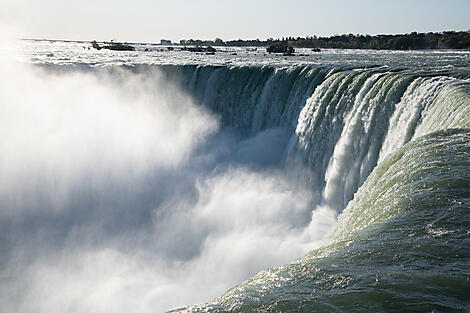
Day 6 - Port Colborne
Port Colborne is a small port city located in southern Ontario, at the mouth of the Welland Canal. It is well-known for one of the longest locks in the world: measuring 420Â metres, this lock, the 8th in the canal, has an observation footbridge and marks the final transit point before the Erie Canal. In addition to the discovery of this tremendous hydraulic infrastructure, this port of call will be your privileged access point to the famous Niagara Falls, renowned all over the world for their spectacular beauty. Located on the river of the same name, which means âwater thunderâ in Amerindian language, these wonders of nature are among the most powerful waterfalls in the world.
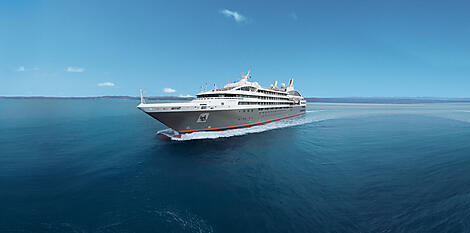
Day 7 - Going through the Welland Canal locks
More than 42 km long, the Welland Canal is part of the Saint Lawrence Seaway and enables ships to travel between Lake Erie and Lake Ontario. With eight locks today, this canal, whose first version dates from 1824, is considered to be one of the major technical constructions of the 20th century. Its completion revolutionised trade in the Great Lakes region by facilitating the transport of goods from the big industrialised cities of Chicago, Cleveland or Milwaukee to the Atlantic Ocean. Sailing along this technological masterpiece is a unique experience that will let you admire the different locks, real jewels of engineering, and enjoy the magnificent surrounding scenery.
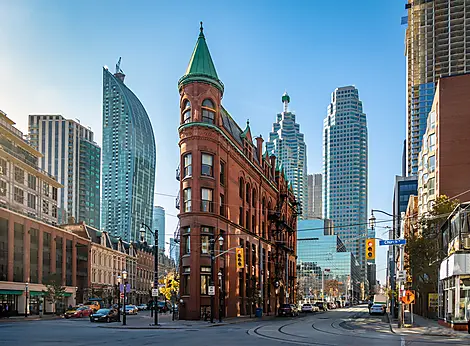
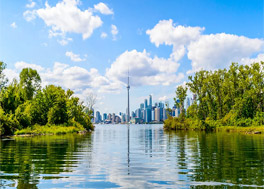
Day 8 - Toronto
The largest city in Canada and capital of the province of Ontario, Toronto fascinates as much by its incredible diversity as by its size. Make sure you visit the CN Tower, the tallest tower in the western hemisphere, as well as the St. Lawrence Market whose stalls reflect the multicultural wealth of this city known as the global city. Not far from there, the historic Distillery District unveils its brick-paved streets imbued with romantic charm and its myriad of small restaurants, cafés, boutiques, theatres and art galleries. The Royal Ontario Museum and its impressive collections devoted to the worldâs natural and cultural history will also be an unmissable stop during this port of call.
Scottish Isles and Norwegian Fjords Voyage - with Smithsonian Journeys
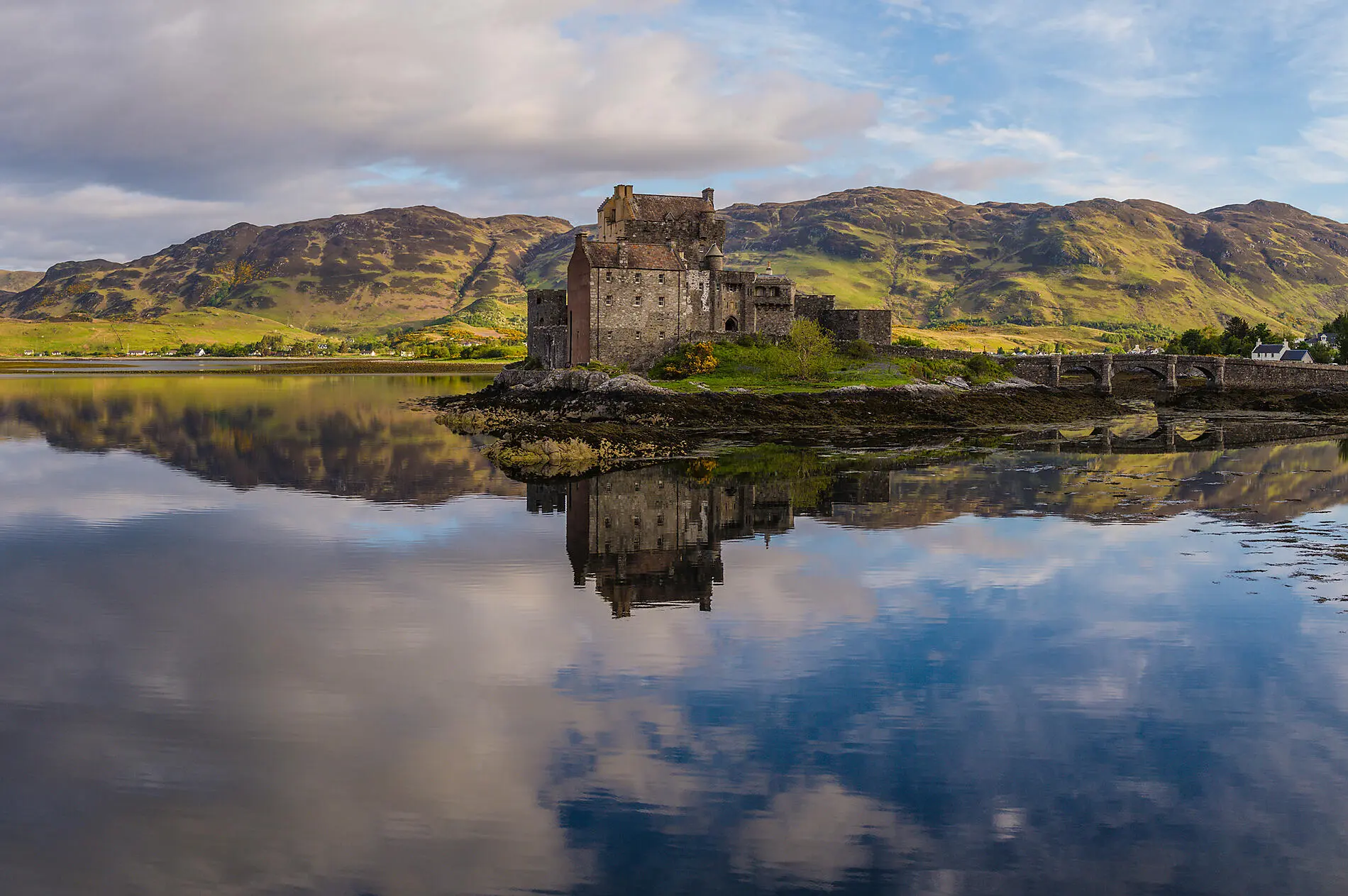
Cruise Line: Ponant Cruise
Ship: Le-Champlain
Sailing Date: Aug 27 2027 & Aug 26 2028
Route: Bergen (Norway) to Glasgow, Scotland
Duration: 7 Nights
toGlasgow,Scotland.webp "Scottish Isles and Norwegian Fjords Voyage - with Smithsonian Journeys")
Scottish Isles and Norwegian Fjords Voyage - with Smithsonian Journeys
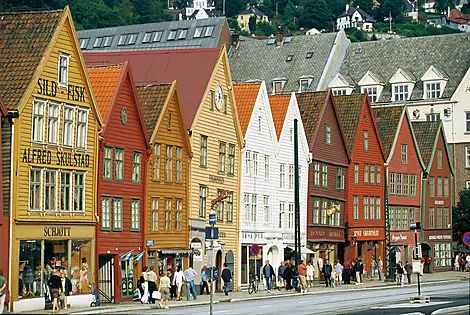
Day 1 - Bergen
Located at the end of Byfjord, Bergen was the capital of Norway in the 12th and 13th Centuries and has preserved some very beautiful monuments from the time when it was home to royalty. Wandering through Bergenâs streets means going back in time, in search of the hidden treasures that have been listed as World Heritage Sites by UNESCO. A veritable openair museum, Bergen is home to a thriving artistic community of painters, potters, jewellers. The Bergen cable car offers you a splendid panorama over the port and the surrounding fjords. Do not miss the visit to the old quarter with its narrow streets, a testimony of the power of the hanseatic League that controlled trade in Northern Europe at the end of the Middle Ages.
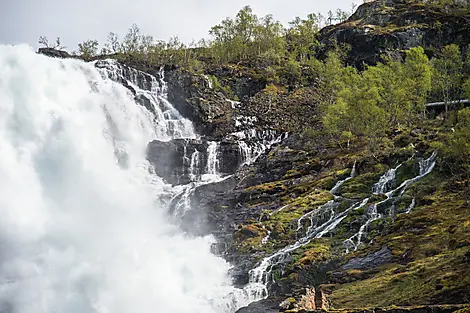
Day 2 - Flam
Nestled in the heart of the fjord country, less than 200 kilometres from Bergen, the picturesque village of FlÃ¥m â pronounced Flôm â offers you an experience of authentic Norway. You can mosey around the brightly coloured streets and admire the majestic contours of the surrounding mountains. The town is also the departure point for the mythical train route Flamsbana, 20 kilometres long, whose journey offers a superb view of the scenery, as sublime as it is pristine. This attraction makes FlÃ¥m one of the countryâs main tourist destinations.
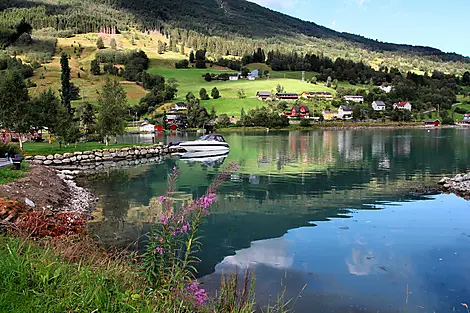
Day 3 - Olden
With its two wooden churches, one red and the other white, plus its breathtaking view of the mouth of the river Oldeelva, Olden looks just like a picture post card. Located a few kilometres from the Jostedalsbreen park, home to one of the last glacier polar icecaps, this little village is a definite must for exploring the blue languages of the Briksdal or Kjennalen glaciers. Make sure you find some time to visit the Norwegian Glacier Museum. Absolutely amazing. Another gem is lake Lovatn and its turquoise waters inviting you to quiet contemplation.
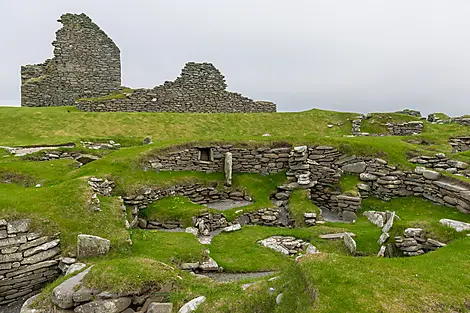
Day 4 - Lerwick, Shetland Islands
The small and charming capital of the Shetland Islands, with its sea front of old houses and narrow streets, offering travellers its old districts and a warm port atmosphere. Geopark Shetland, a UNESCO World Heritage Site, is located to the north. Incredibly well-preserved archaeological sites and ruins prove that the islandsâ occupation dates back to the first Neolithic colonies. The Shetland Museum and Archives recounts the Shetlandsâ history of heritage and culture: Lerwickâs abundant waters were even fished by the Dutch in the past.
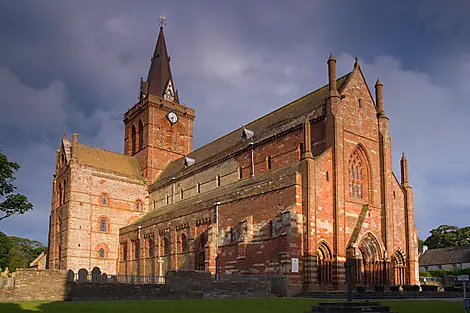
Day 5 - Kirkwall, Orkney
Capital of the Orkney archipelago, Kirkwall, which means âchurch bayâ, is an ideal stopover before continuing on to the Northern Isles. Sheltered in a wide bay, the lively town welcomes the visitor with its charming paved alleyways edged by old houses and craft shops. Tankerness House, the oldest homestead in the town, is a must-see landmark. But the true architectural treasure of the aptly named Kirkwall is none other than its remarkable red and gold stone cathedral. And because whisky is inseparable from Scotlandâs identity, stop at the Highland Park Distillery for a highly instructive visit.
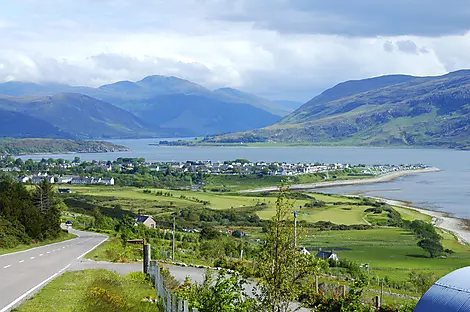
Day 6- Portree, Isle of Skye
Nestling in the crux of a gorgeous bay, Portree reflects the magnificence of the grandiose Isle of Skye as well as being its main town. Apart from the charm of its colourful houses, the townâs outstanding location on the banks of a loch makes it a very pleasant place to be. From its colourful harbour bustling with local craftsmenâs shops, you can take in a stunning view of the surrounding hills. Before trekking through the wilderness and drinking in the natural beauty of the Isle of Skye, check out some of the beautiful images in the Aros Centre.
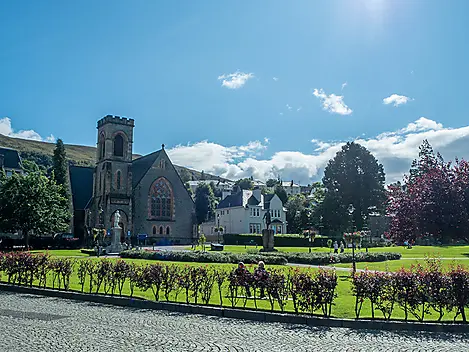
Day 7 - Fort William
A port town on the eastern shore of Loch Linnhe, Fort William is sometimes described as the "Outdoor Capital of the UK." Because it sits at the base of Ben Nevis, the highest peak in the British Isles, and is in close proximity to the dramatic landscape of Glencoe, it is a popular destination for hikers and rock climbers. For those looking for a less adventurous experience, the nearby Ben Nevis Distillery offers tours and tastings, and Old Fort and Old Inverlochy Castle are interesting historical sites.
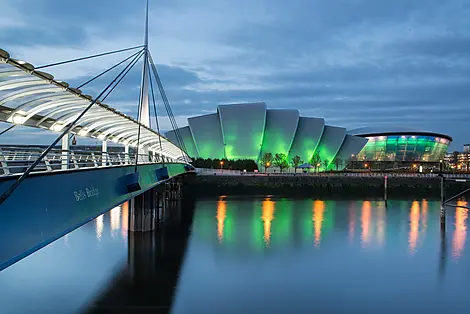
Day 8 - Glasgow, Scotland
In the heart of the Clyde Valley, the bustling city of Glasgow contrasts starkly with the wild beauty of the surrounding countryside. Scotland's biggest city overflows with landmarks from its extensive artistic heritage and outstanding architectural tradition. The city's chequerboard layout makes walking through the major pedestrian thoroughfares easy: go with the flow and let the lively street atmosphere take you past the many Victorian monuments. Don't miss the collections on display in the numerous museums and art galleries. The Kelvingrove Art Gallery and Museum is an outstanding example.
Four Arctic Islands: The Southbound Journey
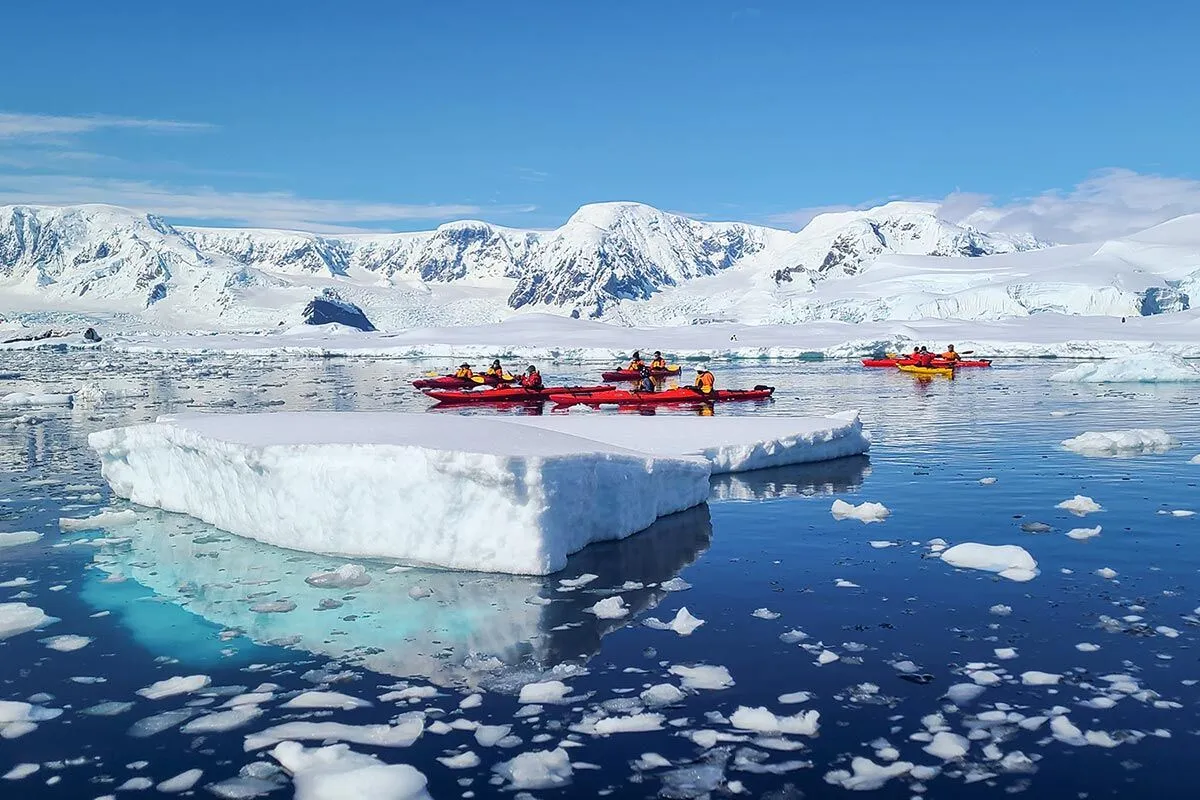
Cruise Line: Polar Latitudes Expeditions
Ship: Ocean Albatros
Sailing Date: Aug 29 2027 To Sep 14 2028
Route: Longyearbyen to Reykjavik
Duration: 12 Nights

Four Arctic Islands: The Southbound Journey
Day 1
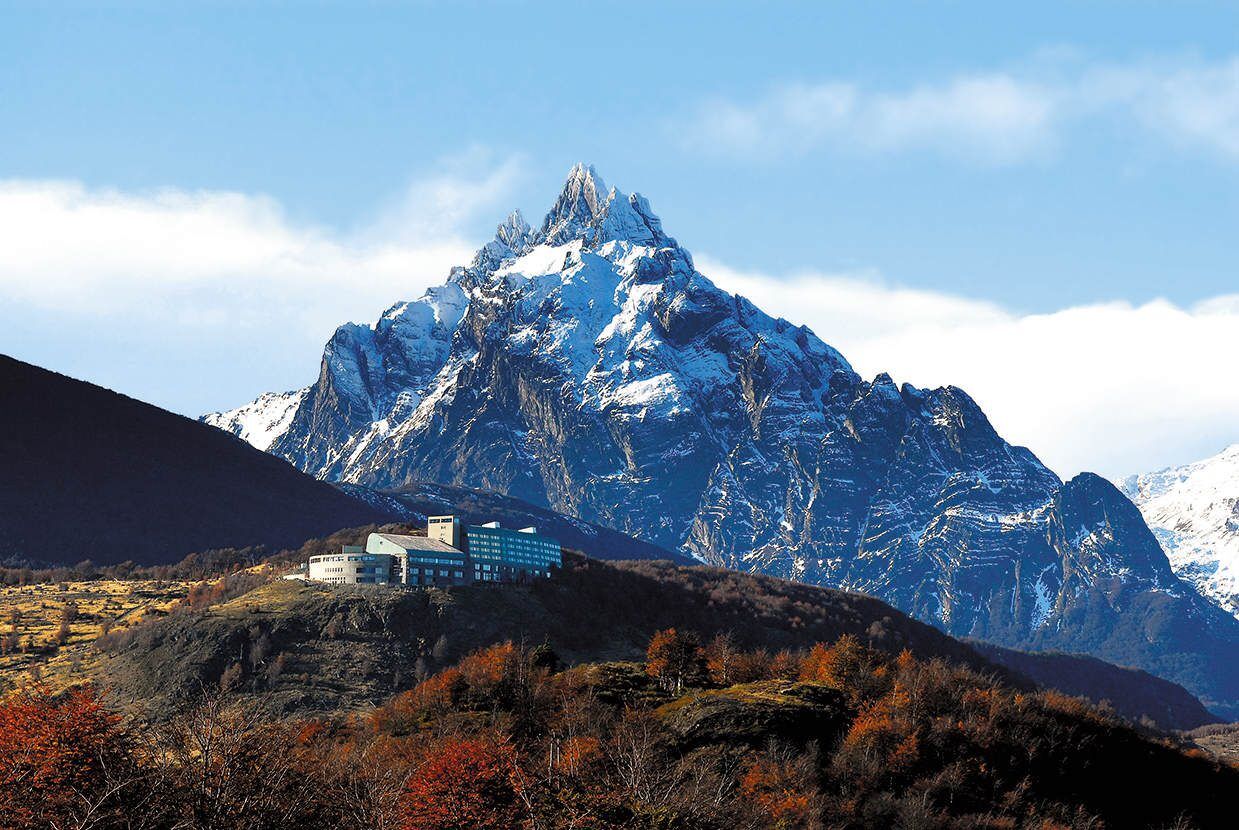 All Aboard in Longyearbyen!
Arrive in Longyearbyen, Svalbardâthe northernmost town on Earth. Despite its remote Arctic location, Longyearbyen offers warm Nordic hospitality. Upon arrival, youâre greeted by crisp polar air, dramatic mountain views, and a polar bear warning sign reminding visitors of their wild new location. Your expedition ship Ocean Albatros awaits you in the harbor; toast your departure from civilization as you sail into the Arctic wilderness, on course for adventure!
Day 2
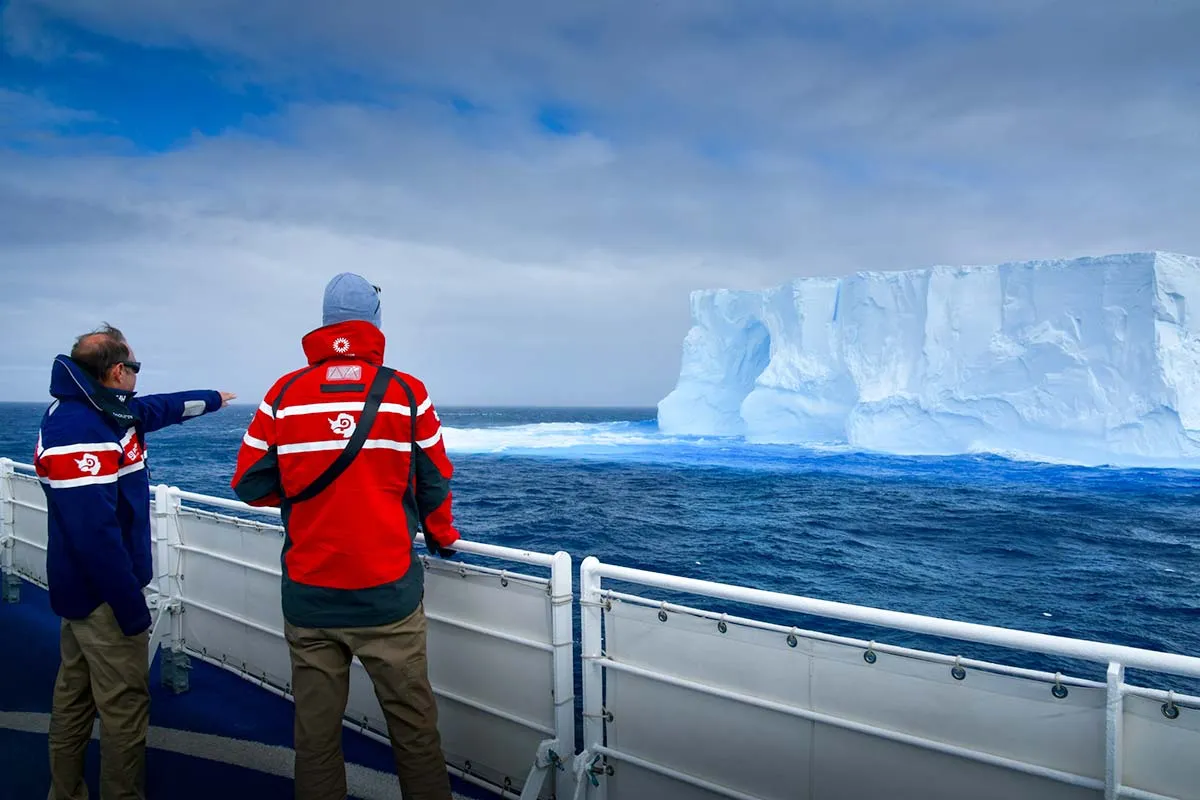 Kongsfjorden Area
During the Arctic ânight,â we sail past Prins Karls Forland to the stunning Kongsfjord, framed by glaciers and the dramatic Three Crowns mountains. The first stop is Ny-Ã
lesund, Earthâs northernmost settlement, known for its scientific stations and historic role as a base for legendary polar explorers like Amundsen and Nansen. This remote outpost continues to support vital research amid its breathtaking surroundings.
Day 3
 Expedition Northwest Spitzbergen
Northwest Svalbard, a National Park since 1973, preserves a rich history of early Arctic exploration and whaling. First visited by William Barents in 1596, the area became a hub for Dutch and English whalers, whose haunting remnants, such as the blubber ovens and graves of young sailors at Smeerenburg, remain visible. Now heavily protected, the region has been reclaimed by nature, hosting Arctic flowers, seabirds, walrus, and polar bears, making it once again a pristine wilderness and haven for wildlife.
Day 4
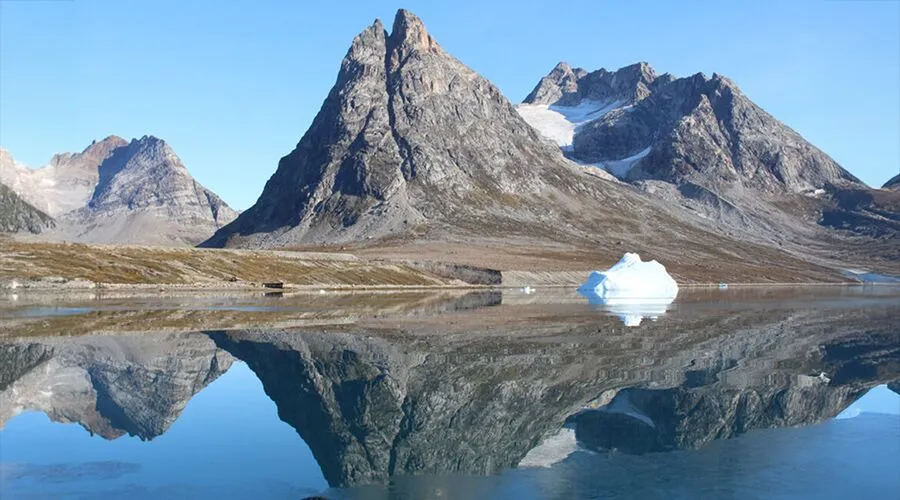 Expedition South Svalbard
On our final day on Svalbard, our expedition enters the greener, warmer fjords of Bellsund and Hornsund, nourished by Atlantic currents. These fertile valleys support reindeer, Arctic foxes, nesting seabirds, and drifting icebergs from nearby glaciers. Rich in wildlife and history, the area offers highlights like Alkhjornetâs bird cliffs and the historic sites of Calypsobyen and Bamsebu, making it one of Svalbardâs most diverse and captivating regions.
Day 5 & 6
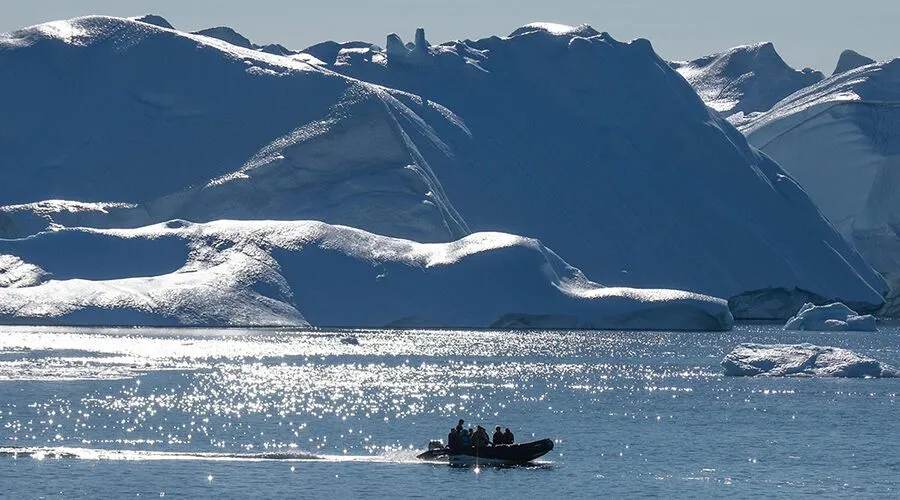 At Sea, En Route to Jan Mayen
Departing Svalbard, Ocean Albatros heads southwest across the Greenland Sea towards Jan Mayen. Cold currents drifting down from the Arctic Ocean mix with the last gasp of the Gulf Stream, creating vast biological productivity. During sea days, guests can enjoy fascinating lectures, indulgent spa treatments, or simply relax and watch seabirds from the shipâs hot tubs.
Day 7
 Jan Mayen
The active volcanic island of Jan Mayen is on the Mid-Atlantic Ridge, the âspineâ of the Atlantic Ocean. This enigmatic and isolated island is the only active volcano in Norway, and the northernmost active volcano on Earth. Jan Mayen is inhabited by only around 18 people, a mixture of scientists and Norwegian troops. The volcanic origin is visible all over with cinder cones, lava flows, and the Fuji-esque peak of Beerenberg looming above, while creeping tundra plants and squabbling seabirds eek out a living in the rugged cliffs.
Day 8
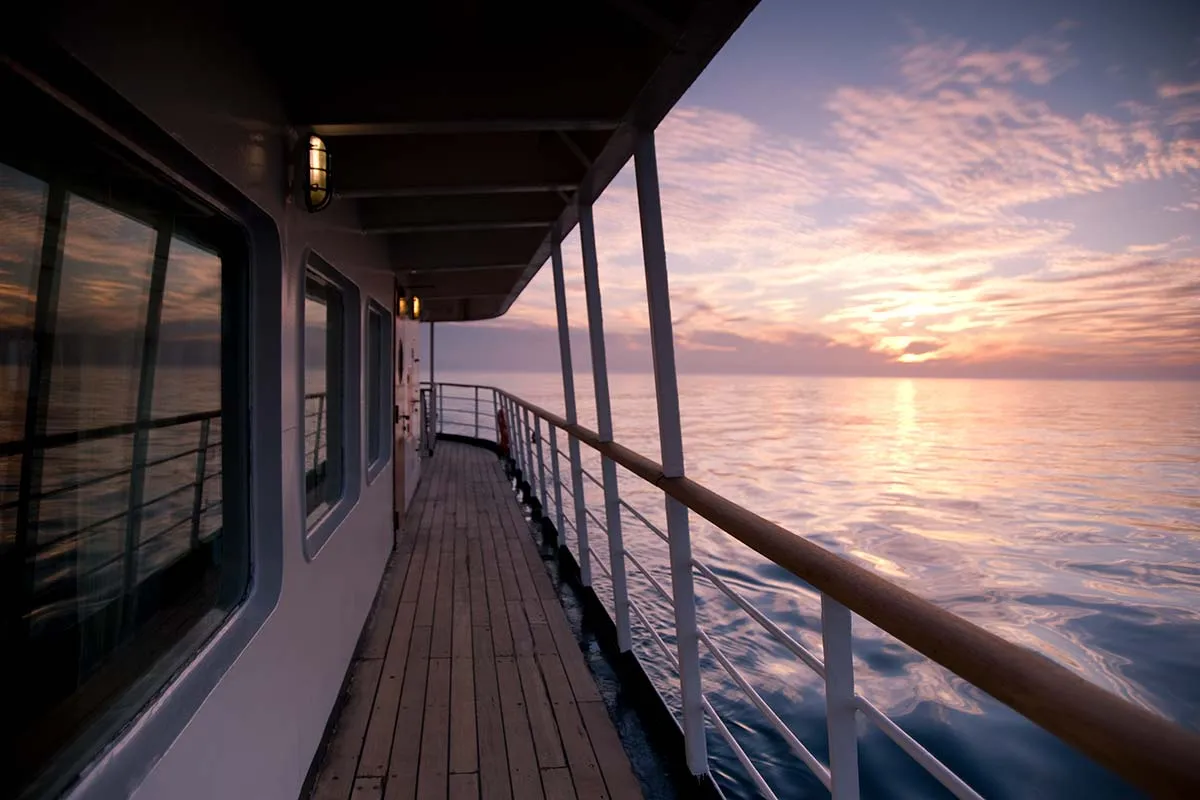 At Sea, En Route to Scoresbysund
From Jan Mayen, Ocean Albatros will sail on towards the coast of the largest island on Earth. The sea ice in East Greenland is some of the most persistent in the Arctic; even in midsummer, the coast can be icebound, creating the perfect habitat for ice-loving species such as polar bears and belugas. If we are lucky, we will catch a glimpse of this vast icy wilderness during our passage towards Scoresbysund.
Day 9
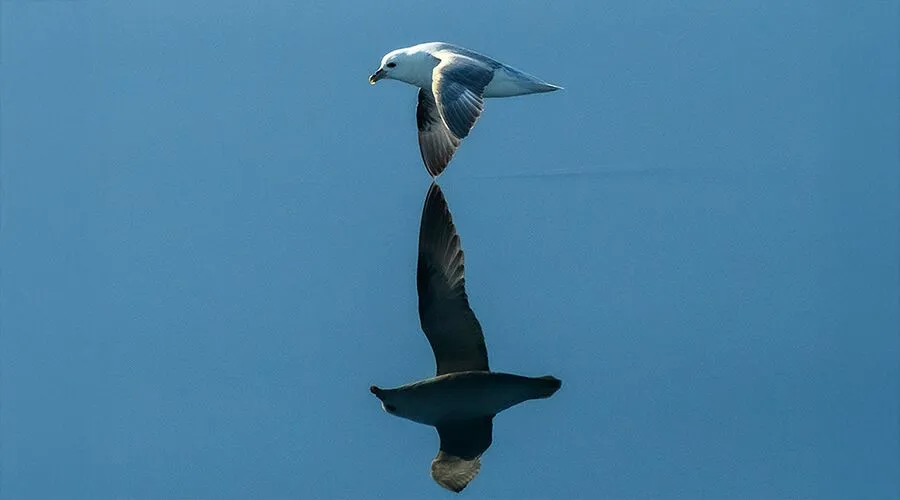 Tasermiut and Uunartoq
Tasermiut Fjord is known for its towering granite cliffs and fertile valleys. Once called Ketilâs Fjord by Norse settlers, itâs now popular with elite climbers and hikers. Later, we sail to Uunartoq Island to relax in geothermal springs with views of drifting icebergs â an experience unmatched even by Icelandâs legendary spas!
Day 9
Ittoqqortoormiit
The only settlement in this region, Ittoqqortoormiit is among the most remote communities on Earth. While the establishment of the town by Danish authorities in 1925 was challenging, residents continue a subsistence hunting lifestyle, essential when supply ships arrive only once or twice per year. Ittoqqortoormiit is a town with a strong sense of community and traditional culture, hosting an excellent museum, a beautiful traditional church, and locals often welcome visitors wearing colourful traditional costumes. Ittoqqortoormiit is the perfect introduction to the culture and lifestyle of Greenland.
Day 10
Expedition Scoresbysund
Venturing deep into the maze of fjords and islands that comprise Scoresbysund, it is easy to see why this region is spoken of with awe by even experienced explorers! The exact locations we visit in Scoresbysund will be dictated by Mother Nature â this far north, all human activity is subject to wind, sea, and ice conditions. Options include the Bjørne Islands, a labyrinth of skerries which trap vast icebergs in their rocky net, the sweeping basalt mountains of Cape Brewster, and the abandoned remains of European and Inuit settlements. Wherever we visit in the depths of Scoresbysund, adventure is guaranteed!
Day 11
Blosseville Coast
The Ocean Albatros will sail south along Greenlandâs Blosseville Coast, a rugged landscape shaped by volcanic activity around 50 million years ago. First surveyed by explorer Ejnar Mikkelsen, this area has long been navigated by the Inuit. If conditions allow, we may land in this now-uninhabited region of breathtaking beauty.
Day 12
At Sea, En Route to Reykjavik, Iceland
During our time at sea approaching Reykjavik, relax and reflect on your thrilling Arctic adventure. Attend final lectures from the Expedition Team, relive your adventure at the voyage slideshow, and celebrate your voyage with new friends at the Captainâs Farewell Cocktail Party.
Day 13
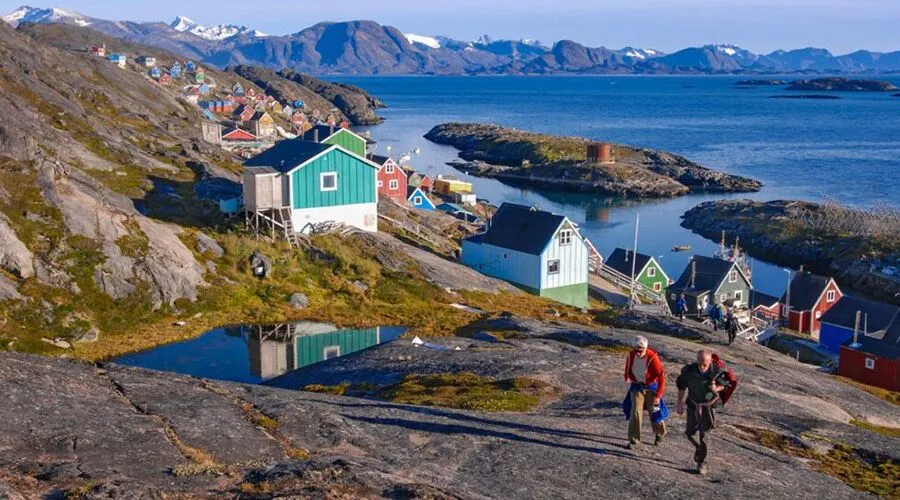 Reykjavik, Iceland
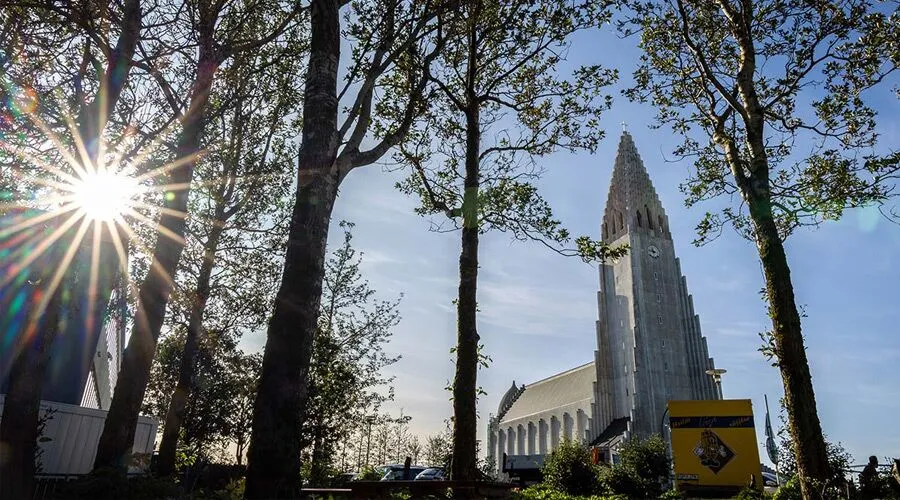
HallgrÃmskirkja Church towers over Reykjavik, a vibrant city known for Nordic cuisine, unique museums, and excellent shopping. Such a bustling capital may feel strange after the remote wilderness of the Arctic! After a hearty breakfast, it is time to bid a fond farewell to the Crew and Expedition Team, and descend the gangway back to dry land with memories of the voyage of a lifetime.
Disko Bay and Inuit villages
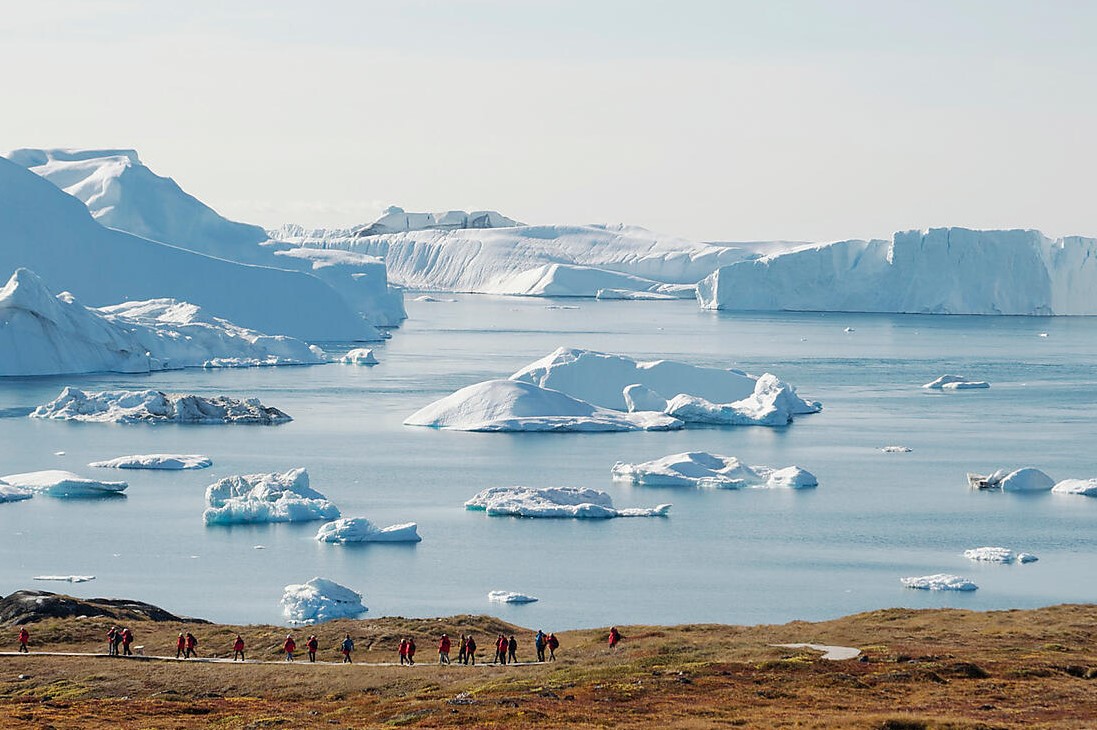
Cruise Line: Ponant Cruise
Ship: Le-Lyrial
Sailing Date: Sep 02 2027 & Aug 30 2028
Route: Nuuk to Nuuk
Duration: 7 Nights
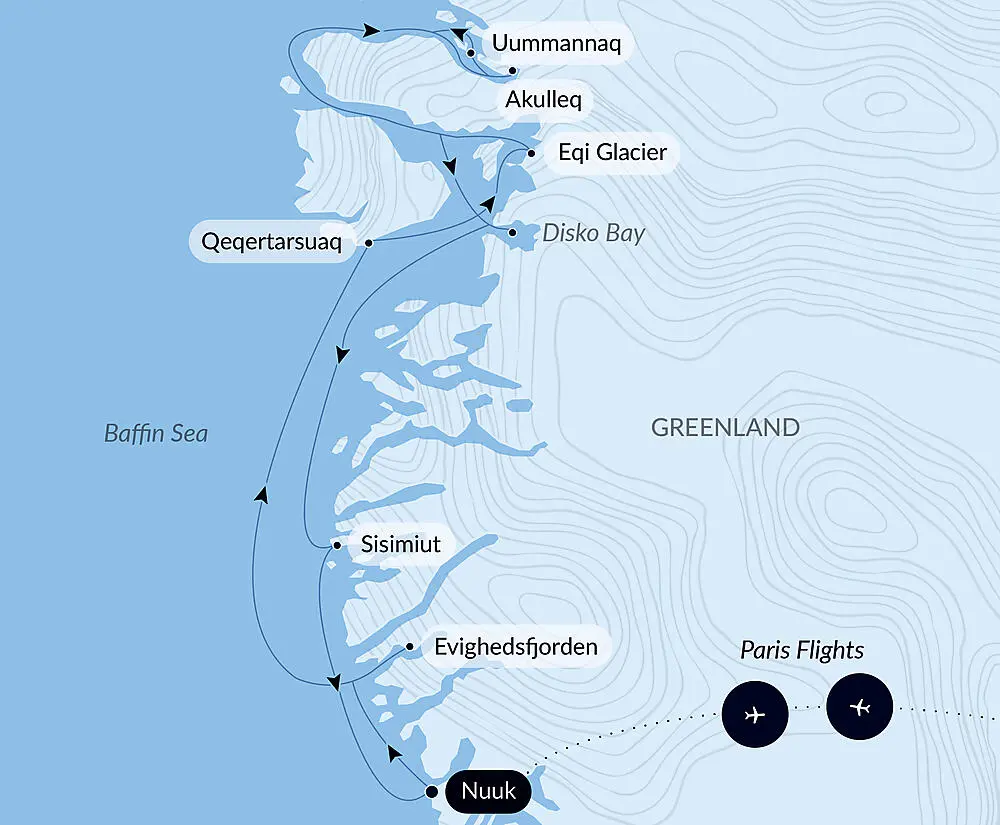
Disko Bay and Inuit villages
Day 1 - Nuuk
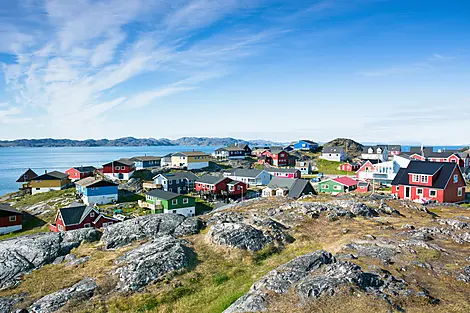
When Erik Le Rouge, the exiled Norse chief, landed on the coast of Nuuk, he found a fertile and welcoming land dotted with fjords. He settled there with a group of his former countrymen, and the Norse remained the principal inhabitants until, over a period of 500 years, their population declined and gave way to the Inuit. Nuuk is situated at the mouth of one of the largest networks of fjords in the world, where the waters never freeze. The town spreads gently out towards the Davis Strait and enjoys an historic center that is particularly rich in national heritage. The vivid reds, blues, greens and yellows of the houses are a lively contrast to the somber waters of Greenland and serve to lift the spirits of the locals during the Winter months.
Day 2 - Evighedsfjorden
Your ship glides slowly along the water towards the west coast of Greenland, to enter Evighedsfjorden, just a few kilometres south of Kangerlussuaq. Evighedsfjorden means â the fjord of Eternityâ, and for good reason: just when you think youâve reached the end of this stretch of sea measuring over 100Â kilometres in length, it seems to go on forever, as though to bring even more pleasure to those sailing in it. The spectacular scenery ranges from glaciers to tundra with an abundant flora, and jagged cliffs where numerous bird species have taken up residence. Take the time to observe the white-tailed eagles and the colonies of seagulls and black-legged kittiwakes flying overhead in the area.
Day 3 - Qeqertarsuaq
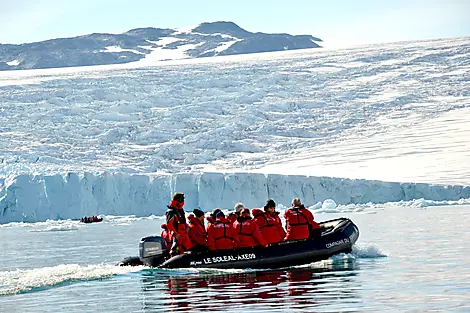
On the southern coast of Disko Island, Qeqertarsuaq is one of just two small villages on this island the size of Corsica . Its isolation makes it an observation post popular among naturalists since the beginning of polar exploration and the set-up, in 1906, of the Arctic Centre research facility. During a zodiac cruise you will have the chance to explore the natural wonders of Greenland, meet its wildlife such as the humpback whale and contemplate the basaltic organ landscapes that offer pure moments of wonder for you. In the heart of this spectacular and fragile nature, enjoy the breath-taking views of the grandiose and varied landscapes of Disko Island and Disko Bay.
3 available excursions
Heimaey, Pompeii of the North, Eldfell volcano hike, Circumnavigation of Heimaey
Day 4 - Paul-Emile Victor Base Camp, Eqi Glacier
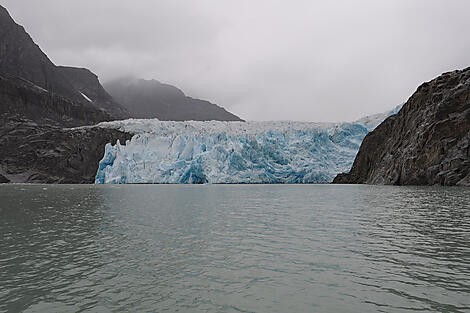
The most beautiful place in the Arctic" is how Paul-Ãmile Victor described Greenland, a land of great icebergs and of towering ice formations calved by the giant glaciers of the polar ice cap. The Eqi Glacier is one of the regionâs most impressive sights. Here, the silence is broken only by the roaring and cracking of the ice. It is impossible to know if one is shivering from cold or from the sheer thrill of being here... Imagine the vast outline of a glacier, its translucent crystals glowing with an ice-blue fire in the sunlight. Paul-Ãmile Victorâs shelter cannot be overlooked; it was from here that the French Polar Expeditionsâ anthropological and geographic explorations set off in the 1950s.Â
Day 5 - Akulleq
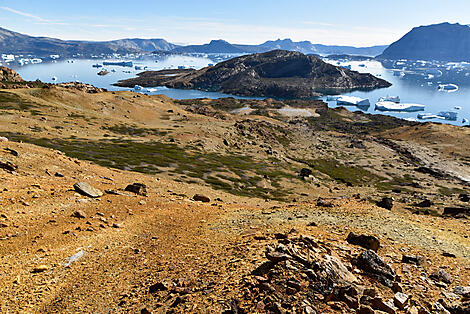
In the curve of Uummannaq Bay, opposite a narrow passage between two islands, you will discover the moonscape of the small desert island of Akulleq. The ochre yellow and orange of this mineral site look ablaze under the sunshine of the polar summer. From the islandâs summit you will be able to contemplate a panoramic view of the bayâs magical landscape and its huge icebergs with surprising shapes.
Day 6 - Uummannaq
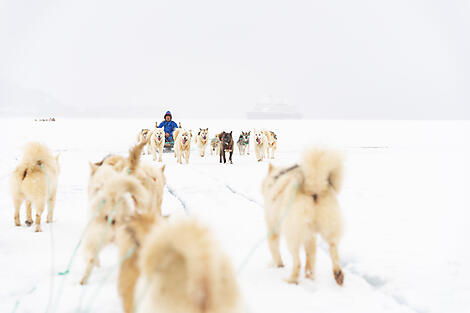
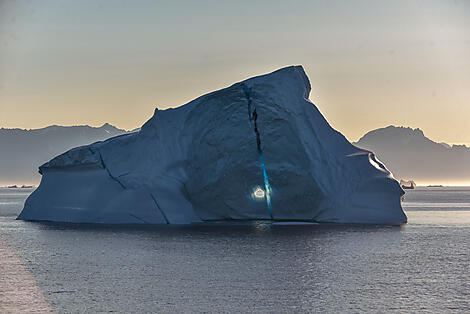
The âheart-shapedâ rock overlooking it is what inspired the name of the island and village of Uummannaq, where the locals will welcome you with their incredible sense of hospitality and humour, essential to their survival in these northern lands. Seven Inuit villages also dot this territory where people still get around on dog sleighs or in kayaks. Mingling tradition, respect for nature and modernity, the authentic and lively atmosphere that reigns nowadays in this region inhabited since the 15 th century will win over visitors, as will the magnificent landscapes that compose it, a mix of peninsulas and of peaks standing more than 2,000 metres tall.
Day 7 - Disko Bay
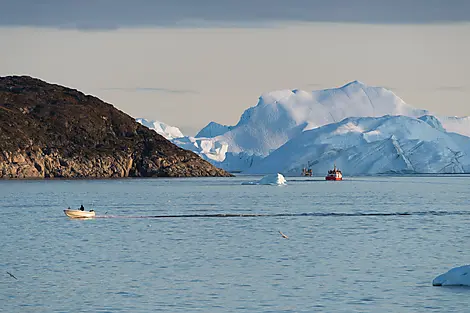
To the east of Baffin Bay, discover Disko Bay, scattered with countless icebergs produced by the Ilulissat Icefjord, a UNESCO World Heritage Site. From your ship, admire the majestic ballet of these ice giants as they slowly drift across the dark waters. This site is a natural marvel of Greenland, and is also renowned as an observation point for the regionâs many humpback whales. The encounters with wild fauna and stunning landscapes in the heart of this spectacular and fragile nature will be pure moments of wonder for you.
Day 8 - Sisimiut
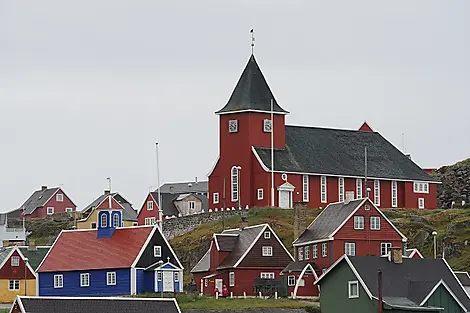
During your cruise, we invite you to discover Sisimiut, founded in 1756 and the second largest town in Greenland. This small town is typical of Greenland, boasting bewitching panoramas: here and there, colourful stilt houses dot the undulating landscape, and the small fishing port stands as the gateway to an icy realm. As for the town centre, it is home to a number of historic buildings, a small church and a museum which retraces the history of the Inuit people, as well as many craft shops. When your ship drops anchor here, you will set out to meet the locals in a typically arctic atmosphere.
Day 9 - At sea
During your journey at sea, make the most of the many services and activities on board. Treat yourself to a moment of relaxation in the spa or stay in shape in the fitness centre. Depending on the season, let yourself be tempted by the swimming pool or a spot of sunbathing. This journey without a port of call will also be an opportunity to enjoy the conferences or shows proposed on board, depending on the activities offered, or to do some shopping in the boutique or to meet the PONANT photographers in their dedicated space. As for lovers of the open sea, they will be able to visit the shipâs upper deck to admire the spectacle of the waves and perhaps be lucky enough to observe marine species. A truly enchanted interlude, combining comfort, rest and entertainment.
Day 10 - Nuuk
When Erik Le Rouge, the exiled Norse chief, landed on the coast of Nuuk, he found a fertile and welcoming land dotted with fjords. He settled there with a group of his former countrymen, and the Norse remained the principal inhabitants until, over a period of 500 years, their population declined and gave way to the Inuit. Nuuk is situated at the mouth of one of the largest networks of fjords in the world, where the waters never freeze. The town spreads gently out towards the Davis Strait and enjoys an historic center that is particularly rich in national heritage. The vivid reds, blues, greens and yellows of the houses are a lively contrast to the somber waters of Greenland and serve to lift the spirits of the locals during the Winter months.
3 available excursions
Sky Lagoon & Saga Museum, Volcanic landscape & viking history, Extension: Waterfalls & Glacier
Complete East Greenland
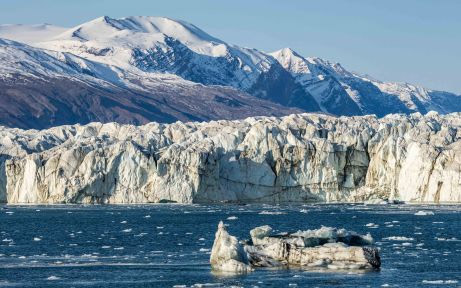
Cruise Line: Albatros Expeditions
Ship: Ocean Albatros
Sailing Date: Sep 17 2027
Route: Reykjavik, Iceland to Reykjavik, Iceland
Duration: 11 Nights

Odyssey in the heart of Japan's subtropical islands[Keelung- Osaka]
![Odyssey in the heart of Japan's subtropical islands[Keelung- Osaka]](/images/packages/Odyssey-in-the-heart-of-Japan.jpg "Odyssey in the heart of Japan's subtropical islands[Keelung- Osaka]")
Cruise Line: Ponant Cruise
Ship: Le-Jacques-Cartier
Sailing Date: Sep 20 2027
Route: Keelung (Chilung) (Taiwan) to Osaka (Japan)
Duration: 9 Nights
![Odyssey in the heart of Japan's subtropical islands[Keelung- Osaka]](/images/packages/extraimages/9836_Osaka-Keelung.jpg "Odyssey in the heart of Japan's subtropical islands[Keelung- Osaka]")
Odyssey in the heart of Japan's subtropical islands[Keelung- Osaka]
Ports of Call & Excursions
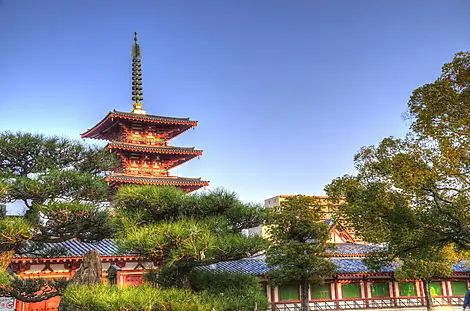
Day 1 - Keelung (Chilung)
On the north-east tip of Taiwan, the harbour city of Keelung stands on one of the most beautiful coasts on the island. Nearby is the spectacular natural park of Yehliu, famed for its striking rock formations. It's easy to tour the city's historical sites on trails that cross the lush green hills surrounding the harbour from Chung Cheng Park to Fort Ershawan, you can enjoy superb views of Keelung and the coastline. But the main attraction is the Miaokou night market, where you can taste some typically Taiwanese culinary delights.
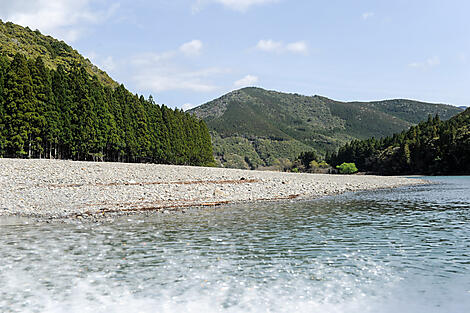
Day 2 - Ishigaki
Located to the south of the main island of the Yaeyama archipelago, Ishigaki boasts all the aspects of an authentic piece of paradise. You have guessed it, you do not come here for its skyscrapers but for its pure emerald waters and idyllic beaches. The waters off Shiraho, on the island's south-west coast, have one of the largest areas of blue coral in the world.
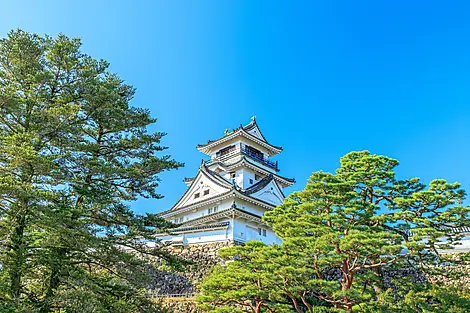
Day 3 - Miyakojima
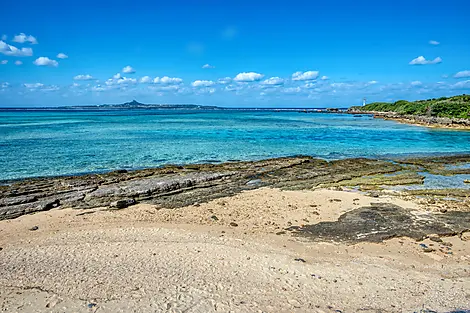
Situated between the East China Sea and the Philippine Sea, Miyakojima is the main island of the Miyako Islands, in the Sakishima archipelago. The fourth largest island in the Okinawa prefecture, it is known for its many sugar cane plantations and some of Japanâs most beautiful beaches.
Day 4 - Naha, Okinawa
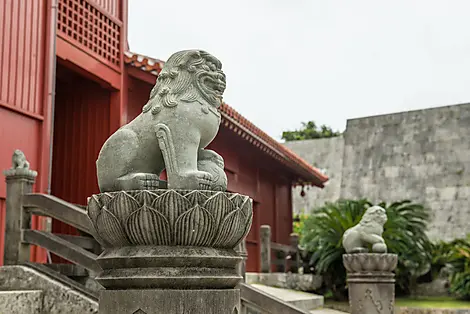
Capital of Okinawa Prefecture, the town of Naha is located on the south-west of the island. You will love its lively atmosphere, particularly along Kokusai Dori, otherwise known as 'international street'. The picturesque Makishi Public Market, nicknamed 'Naha's kitchen' offers a profusion of colourful fish, Okinawan foodstuffs and local spices and you can sample delicacies cooked on the spot.
Day 5 - Motobu, Okinawa
To the north of the island of Okinawa, lying between the azure ocean and lush hills, Motobu inspires contemplation. This Japanese paradise, far off the beaten track, unveils landscapes steeped in poetry. A setting of pristine nature, with Mount Yae as a backdrop, Motobu reveals itself through its white sandy beaches and its wild and preserved Yambaru forest, home to a rare wealth of fauna and flora. Travel back into Okinawaâs fascinating past by discovering the Nakijin Castle site, a UNESCO World Heritage Site, followed by a walk through the historic district of Bise, renowned for its impressive green tunnels.
Day 6 - Miyanoura, Yakushima
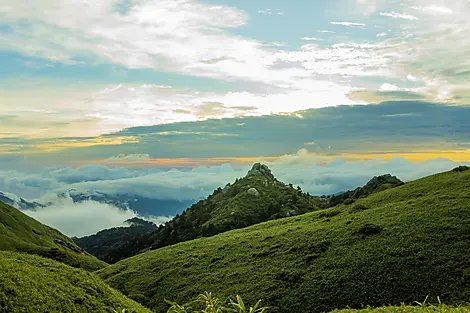
Yakushima is a striking island in the South of Japan, covered in forest and listed as a UNESCO World Heritage Site. Hikers are very fond of this destination because of the lush vegetation, Mount Miyanoura, the waterfalls and cascades. But without a doubt, the symbol of the island remains its many age-old cedar trees which is said to have inspired some of the scenes in the animated film Princess Mononoke. On this island, you will also find wildlife including the Japanese macaque, the sika deer, and green sea turtles which lay their eggs on the magnificent sandy beaches here.
Day 7 - Kagoshima
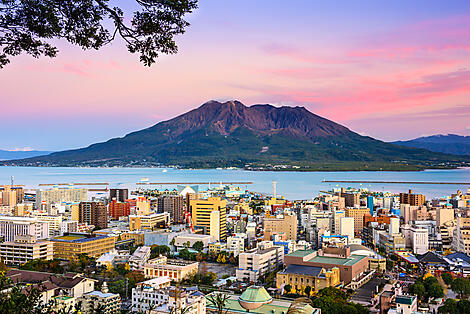
The seaside city of Kagoshima, at the south of Kyushu Island, ï¾ is best known for Sakurajima, an active volcano that faces Kinko Bay. A visit to this busy metropolis will remind you just how much the volcano is part of the inhabitants' everyday life: in the wake of the almost daily eruptions, a delicate layer of ash settles on everything. The top of a buried torii (traditional Japanese gate) measuring three metres that was 'swallowed up' by a giant lava flow in 1914 can still be seen. The power of nature will send a shiver down your spine.
Day 8 - Kochi
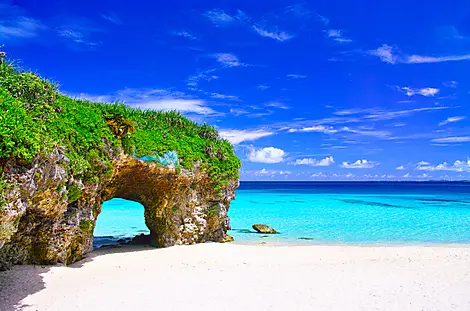
The fourth largest island in the Nippon archipelago, Shikoku, is also the best preserved. Here, forests and oceans stretch as far as the eye can see. On the southern coast of the island, Kochi, the tranquil metropolis will quietly welcome you. You can enjoy a lively town, with many commercial centres and restaurants. On the menu, katsuo tataki, a local speciality with delicately grilled fish. But Kochi, overlooked by the benevolent shadow of its castle, also invites you to explore its magnificent Katsurahama beach, its museums and Buddhist temples, the site of a famous annual pilgrimage.
Day 9 - Shingu
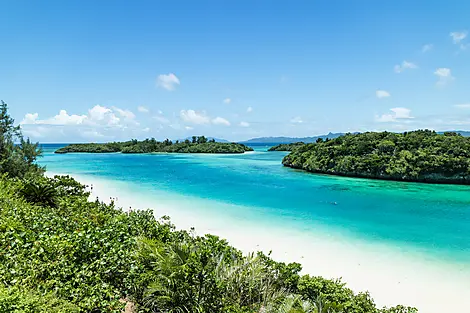
To the south-west of the Japanese archipelago, Shingu is a port town in the Kansai region. Founded in 1933, it belongs to the peninsula of Kii, the countryï¾s largest. Take a trip around the Kumano Sanzan religious complex dedicated to three sacred mountains and home to two Shinto temples, Kumano Hong? Taisha and Kumano Hayatama Taisha.ï¾ The latter features the famous sacred nagi tree, said to have been planted around 1159. Pilgrims flock to these two sanctuaries that feature on UNESCO's World Heritage list. Hop on a boat and journey to the Dorokyo Gorge, a natural beauty spot carved out by the emerald waters of the Kumano river.
Day 10 - Osaka
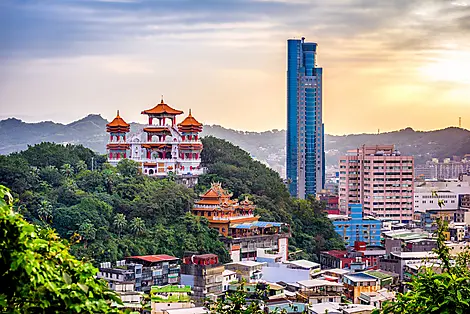
Like its big sister Tokyo, Osaka is the product of ancestral traditions and amazing technological innovations. And despite its size, its location on the Pacific Ocean give it a sense of serenity. The main historic landmark is the 16th century Osaka Castle, which stands proud in the midst of majestic skyscrapers. The lively streets of Dotomburi and the bizarre Shinsekai district attract thousands of locals and visitors. A multitude of restaurants offer menus full of regional specialities: takoyaki, made with octopus, and other succulent dishes such as kushikatsu kebabs.
12 Days - Kyoto & the Zen of Japan Cruise Tour[Kobe to Tokyo]
![12 Days - Kyoto & the Zen of Japan Cruise Tour[Kobe to Tokyo]](/images/packages/Kobe-japan-image.jpg "12 Days - Kyoto & the Zen of Japan Cruise Tour[Kobe to Tokyo]")
Cruise Line: Windstar Cruise
Ship: Star Seeker
Sailing Date: Oct 13 2027
Route: Kobe to Tokyo
Duration: 11 Nights
![12 Days - Kyoto & the Zen of Japan Cruise Tour[Kobe to Tokyo]](/images/packages/extraimages/9240_Kobe-japan.jpg "12 Days - Kyoto & the Zen of Japan Cruise Tour[Kobe to Tokyo]")
Mediterranean Mosaic - Egypt & Turkey - 7 Nights

Cruise Line: Celestyal Cruises
Ship: Celestyal Journey
Sailing Date: Dec 04 2027 & Dec 18 2027
Route: Athens | Day at sea | Alexandria | Limassol | Rhodes | Day at sea | Istanbul
Duration: 7 Nights

Mediterranean Mosaic - Egypt & Turkey - 7 Nights
Day 1
.jpg) Athens (Greece), Depart 17:00
Athens (Greece), Depart 17:00
Your vacation begins in the majestic city of Athens. As one of the oldest cities in the world, the vibrant modern metropolis boasts an intriguing and contrasting mix of old and modern architecture in perfect harmony and balance. Explore the city and soak up the atmosphere by the harbourâs edge as you wait to embark for your exciting adventure.
Day 2
 At sea
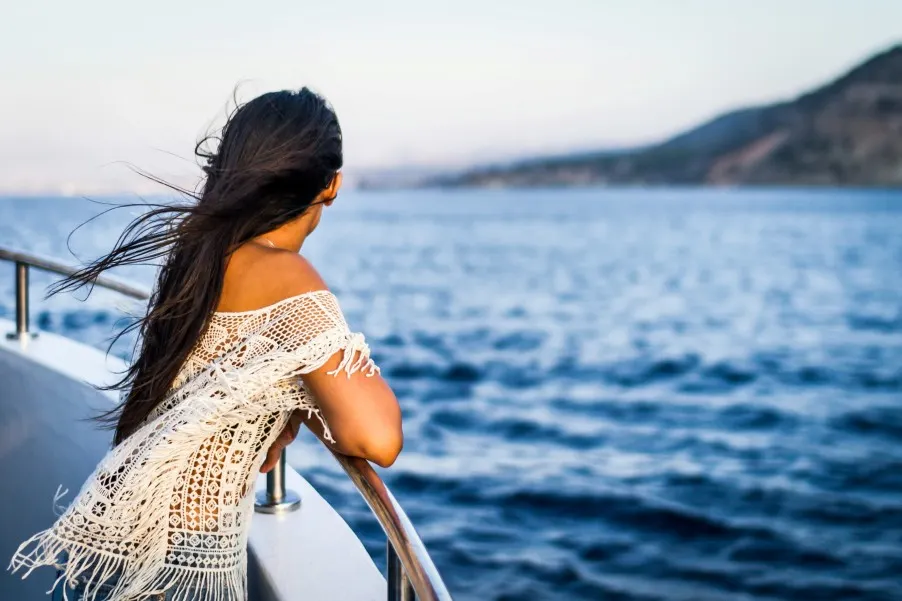
A day at sea gives you the opportunity to explore the shipâs array of amenities, take full advantage of the onboard activities and indulge in our chefâs exquisite cuisine. Kick back and soak up the sun as we treat you to drinks from the bar. Alternatively, why not participate in handicrafts, language lessons, traditional dancing, games or exercise. Thereâs plenty to do.
Day 3-4
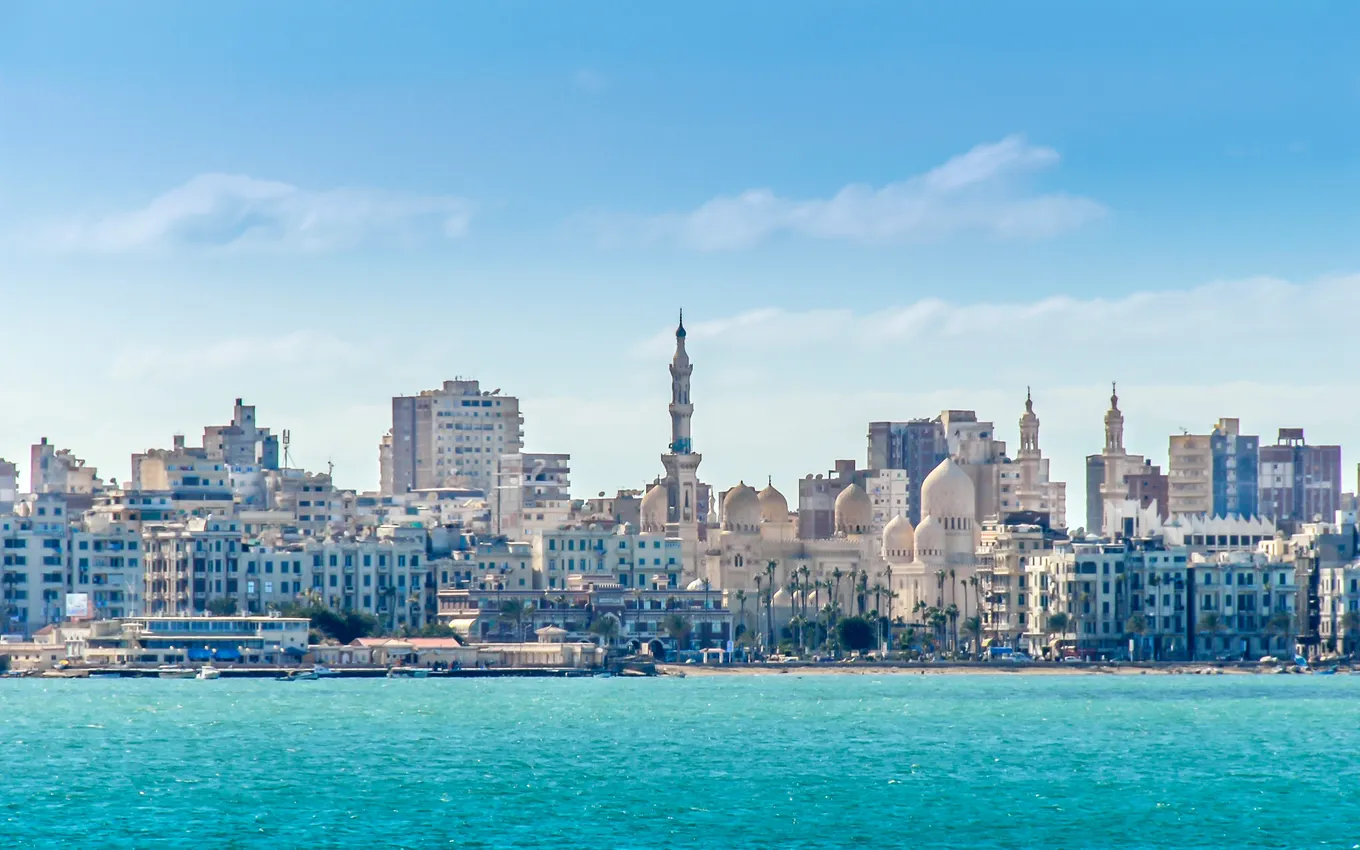 Alexandria, Arrive 07:00 | Depart 13:00
Alexandria looks outward to the sea and back through thousands of years of history. Its waterfront, neighbourhoods and cultural landmarks reveal a city shaped by Greek, Egyptian and wider Mediterranean influences. An overnight stay creates time to experience more than a single daytime visit, from the Corniche and cafés to the stories that have made Alexandria one of the regionâs great crossroads.
Day 5
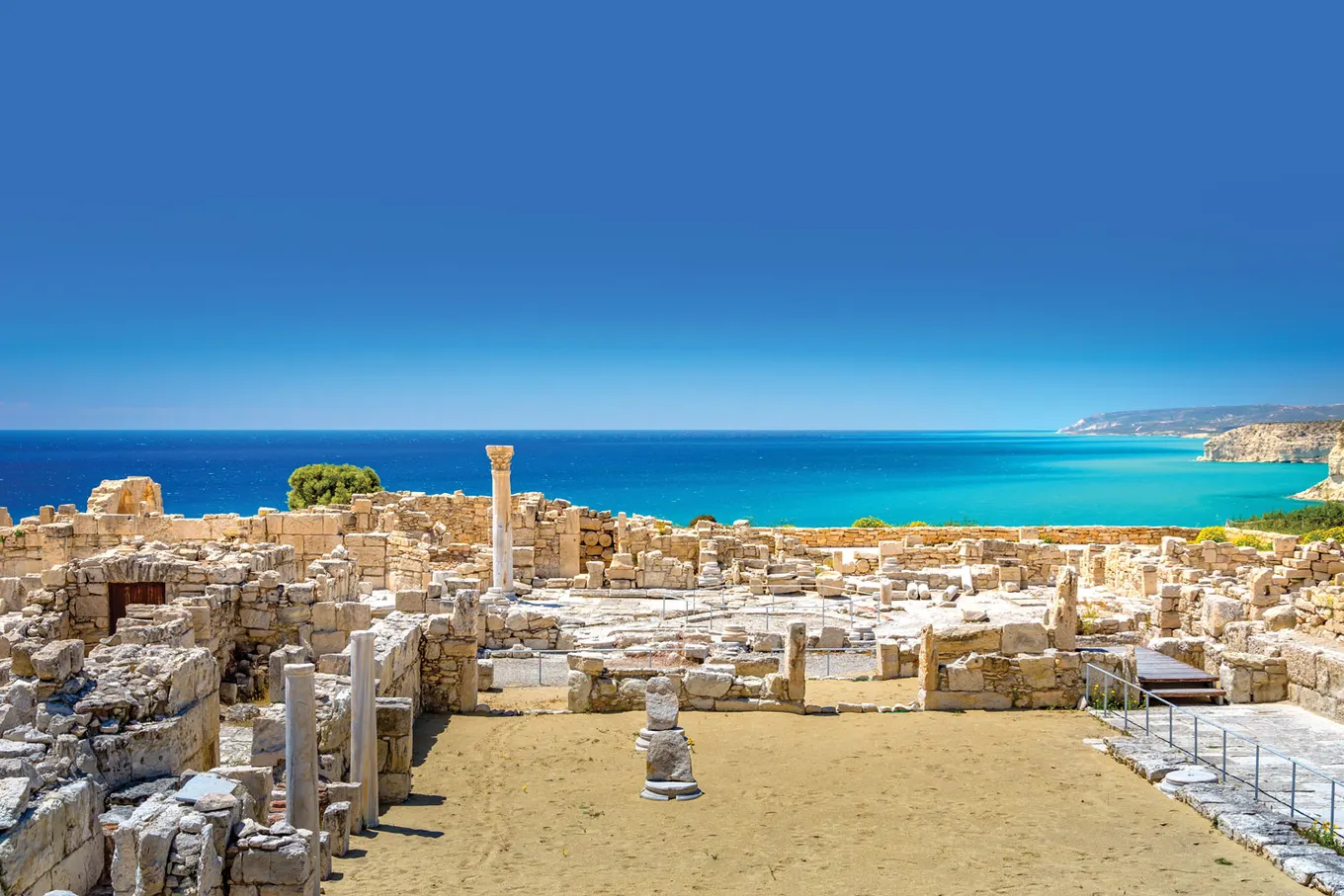 Limassol, Arrive 08:00 | Depart 18:00
Welcome to the bustling, cosmopolitan hub of Limassol. The streets here are lined with colourful cafes, bars and restaurants for you to enjoy. Complementing the modern attractions, this lively city also has the historic Limassol Castle and a collection of ancient treasures on show in the Cyprus Medieval Museum. Make sure to explore the UNESCO-listed archaeological site of Pafos, and the legend of Aphroditeâs Rock before you head on to your next stop.
Day 6
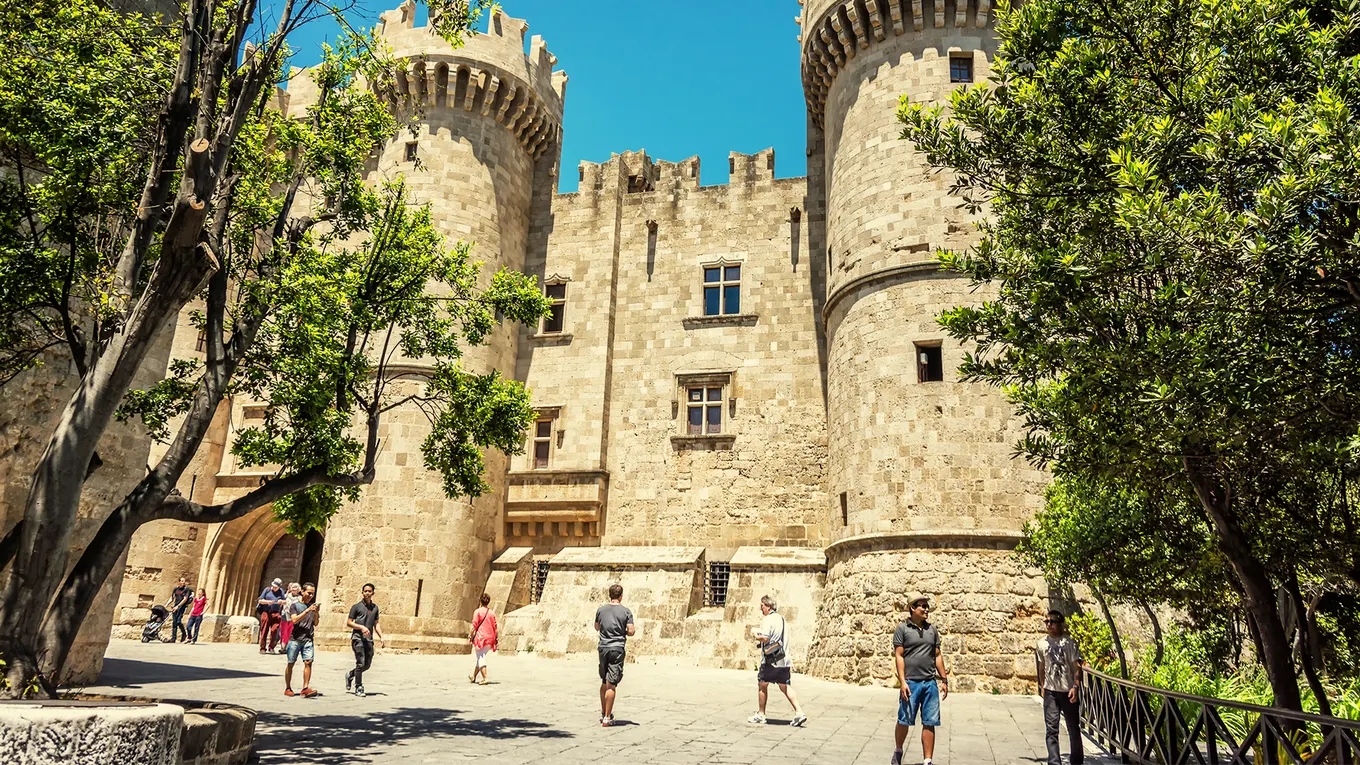 Rhodes, Arrive 12:00 | Depart 22:00
The stunning landscape of Greece's largest Dodecanese island, Rhodes, seamlessly incorporates dramatic ancient and historic sites with charming modern hillside villages. Here, you can book an excursion to visit the majestic medieval fortification of the Acropolis at Lindos, perched on the clifftop above the crystalline Aegean. Take time to explore the cobbled alleyways and narrow arteries in the Old Town, where you will discover opulent architecture with Ottoman and Italian influence.
Day 7
Day at sea
A day at sea gives you the opportunity to explore the shipâs array of amenities, take full advantage of the onboard activities and indulge in our chefâs exquisite cuisine. Kick back and soak up the sun as we treat you to drinks from the bar. Alternatively, why not participate in handicrafts, language lessons, traditional dancing, games or exercise. Thereâs plenty to do.
Day 8
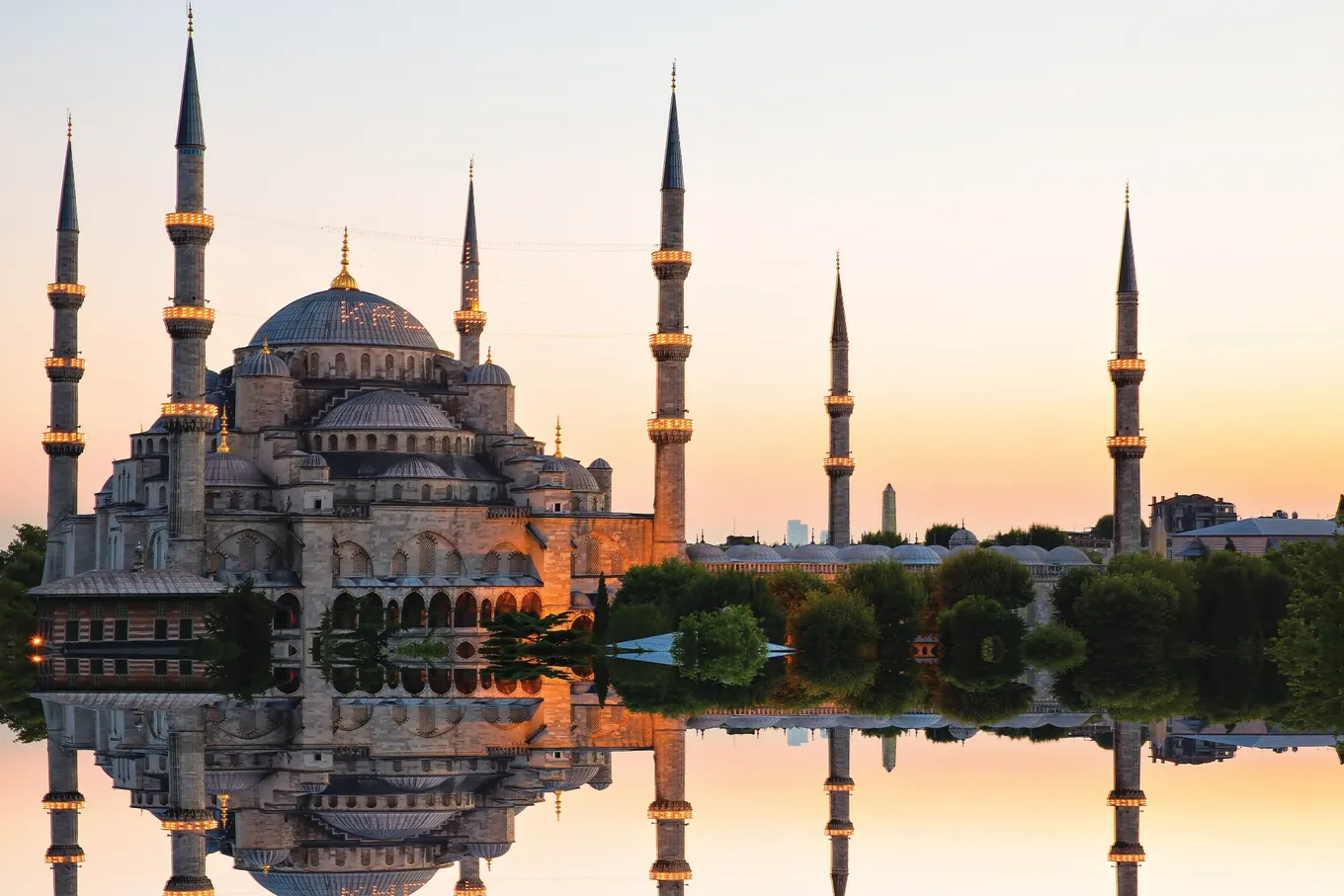 Istanbul, Arrive 08:00
Your journey ends at the crossroads of the world - Istanbul. Explore this legendary city by sailing down the Bosphorus Strait on a private boat to catch heartstopping views of Topkapi Palace and Rumeli Hisari Fortress. Before you leave, set your senses ablaze with a trip to the historic spice market for a lasting memory.

We Accept: 
Secured By: 
Copyright © STIC GSA Services Pvt. Ltd. All rights reserved