

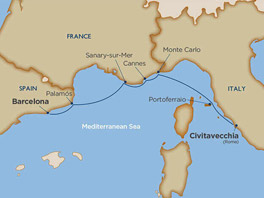
8 Days - Rome & Prix du Monde of Monaco
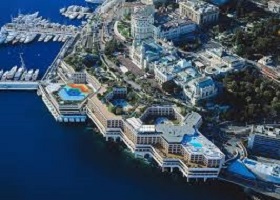
Cruise Line: Windstar Cruise
Ship: Wind Surf
Travel Period: April - October
Port: Civitavecchia, Rome to Barcelona
Duration: 8 Days
Panama and Costa Rica by Sea: The Natural Wonders of Central America - with Smithsonian
Cruise Line: Ponant Cruise
Ship: Le-Bougainville
Travel Period: Jan 12 2028
Port: Colon - Puntarenas
Duration: 8 Days
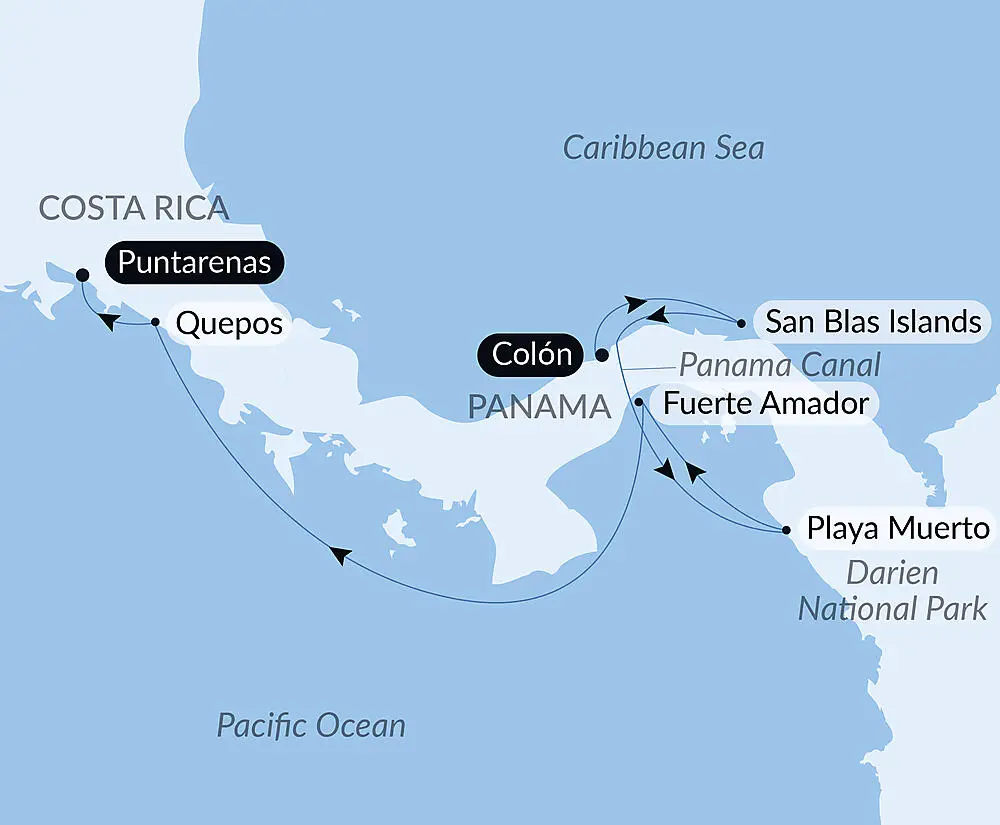
Panama and Costa Rica by Sea: The Natural Wonders of Central America - with Smithsonian
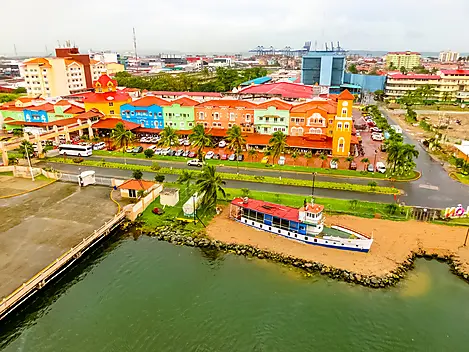
Day 1 - Colon
Colon is the second largest city in Panama, at the Caribbean entrance of the Panama Canal. Colón is today an important port, and the free trade zone created in 1953 contributed greatly to the development of the city. Colón was founded in 1850 by Americans working on the Panama railroad connecting the Atlantic and Pacific coasts through the isthmus of Panama; the city rapidly overshadowed the older Caribbean ports of Panama when the canal opened.
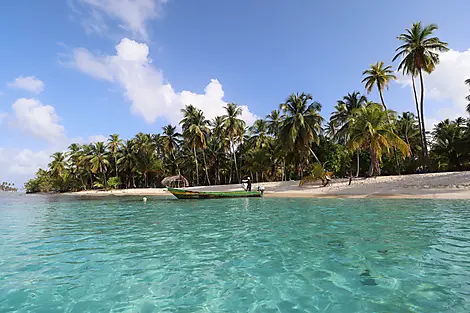
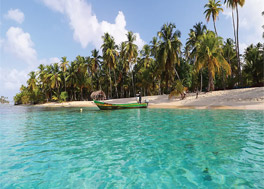
Day 2 - San Blas Islands
Located on the north-east coast of Panama, the San Blas archipelago is a string of coral islands in the heart of the Caribbean Sea. More than 300 islands and cays cover an area of 300 square kilometres offering travellers a multitude of treasures. Sheltered behind a long coral reef, the San Blas Islands are full of enchanting anchorages. The long sandy white beaches bound by crystal-clear waters will allow you to relax and enjoy incredible marine fauna before engaging with the Kunas Indian community. Still subsisting on hunting and fishing, they will welcome you in their villages of bamboo houses gathered near the beaches.
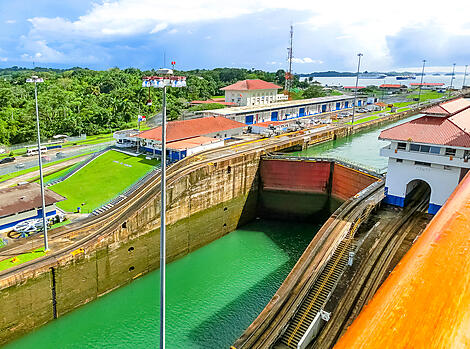
Day 3- Crossing the Panama Canal
Aboard your ship, experience something unique, that has inspired the imagination of numerous adventurers in the 20th century: sailing the Panama Canal. Its construction started in 1880 under the direction of Ferdinand de Lesseps. Abandoned then resumed, this marvel of engineering was completed by the United States and opened in 1914. The canal crosses the Isthmus of Panama and links the Atlantic to the Pacific. Including three levels of locks and by raising ships to the level of Lake Gatun, almost as if the water was a lift, it allows them to avoid having to round Cape Horn.
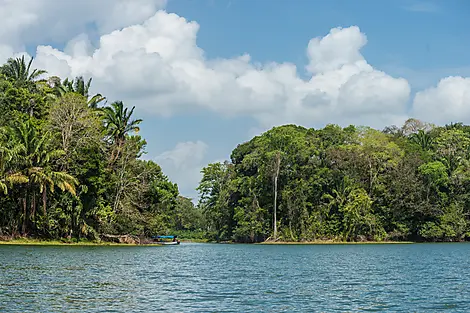
Day 4 - Fuerte Amador, Flamenco Island
An artificial peninsula situated at the Pacific entrance to the Panama Canal, Fuerte Amador is the gateway to several noteworthy sites. Right near there, the impressive Miraflores Locks are a shining example of the engineering feats deployed during the construction of the Panama Canal. Further north, in villages nestling amid dense vegetation, lives the Embera tribe, guardian of the forest and of the Chagres River. This proud people have successfully preserved their traditions and their ancestral way of life, which predate the colonisation of the region by the Spanish.

Day 5- Playa Muerto, Darien National Park
The most remote and least developed region of Panama, the province of Darien is an unspoilt land with an extremely rich variety of flora and fauna. Listed by UNESCO as World Heritage, Darien National Park offers its extraordinary scenery of rocky coastlines, mountain ranges, mangroves, rivers and creeks. Discover Playa Muerto, a tiny coastal village home to the Emberas Amerindian community. You will visit the village, attend traditional songs and dances of the locals, and admire beautiful local craft.
Day 6 - At sea
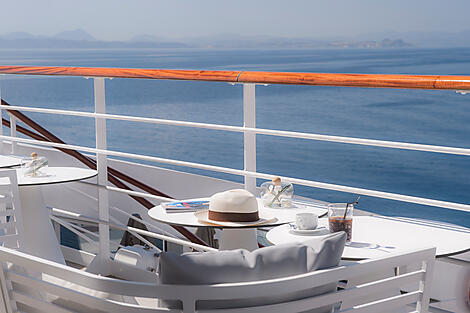
During your journey at sea, make the most of the many services and activities on board. Treat yourself to a moment of relaxation in the spa or stay in shape in the fitness centre. Depending on the season, let yourself be tempted by the swimming pool or a spot of sunbathing. This journey without a port of call will also be an opportunity to enjoy the conferences or shows proposed on board, depending on the activities offered, or to do some shopping in the boutique or to meet the PONANT photographers in their dedicated space. As for lovers of the open sea, they will be able to visit the shipâs upper deck to admire the spectacle of the waves and perhaps be lucky enough to observe marine species. A truly enchanted interlude, combining comfort, rest and entertainment.
Day 7 - Quepos
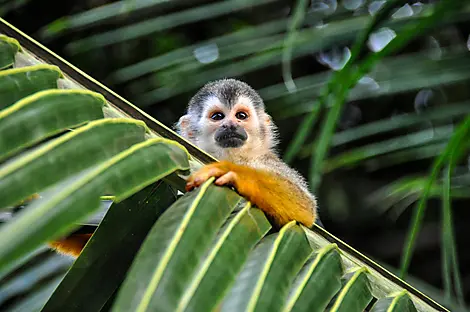
Quepos makes for a charming stop-off on the Pacific coast, just next-door to the famous Manuel Antonio National Park, an untouched tropical natural reserve lined with white sandy beaches. The town's seafront is an opportunity to stroll through market stalls touting pineapples and bananas in the shade of the manchineel trees. In this coastal town criss-crossed with tree-lined streets in bloom, admire the houses and their incredible sculpted balconies. Enjoy a spot of shopping in the many traditional boutiques: pick up some handmade cotton clothing, ceramics embellished with Costa Rican designs and home décor pieces in hand-painted wood.
Day 8 - Puntarenas
Located on the north-east coast of Panama, the San Blas archipelago is a string of coral islands in the heart of the Caribbean Sea. More than 300 islands and cays cover an area of 300 square kilometres offering travellers a multitude of treasures. Sheltered behind a long coral reef, the San Blas Islands are full of enchanting anchorages. The long sandy white beaches bound by crystal-clear waters will allow you to relax and enjoy incredible marine fauna before engaging with the Kunas Indian community. Still subsisting on hunting and fishing, they will welcome you in their villages of bamboo houses gathered near the beaches.
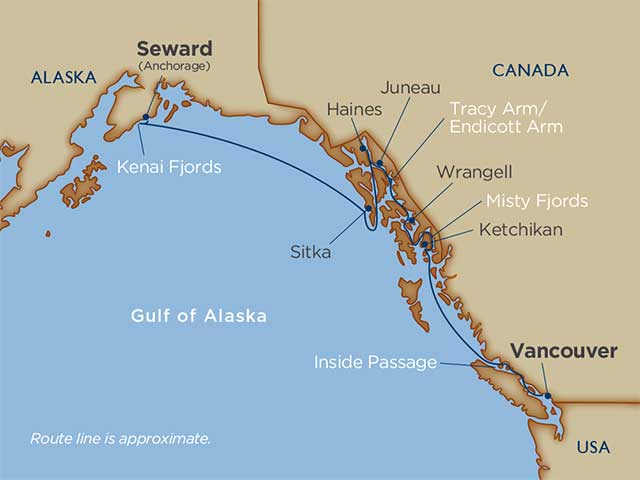
12 Days - Alaskan Coastal Adventures & Denali Discovery Cruise Tour
Cruise Line: Windstar Cruise
Ship: Star Breeze
Travel Period: Jul 02 2027
Port: Vancouver to Juneau
Duration: 12 Days
Icelandic mosaic
Cruise Line: Ponant Cruise
Ship: Le-Bellot | L-Austral | Le-Bellot | Le-Laperouse | Le Boreal
Travel Period: May 27 2027 - Jul 27 2028
Port: ReykjavÃk (Iceland) to ReykjavÃk (Iceland)
Duration: 8 Days
Icelandic mosaic
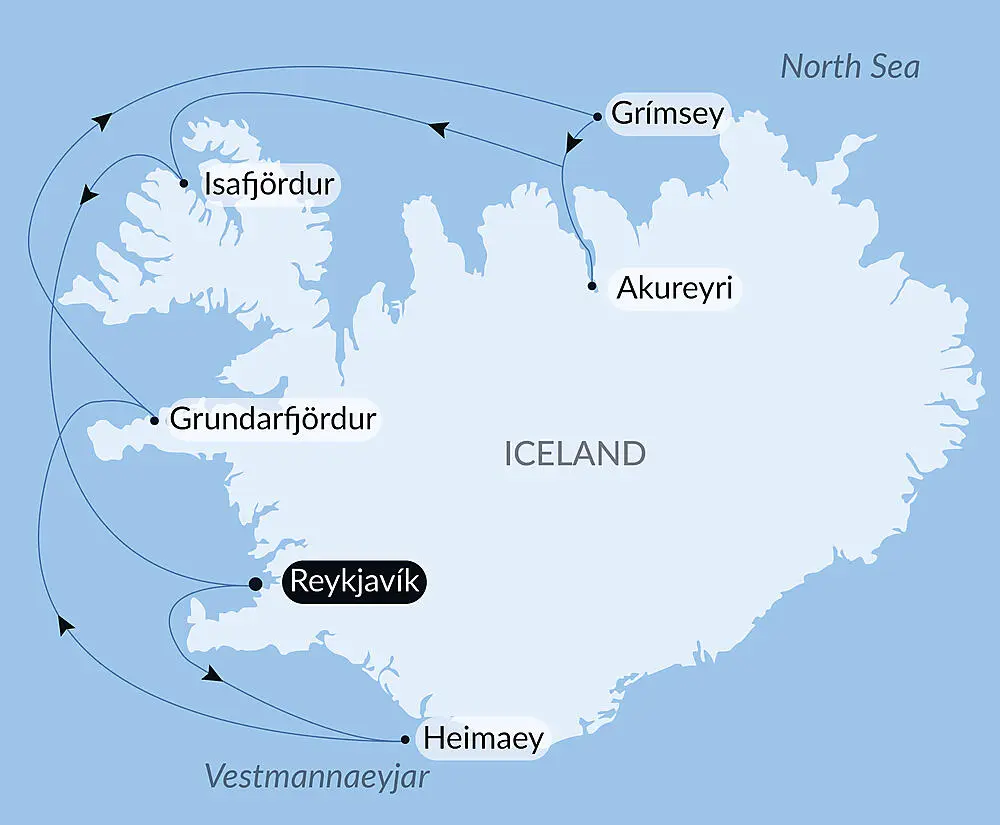
Day 1 - ReykjavÃk
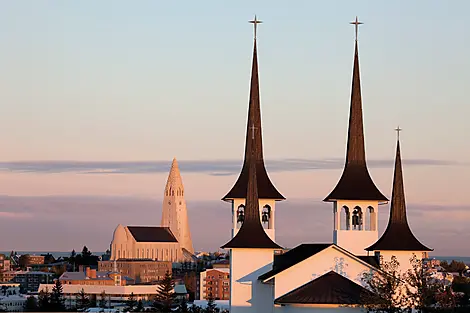
Icelandâs capital stretches along the edge of a vast bay in the west of the country. Perlan, the âPearl of ReykjavÃkâ, a museum located on âOskjuhlið hill, offers a panoramic view of the lush, green landscapes. A little further, one can easily spot the signpost showing the way to the evangelical HallgrÃmskirkja church, and to the historical centre where one can stroll along the SkólavördustÃgur and the Laugavegur, two lively streets with charming small shops. For some relaxation just outside of the city, visitors have the opportunity to visit the Reykjanes peninsula and its famous thermal lagoons of the Blue Lagoon.
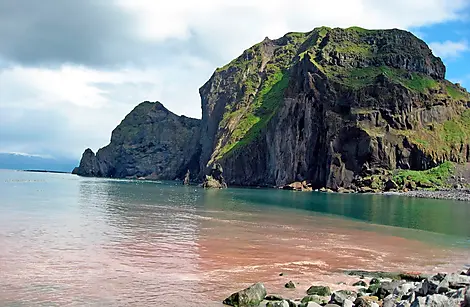
Day 2 - Heimaey, Vestmannaeyjar
A small drop of basalt in the North Atlantic Ocean, Surtsey is a volcanic island formed by a submarine eruption that lasted from 1963 to 1967, off the Westman Islands to the south of Iceland. The island is a UNESCO World Heritage Site. To protect its virgin ecosystem against human presence, it is forbidden to land there. Only a few scientists have access to Surtsey to study the plant and animal colonisation of the island. Mosses, fungi and lichens were followed by vascular plants. Around 300 invertebrate species and 90 bird species have gradually colonised it. While sailing around Surtsey, you will enjoy a unique panorama of this extraordinary islandâs contours.
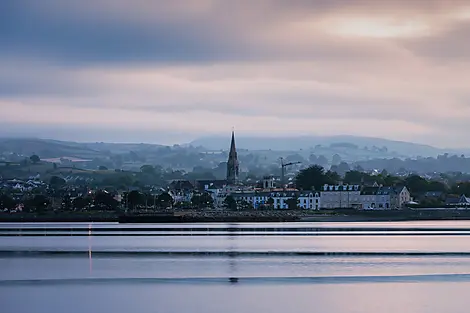
Day 3- Warrenpoint
On the shores of Carlingford Lough, a fjord marking the eastern end of the border between Ireland and the UK, lies the charming seaside resort of Warrenpoint. Set in stunning natural surroundings and dominated by the Mournes and Cooley peaks, the area is ideal for hiking.Â
2 available excursions
Heimaey, Pompeii of the North, Circumnavigation of Heimaey
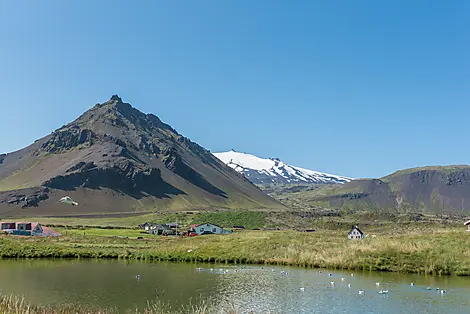
Day 4 - Grundarfjordur
This secret boreal hideaway is located at the foot of the Kirkjufell, on Snaefellsnes peninsula. Arriving by boat means you will get a closer view of the lava-stone rock standing like a sentinel at the entrance to the bay; Grundarfjordur lies sheltered behind this cone-shaped rock. A stoneâs throw from the jetty, crystal clear waters, tundra and beaches give onto the cerulean waters of Breioafjordur. Scattered with its emerald-coloured lawns, this town, with its buildings that merge into the surrounding countryside, will most certainly win your favour.
2 available excursions
Caves, craters & coves, The Snaefellsnes peninsula
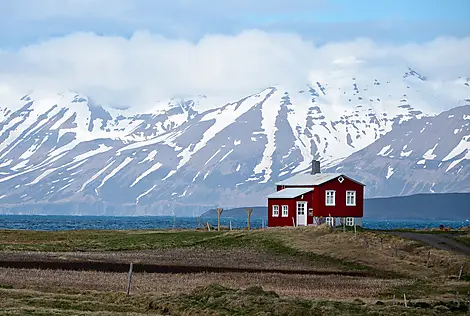
Day 5- Akureyri
The elegant city of Akureyri is located very close to the Arctic circle, tucked away in the Eyjafjörður fjord. It displays a stunning palette of colours: blue waters in the harbour, bronze mountain ash on the squares and brightly-coloured houses in the historical centre. As you walk along the cobbled streets, you will come across rows of terraces with wooden furniture. A vast stairway cut into the hillside leads up to the emblematic feature of the town, namely the Akureyrarkirkja church. The very beautiful botanical garden made possible by a microclimate offers the opportunity to discover the Icelandic flora as well as plants from all over the world.
3 available excursions
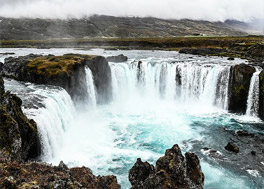
Charms of Myvatn region, Thermal bath & Godafoss, Godafoss & Laufas Museum
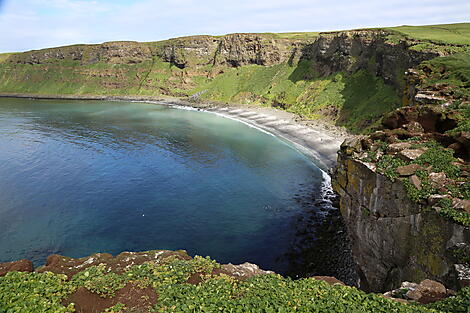
Day 6 - Grimsey
Grimsey is the northernmost island of Iceland surging from the Arctic ocean, with the Arctic circle running through the island. Its contrasted contours are surprising. From Grimseyjarhreppur, the islandâs only town located on the west coast, then heading due south, you can take in the beauty of the hillsides, lushly carpeted with moss and grass. On the rest of the coastline, imposing basalt cliffs inhabited by sea birds stand proud.
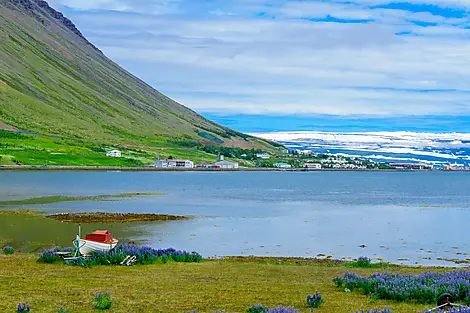
Day 7 - Isafjordur
Your ship will take you to the heart of the fjords of North-West Iceland, a wild land of lost valleys and steep cliffs, where man struggles to survive. In this very isolated region we find the Isafjordur fjord, undoubtedly one of the most beautiful in the country, mainly for its relief, forged by many very ancient basaltic flows. The town of Isafjordur, which nestles at the back of its fjord, between imposing mountains, is a delightful little town that lives exclusively from fishing. The capital of the Western fjords, its old wooden houses bear witness to its past as a major fishing port.
2 available excursions
Maritime culture & traditions, Flowers & fjords
Day 8-9 - ReykjavÃk
Icelandâs capital stretches along the edge of a vast bay in the west of the country. Perlan, the âPearl of ReykjavÃkâ, a museum located on âOskjuhlið hill, offers a panoramic view of the lush, green landscapes. A little further, one can easily spot the signpost showing the way to the evangelical HallgrÃmskirkja church, and to the historical centre where one can stroll along the SkólavördustÃgur and the Laugavegur, two lively streets with charming small shops. For some relaxation just outside of the city, visitors have the opportunity to visit the Reykjanes peninsula and its famous thermal lagoons of the Blue Lagoon.
2 available excursions
The Golden Circle, Volcanic landscape & viking history
Highlights of Iceland
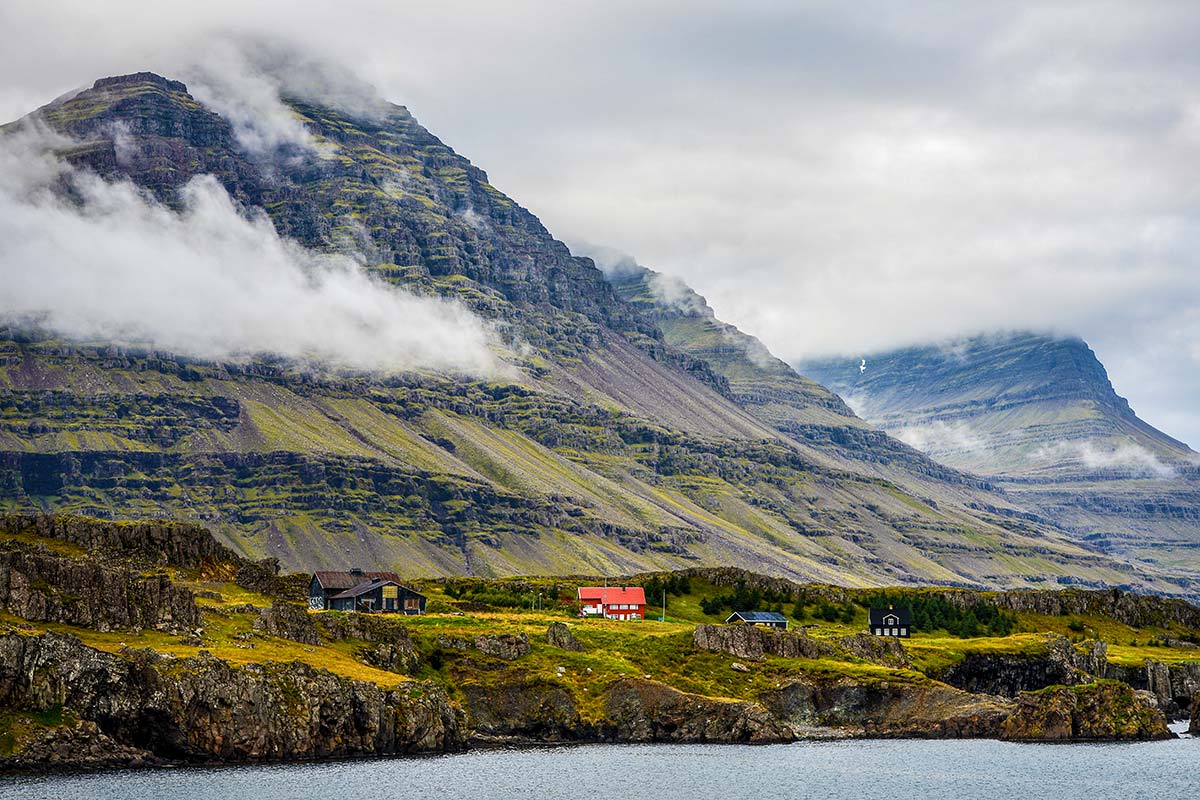
Cruise Line: Polar Latitudes Expeditions
Ship: Ocean Victory
Travel Period: Jun 03 2027
Port: Reykjavik to Reykjavik
Duration: 8 Days
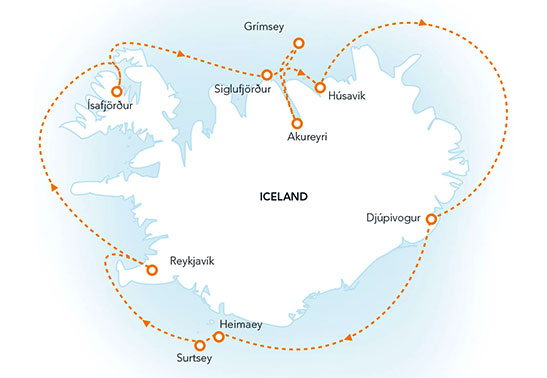
Highlights of Iceland
Day 1
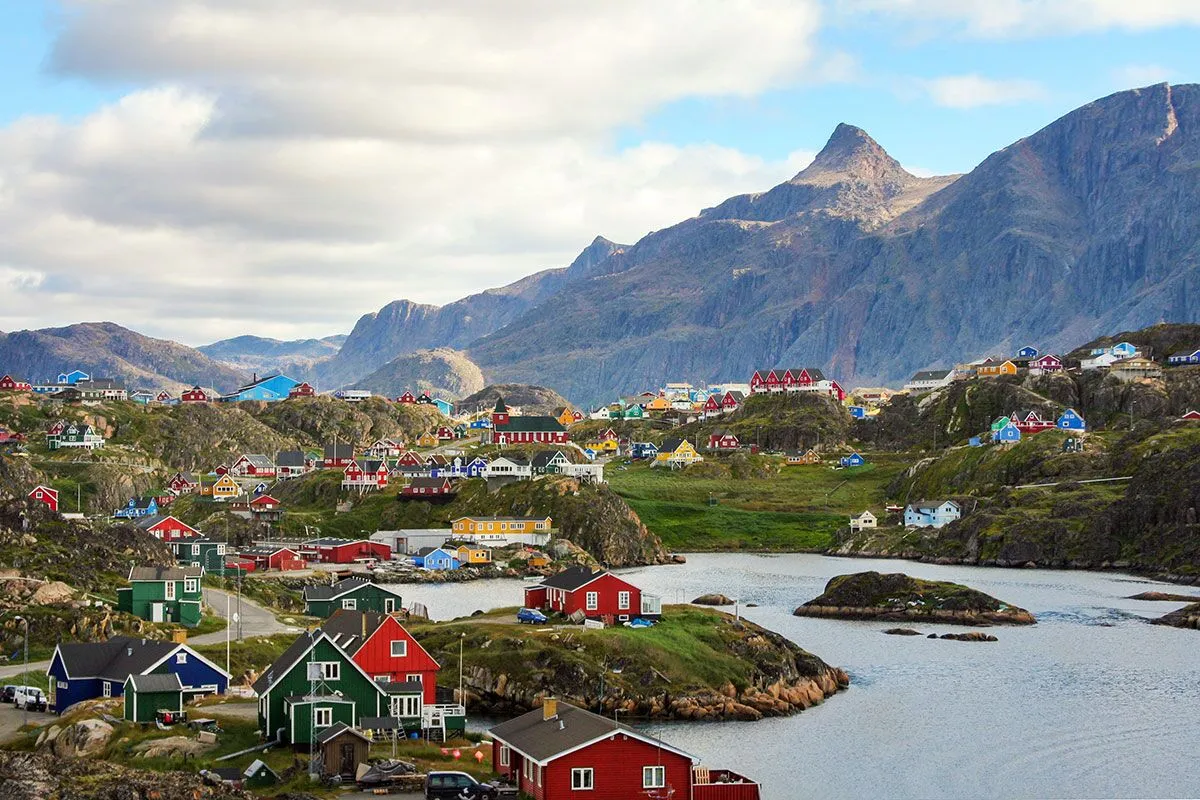 Reykjavik, Iceland â Embarkation
Our adventure begins in Icelandâs vibrant capital, Reykjavik. Famous for its modern Nordic culture, excellent food scene, and relaxed atmosphere, Reykjavik is the ideal starting point for our Arctic adventure. After boarding our expedition ship, Ocean Albatros, guests will enjoy dinner and champagne as we set sail out of Faxaflói Bay, following ancient Norse sea routes towards the wild Westfjords.
Day 2
Isafjorour
Sisimiut is Greenlandâs second-largest city, with around 5,400 residents. Inhabited since 2,500 BC by Paleo-Inuit peoples, the area holds ancient remains on nearby Tele Island, which can be reached on a refreshing hike. Founded as Holsteinsborg in 1756, Sisimiut features well-preserved historic buildings like the Blue Church from 1775, situated in the cityâs charming museum quarter. Today, Sisimiut is a key hub for education and industry, hosting one of Greenlandâs largest fish processing plants and the supply company KNI, which services remote settlements. The city blends traditional and modern Arctic lifeâexplore the cultural center Taseralik, the city museum, and the famous art workshop, and taste Greenlandic delicacies.
Day 3
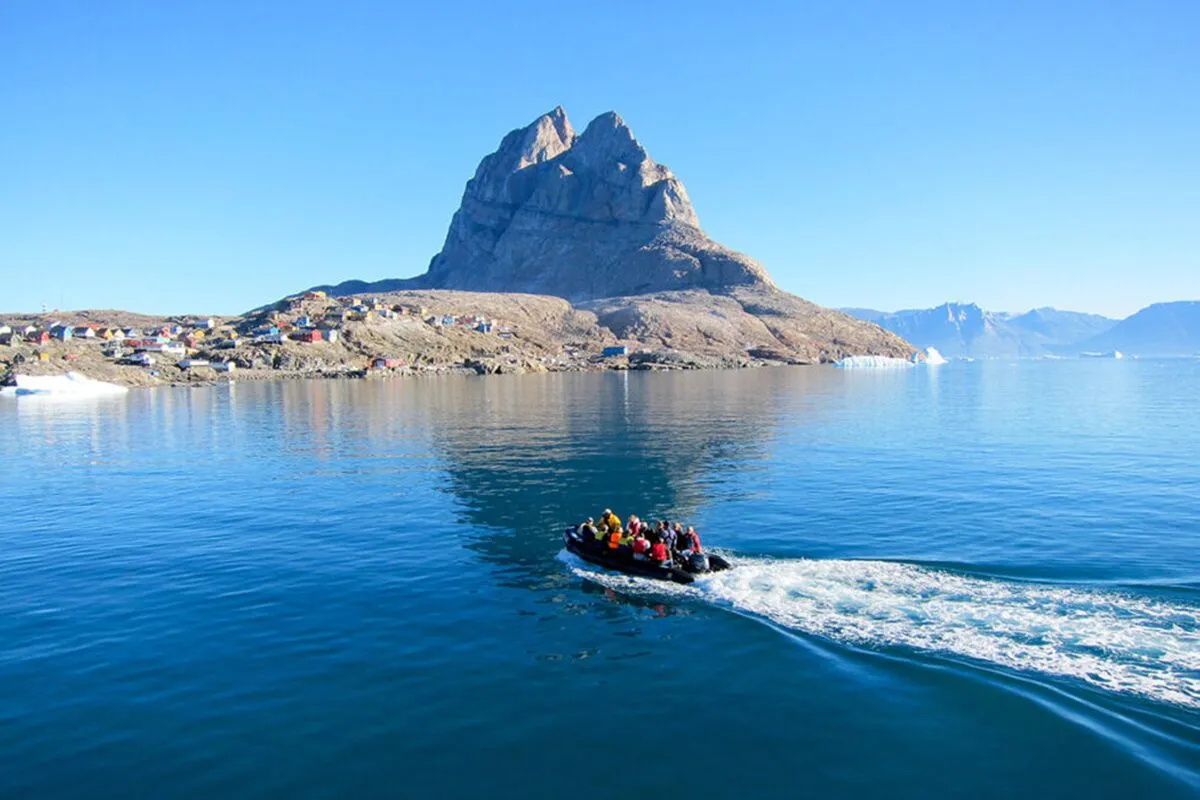 Siglufjorour and Grimsey
Siglufjorour, Icelandâs northernmost mainland town, thrived during the herring boom of the mid-20th century, growing from a sleepy village to the hub of the countryâs fishing industry. Today, the herring still reigns supreme; the charming streets and Herring Era Museum showcase this proud heritage, while its jaw-dropping fjord setting offers rich bird-watching opportunities. Later, we sail to GrÃmsey Island, the only part of Iceland crossing the Arctic Circle. A guided walk reveals its rugged beauty, curious unafraid seabirds, and the symbolic Arctic Circle marker, âOrbus et Globusâ, which is shifted annually to account for tiny changes to Earthâs orbit.
Day 4
Akureyri
Nestled at the end of Eyjafjörður, Icelandâs longest fjord, Akureyri is known as the âCapital of the North.â Despite its small size, the city boasts a unique cathedral, the first botanical gardens in Iceland, massive geothermally heated swimming pools, and a lively cultural scene. Sheltered by surrounding hills from the worst of the Arctic weather, its rich volcanic soils support abundant agriculture, and the frigid waters of the fjord hold rich fish stocks â a treat for the discerning palate!
Day 5
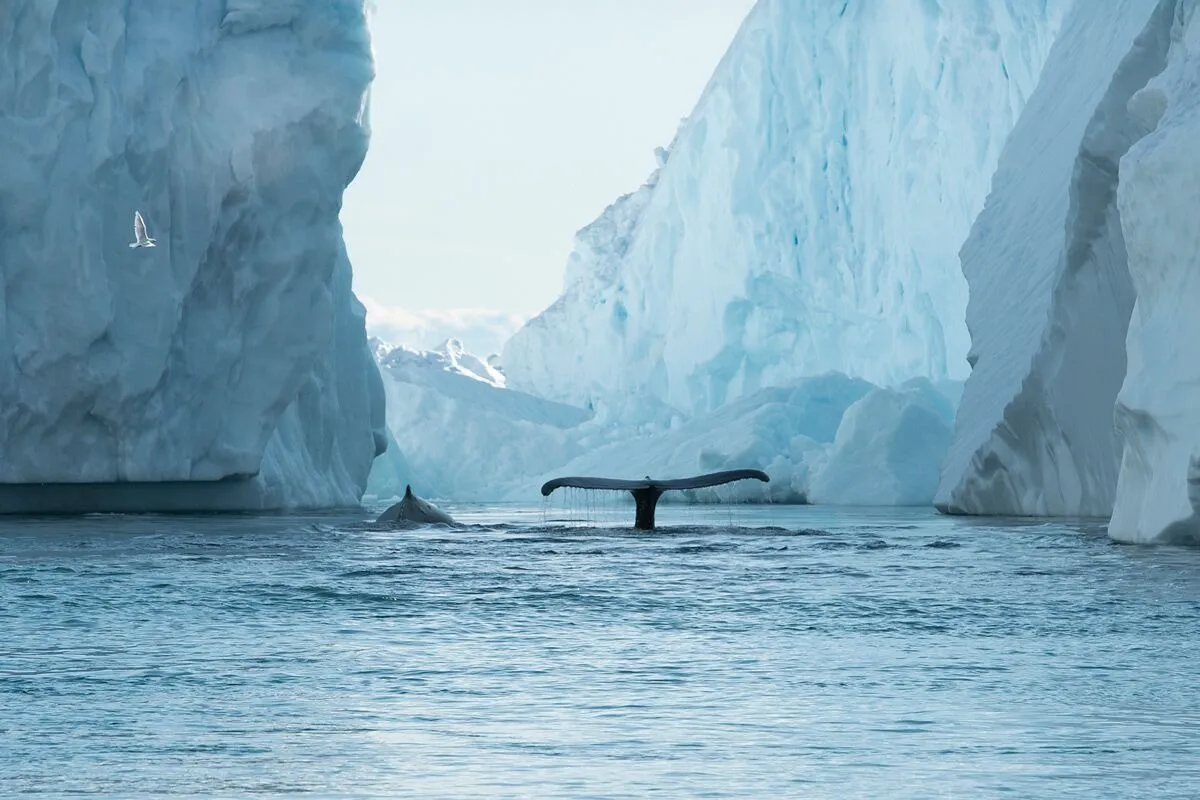 Husavik
Just beyond Akureyri lies HúsavÃk, Icelandâs oldest settlement, founded by the Viking pioneer Náttfari in the late 9th century. Small but bustling, HúsavÃk has fully embraced tourism and is the undisputed whale-watching capital of Iceland. Where whalers once hunted, conservation and tourism now shelter these gentle giants. The town also offers museums, including one dedicated to whale conservation, and another celebrating Icelandâs contributions to exploration in the Arctic, Antarctic, and even into space. No trip to Husavik is complete without a soak at the nearby Geosea Spa with sweeping views over Skjálfandi Bay.
Day 6
Djupivogur
Situated on Icelandâs scenic southeast coast, Djúpivogur is framed by fjords, mountains, and rich bird habitats. It is the closest port in the country to the Faroe Islands, Scandinavia, and mainland Europe, and is a popular port of call for vessels exploring the North Atlantic. Centered around the harbor, the town dates back to the 16th century and is known for its unique public art, including the Eggin à GleðivÃk (Eggs of Merry Bay) sculpture. Hikers and birdwatchers are spoiled for choice, with mile upon mile of nature waiting to be explored. One of Icelandâs most beautiful black sand beaches is just a short stroll from town and features a huge variety of bird species.
Day 7
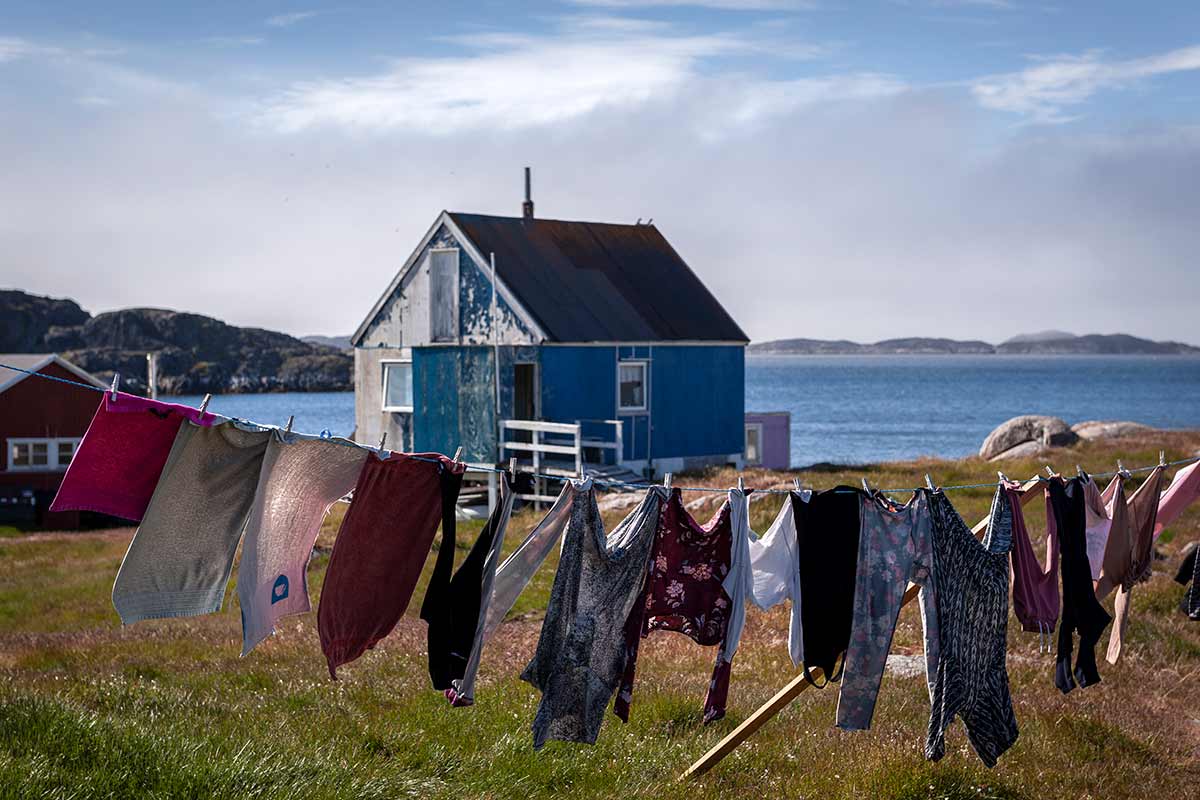 Heimaey and Surtsey, Westman Islands
Next, we visit Heimaey, the largest of the volcanic Westman Islands. Visitors can explore the dramatic lava fields of Eldfell volcano and the world-renowned bird colonies of the island. The residents of Heimaey were severely tested in 1973, when Eldfell volcano began to spew lava, threatening the town and its vital harbour. Heroic locals fought back, cooling the lava with seawater jets to save their community. Weather permitting, we will cruise past Surtsey on departure, a newly formed volcanic island strictly reserved for scientific research.
Day 8
Reykjavik â Disembarkation
As our journey concludes, we sail up the 160 km Kangerlussuaq Fjord and disembark by Zodiac after a fond farewell to the Expedition Team and Crew of Ocean Albatros. Though Kangerlussuaq is more known for its Cold War-era military roots and role as a transport hub than its cultural heritage, its surrounding wilderness offers striking natural beauty. Originally built by the U.S. military in the 1950s, the town retains a utilitarian charm. Our Arctic adventure ends at the modern airport, with lasting memories of Greenlandâs wild landscapes.
12 Days - Kyoto & the Zen of Japan Cruise Tour[Kobe to Tokyo]
![12 Days - Kyoto & the Zen of Japan Cruise Tour[Kobe to Tokyo]](/images/packages/Kobe-japan-image.jpg "12 Days - Kyoto & the Zen of Japan Cruise Tour[Kobe to Tokyo]")
Cruise Line: Windstar Cruise
Ship: Star Seeker
Travel Period: Oct 13 2027
Port: Kobe to Tokyo
Duration: 12 Days
![12 Days - Kyoto & the Zen of Japan Cruise Tour[Kobe to Tokyo]](/images/packages/extraimages/9240_Kobe-japan.jpg "12 Days - Kyoto & the Zen of Japan Cruise Tour[Kobe to Tokyo]")
12 Days - Kyoto & East Asia Dreams Cruise Tour - Star Seeker
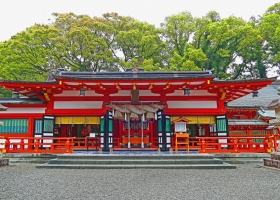
Cruise Line: Windstar Cruise
Ship: Star Seeker
Travel Period: Nov 03 2026
Port: Osaka to Halong Bay (Hanoi)
Duration: 12 Days
-to-Osaka.jpg "12 Days - Kyoto & East Asia Dreams Cruise Tour - Star Seeker")
The Atlantic coast - with the Paris Opera Ballet
.jpg "The Atlantic coast - with the Paris Opera Ballet")
Cruise Line: Ponant Cruise
Ship: Le Boreal
Travel Period: Aug 06 2027
Port: Lisbon to Bordeaux
Duration: 10 Days
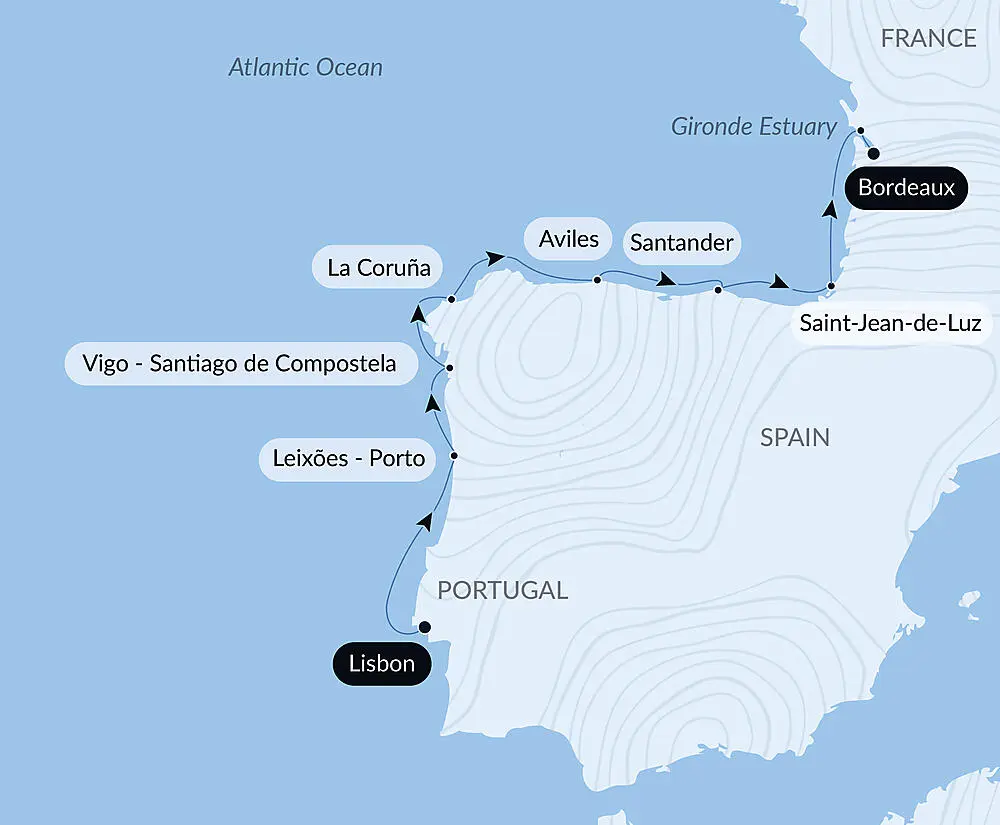
The Atlantic coast - with the Paris Opera Ballet
Day 1 - Lisbon
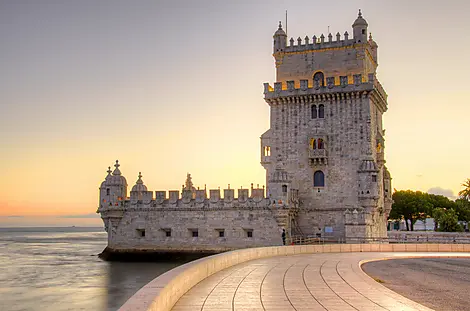
Portugalâs capital city located on the banks of the Tagus, only a few kilometres from the Atlantic coast, is a city of exceptionally rich cultural diversity. At the mouth of the river harbour, impose two UNESCO World Heritage monuments, Jeronimos monastery and Belem tower. The Alfama hillside is also worth visiting: known for its fado bars and its Moorish streets, this district is the oldest one of the city and one of the most typical. Not far from there, Chiadoâs elegant streets are home to big fashion labels and are an invitation to a bit of of luxury shopping.
Day 2 - Leixoes - Porto
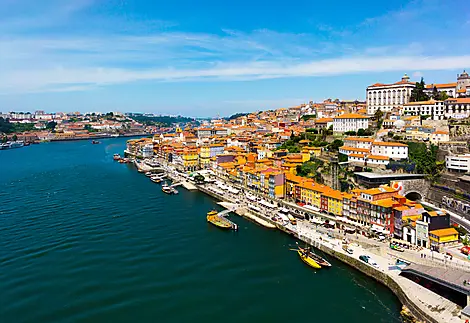
Located at the mouth of the Douro River, the port of Leixões lies less than 10 kilometres from Porto. A UNESCO World Heritage Site, the historic centre of Porto is worth a visit for its famous Ribeira district, the metallic silhouette of the Dom-Luis bridge looming over its ancient houses, its richly decorated Baroque churches and its national Soares dos Reis museum. The São Bento station is also interesting for its typically Portuguese decoration, using Azulejos, blue square ceramic tiles decorated with geometric patterns or figurative scenes.
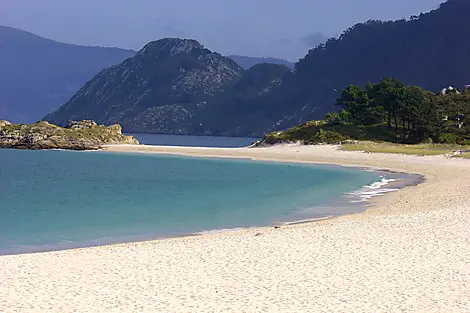
Day 3-4 - Vigo â Santiago de Compostela
Nestling on the Atlantic coast, in the south of Galicia, the former fishing port of Vigo is now the regionâs largest municipality. Its old town, more commonly known as O Berbés, will unveil its many historical monuments and the unusual architectural style of its homes. Off the coast, the CÃes Islands, declared a Nature Reserve and located in the Atlantic Islands of Galicia National Park, offer truly splendid landscapes and exceptional biodiversity. Further north, make sure you visit Santiago de Compostela, which welcomes many pilgrims from all over the world every year. Designated a UNESCO World Heritage Site, its historical centre has significant architectural heritage.
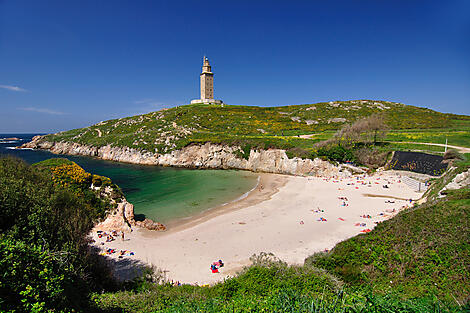
Day 5 - La Coruna
La Coruna stands on a peninsula in north-west Spain. As you enter the harbour, you can see the imposing Castillo de San Antón, which houses archaeological collections from Galicia. In the old town, youâll travel back in time as you meander through the streets from the medieval church of Santiago to the contemporary Domus building, a museum dedicated to human biology and psychology. Brightly coloured tramways connect to the waterfront, on one side, Riazor beach, and on the other, the Hercules tower: this lighthouse overlooking the Atlantic, is a UNESCO World Heritage site, listed for its history dating back to Antiquity.
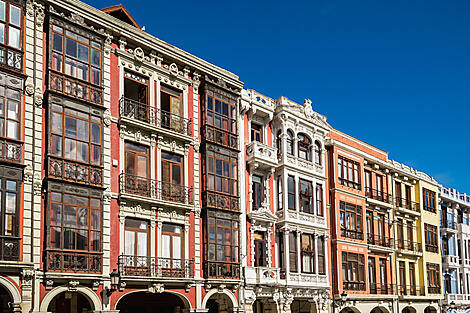
Day 6 - Aviles
Now the third largest city in the Principality of Asturias, Aviles has managed to retain all its charm. Its old town, declared a Historic-Artistic Site, contains architectural marvels such as the pedestrianised streets Calle Galiana and Calle Rivero, the Plaza de España and its town hall, and the Church of Sabugo, dating from the 13th century. Between palaces â including the very beautiful Valdecarzana and Camposagrado palaces â, shady arcades, fountains and other historical monuments, fall in love with this city and its unique heritage.
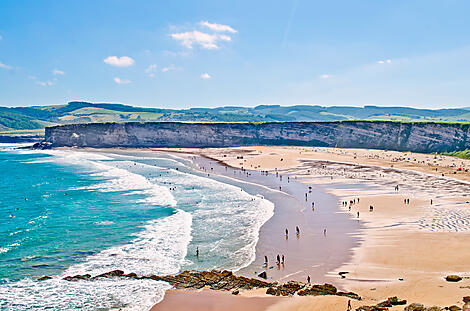
Day 7 - Santander
Facing the Bay of Biscay, its backdrop a natural setting that combines sea and mountain, Santander rolls out along a huge bay on the northern coast of the peninsula. A city of maritime tradition, it has a century-old touristic vocation. It is home to two treasures that are UNESCO World Heritage Sites: a part of the Way of Saint James and the Cave of Altamira. Its Prehistory and Archaeology Museum houses one of the most valuable Palaeolithic collections in Europe and the Maritime Museum of Cantabria is one of the most comprehensive museums in Spain dedicated to the sea. Its beaches with peaceful waters, protected from the wind, offer one of the most beautiful sea fronts with a succession of Belle Ãpoque buildings.
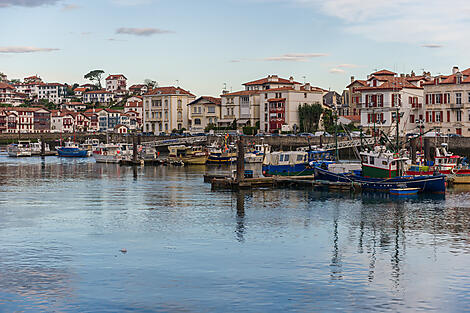
Day 8-9 - Saint-Jean-de-Luz
A renowned seaside resort in the South West of France, Saint-Jean-de-Luz is a picturesque and authentic town with a rich history. In particular, King Louis XIV married Maria Teresa in the famous Saint Jean the Baptist church in 1660. The seafront unveils stunning views, between the Basque architecture and the Cantabrian Sea. An unforgettable bay, which was frequented in the 17th century by privateers and wealthy ship-owners.
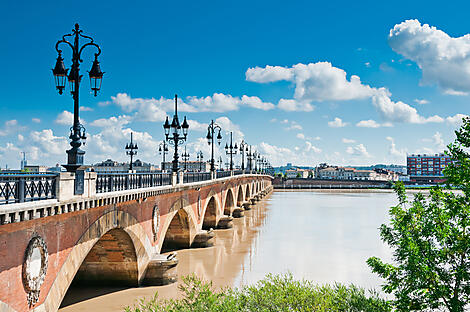
Day 10 - Bordeaux
Bordeaux stretches along the banks of the Garonne river, in South-West France. Its rich wine tradition makes it the world capital of wine. Let yourself be carried away by the history of the Port de la Lune, made a UNESCO World Heritage site for its prestigious classical architecture. On the famous Place de la Bourse, the past and the present unite: here you can observe the majestic old buildings reflected in the contemporary Miroir dâeau creation.
Lisbon to London: Cruising Europe's Western Shores - with Smithsonian Journeys
.jpg "Lisbon to London: Cruising Europe's Western Shores - with Smithsonian Journeys")
Cruise Line: Ponant Cruise
Ship: Le-Bellot
Travel Period: Apr 30 2027 - May 05 2028
Port: Lisbon to London
Duration: 10 Days
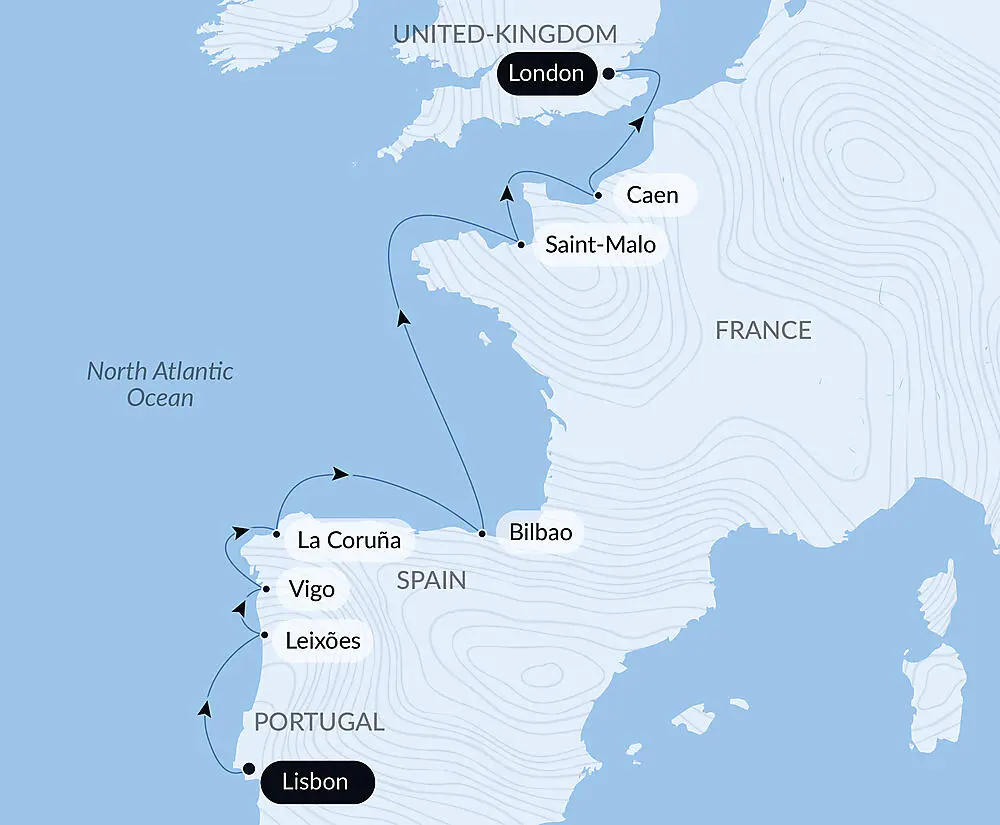
Lisbon to London: Cruising Europe's Western Shores - with Smithsonian Journeys
Day 1 - Lisbon
Portugalâs capital city located on the banks of the Tagus, only a few kilometres from the Atlantic coast, is a city of exceptionally rich cultural diversity. At the mouth of the river harbour, impose two UNESCO World Heritage monuments, Jeronimos monastery and Belem tower. The Alfama hillside is also worth visiting: known for its fado bars and its Moorish streets, this district is the oldest one of the city and one of the most typical. Not far from there, Chiadoâs elegant streets are home to big fashion labels and are an invitation to a bit of of luxury shopping.
Day 2 - Leixoes - Porto
Located at the mouth of the Douro River, the port of Leixões lies less than 10 kilometres from Porto. A UNESCO World Heritage Site, the historic centre of Porto is worth a visit for its famous Ribeira district, the metallic silhouette of the Dom-Luis bridge looming over its ancient houses, its richly decorated Baroque churches and its national Soares dos Reis museum. The São Bento station is also interesting for its typically Portuguese decoration, using Azulejos, blue square ceramic tiles decorated with geometric patterns or figurative scenes.
Day 3 - Vigo â Santiago de Compostela
Nestling on the Atlantic coast, in the south of Galicia, the former fishing port of Vigo is now the regionâs largest municipality. Its old town, more commonly known as O Berbés, will unveil its many historical monuments and the unusual architectural style of its homes. Off the coast, the CÃes Islands, declared a Nature Reserve and located in the Atlantic Islands of Galicia National Park, offer truly splendid landscapes and exceptional biodiversity. Further north, make sure you visit Santiago de Compostela, which welcomes many pilgrims from all over the world every year. Designated a UNESCO World Heritage Site, its historical centre has significant architectural heritage.
Day 4 - La Coruna
La Coruña stands on a peninsula in north-west Spain. As you enter the harbour, you can see the imposing Castillo de San Antón, which houses archaeological collections from Galicia. In the old town, youâll travel back in time as you meander through the streets from the medieval church of Santiago to the contemporary Domus building, a museum dedicated to human biology and psychology. Brightly coloured tramways connect to the waterfront, on one side, Riazor beach, and on the other, the Hercules tower: this lighthouse overlooking the Atlantic, is a UNESCO World Heritage site, listed for its history dating back to Antiquity.
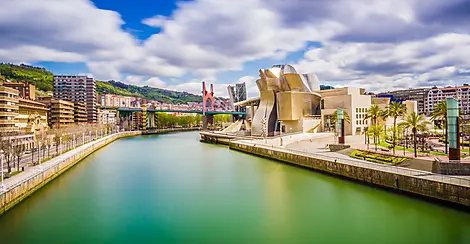
Day 5 - Bilbao
Bilbao, capital of the Spanish Basque country, is one of the most avant-garde cities in Europe. Its architectural audacity as well as its ancient built heritage will take you on a journey between traditions and innovations. An unusual cable car will allow you to reach the magnificent Guggenheim Museum, a unique construction of stone, glass and titanium, designed by the architect Frank Gehry and home to a collection of modern art and contemporary monumental sculpture. The narrow streets of the old city and the unmissable Ensanche district are also worthy of a visit, as is the Vizcaya bridge, the worldâs first ever transporter bridge, a UNESCO World Heritage Site.
Day 6 - At sea
During your journey at sea, make the most of the many services and activities on board. Treat yourself to a moment of relaxation in the spa or stay in shape in the fitness centre. Depending on the season, let yourself be tempted by the swimming pool or a spot of sunbathing. This journey without a port of call will also be an opportunity to enjoy the conferences or shows proposed on board, depending on the activities offered, or to do some shopping in the boutique or to meet the PONANT photographers in their dedicated space. As for lovers of the open sea, they will be able to visit the shipâs upper deck to admire the spectacle of the waves and perhaps be lucky enough to observe marine species. A truly enchanted interlude, combining comfort, rest and entertainment.
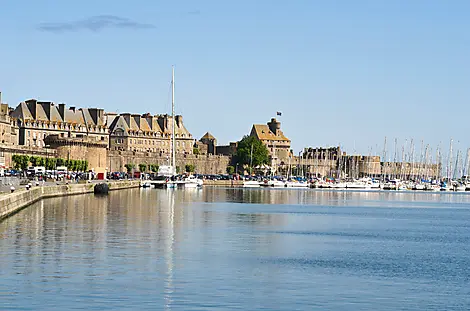
Day 7 - Saint-Malo
The mere mention of Saint-Maloâs name is enough to plunge us back into the richness of its past. The fortifications stand as testimony to the Malouinsâ determination to defend their citadel, fought over by France and Britain in turn. When we drop anchor here, immerse yourself in the diversity of its heritage: the time when privateers sailed the oceans in search of trade and victories; the legendary yacht races the port city is still famous for, such as the Route du Rhum; and the final resting place of the French writer François-René de Chateaubriand, who was born here and chose to be buried here anonymously.
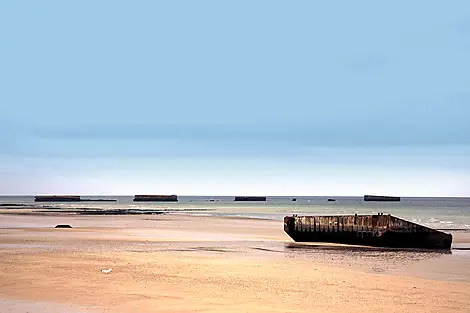
Day 8 - Caen
Located in the heart of Normandy, Caen is the city that William the Conqueror built. Caen Castle, one of the largest walled fortifications in Europe, as well as a Men's Abbey and a Women's Abbey â all were built in the late 11th century by William and his wife, Queen Mathilde of Flanders, both of whom are buried here. Caen is also the site of the first successful action of Allied operations on D-Day, June 6, 1944, when British Airborne forces secured two bridges between Caen and the English Channel. Though the city was badly damaged during WWII, it has now been restored and serves a monument of French resilience.
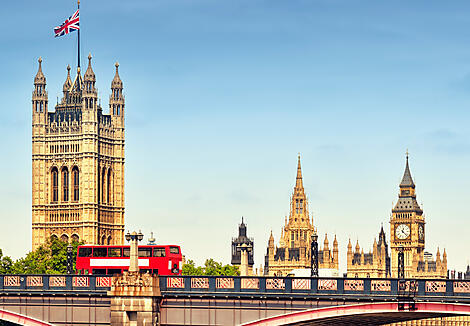
Day 9-10 - London
The main residence of the British monarch, financial hub and seat of British government, London is the economic and cultural heart of the country. A city of contrasts, attached to its traditions while buzzing with modernity, the capital of the United Kingdom has countless historic districts and notable sites to explore. From Hyde Park to the City through Westminster and Trafalgar Square, get ready to take on London's frenetic tempo. In between a visit to the National Gallery, a stroll through Covent Garden and a trip to Tower Bridge, you can take a quiet breather in one of London's many beautiful parks and gardens.
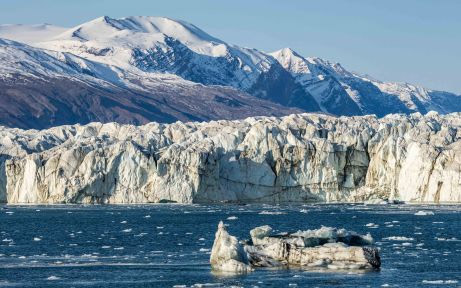
Complete East Greenland
Cruise Line: Albatros Expeditions
Ship: Ocean Albatros
Travel Period: Sep 17 2027
Port: Reykjavik, Iceland to Reykjavik, Iceland
Duration: 12 Days

*Prices are per person in a shared DBL/TWN cabin. Prices do not include Government Fees & Taxes. Pricing and availability subject to change without notice. STIC Travel Group reserves the right to refuse or honor any prices / sailings that are erroneously printed or quoted. Terms & Conditions apply.

We Accept: 
Secured By: 
Copyright © STIC GSA Services Pvt. Ltd. All rights reserved