

Baja and the Sea of Cortez: In Search of the Great Whales - with Smithsonian Journeys
Cruise Line: Ponant Cruise
Boats: Le-Bellot
Travel Period: Feb 10 2027 - Feb 14 2028
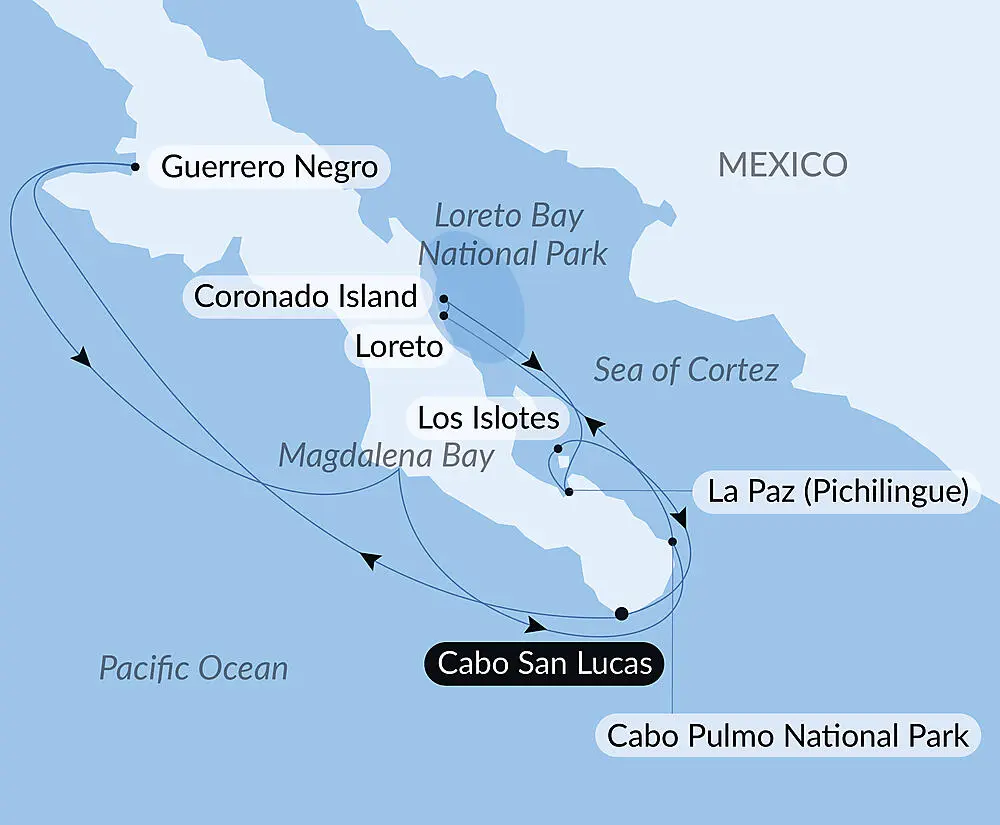
Route: Cabo San Lucas to Cabo San Lucas
Duration: 11 Days
Baja and the Sea of Cortez: In Search of the Great Whales - with Smithsonian Journeys
Day 1 - Cabo San Lucas
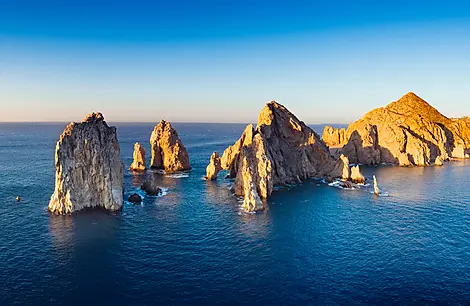
A seaside resort located at the southern tip of the Baja California Peninsula in Mexico, where the Sea of Cortez and the Pacific Ocean come together, Cabo San Lucas has much to offer. Famous for its rock formation emerging from the ocean and its magnificent white sand beaches, the small town also has lively nightlife. Surrounded by charming landscapes, between arid deserts dotted with cacti and spectacular rocky pinnacles, this very popular destination will certainly win you over.
Day 2 - At sea
During your journey at sea, make the most of the many services and activities on board. Treat yourself to a moment of relaxation in the spa or stay in shape in the fitness centre. Depending on the season, let yourself be tempted by the swimming pool or a spot of sunbathing. This journey without a port of call will also be an opportunity to enjoy the conferences or shows proposed on board, depending on the activities offered, or to do some shopping in the boutique or to meet the PONANT photographers in their dedicated space. As for lovers of the open sea, they will be able to visit the shipâs upper deck to admire the spectacle of the waves and perhaps be lucky enough to observe marine species. A truly enchanted interlude, combining comfort, rest and entertainment.
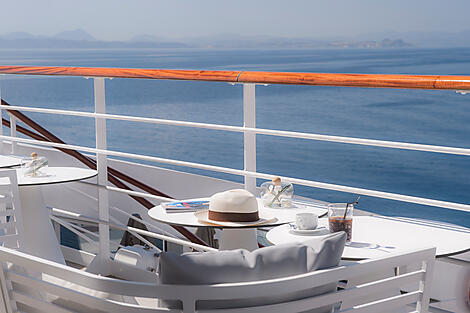
Day 3 - Guerrero Negro
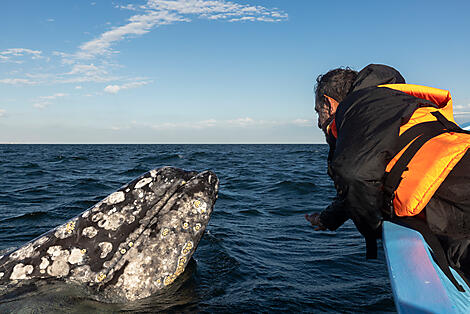
Surrounded by dunes and salt pans, Guerrero Negro offers an unparalleled natural spectacle between the aridity of the desert and the rich marine life. Its bay is a huge expanse of calm and crystal-clear water, providing sanctuary for the grey whales that come here to breed each winter, preserving their ancient migratory cycle, the longest of all mammals. And with good reason, as the survival of the whale calves is always guaranteed by the large quantities of salt that come from Mexicoâs largest salt mine and make the density of the water higher, thus enabling the new born calves to rise to the surface.
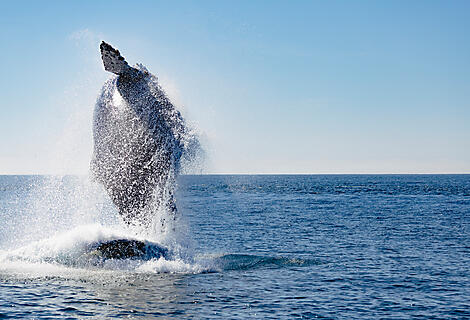
Day 3 - Magdalena Bay
Magdalena Bay, a wild setting on the western coast of Baja California Sur, inspires contemplation. Famous for its protected bay and its exceptional ecosystem, it will fully immerse you in nature, with its landscapes of rare beauty and incomparable tranquillity. Its peaceful waters welcome grey whales and schools of bottlenose dolphins, while the islands of sand sheltered by the bay are home to thousands of birds: cormorants and large pelicans. Finally, you will be captivated by the majestic sand dunes on Magdalena Island. A timeless moment...
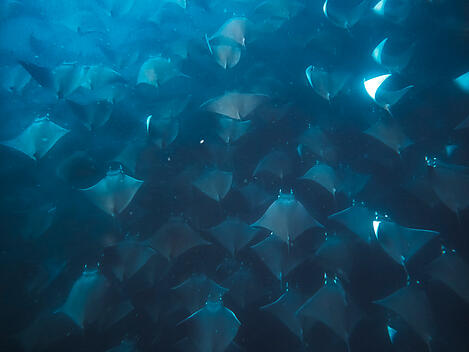
Day 4 - Cabo Pulmo National Park
Cabo Pulmo National Park, at the southeastern point of Baja California, is home to one of North Americaâs oldest coral reefs. This exceptional ecosystem, a UNESCO World Heritage Site, is a real paradise for diving and snorkelling fans. Its turquoise waters, teeming with marine life, from shoals of trevallies and colourful fish to majestic devil rays, earned this place the recognition of Jacques-Yves Cousteau, who described it as âthe worldâs most beautiful aquariumâ in 1970. It is here that the first Baja California community initiated the protection of its area by creating a national marine park. With the help of scientists and local NGOs, these people have abandoned fishing, which was once their main activity, to embrace eco-tourism and transform the region into a model of marine conservation.
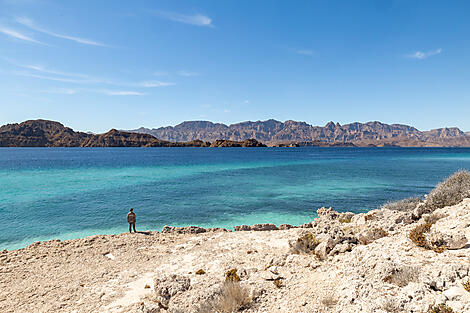
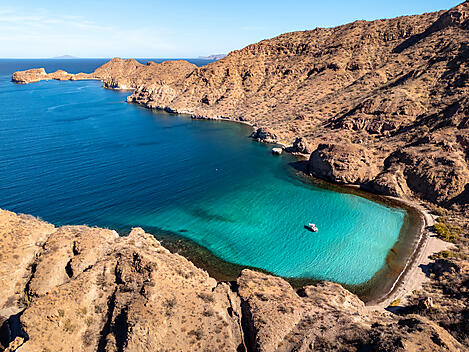
Day 5- Loreto Bay National Park
BahÃa de Loreto National Park, a jewel of the Sea of Cortez, is a sanctuary where the horizon dances with the turquoise waters. Its volcanic islands rise up, mysterious, like guardians of a rare biodiversity. Here, bottlenose dolphins play, blue whales glide, and seabirds, such as large pelicans, draw arabesques in the sky.
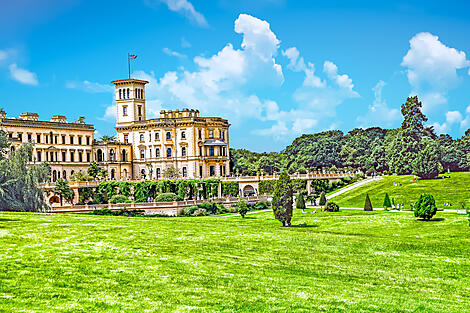
Day 6 - Portree, Isle of Skye
Nestling in the crux of a gorgeous bay, Portree reflects the magnificence of the grandiose Isle of Skye as well as being its main town. Apart from the charm of its colourful houses, the townâs outstanding location on the banks of a loch makes it a very pleasant place to be. From its colourful harbour bustling with local craftsmenâs shops, you can take in a stunning view of the surrounding hills. Before trekking through the wilderness and drinking in the natural beauty of the Isle of Skye, check out some of the beautiful images in the Aros Centre.
Day 7-8 - Loreto
Located at the northernmost tip of the lovely Isle of Mull, Tobermory has to be one of the most beautiful natural seaports on Scotlandâs West Coast. Founded in 1788, this ancient fishing village has been converted to a leisure port highly appreciated today for its surroundings and the quiet charm it exudes. You will definitely be won over by the row of many-storied houses on the hillside, illuminating the harbour with their vibrant colours. Although the real spectacle is outdoors, no less interesting are the Mull Museum dedicated the local history and the exhibitions at the An Tobar art gallery.

Day 8- Coronado Island
In the heart of the Gulf of California, Coronado, the main island of the eponymous archipelago, will delight wilderness fans. Uninhabited and designated a UNESCO World Heritage Site among the islands and protected areas of the Gulf of California, the island is home to extremely rich biodiversity. During a snorkelling trip, youâll be able to admire the exceptional underwater fauna that lives in these turquoise waters: sea lions, sea turtles and multi-coloured fish will provide moving encounters. During a walk with your expedition team, donât miss out on discovering the ancient volcano buried inland.
Day 9- Los Islotes
Los Islotes are rocky islets located to the south west of the California Bay: the site is famous for sheltering a large colony of California sea lions. Used to humans, these sea lions are not shy and can be easily approached. An excursion on a Zodiac® dinghy will provide you with a fantastic opportunity to admire these playful animals, and you will have the possibility of swimming alongside them: a moving experience.
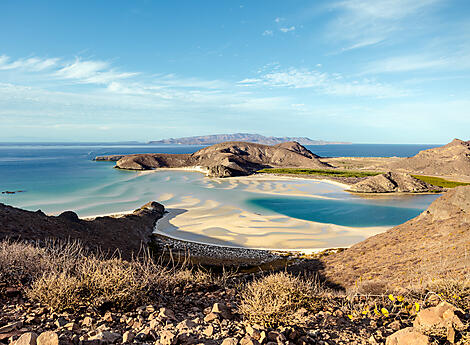
Day 10- La Paz (Pichilingue)
Located on the shores of the Sea of Cortez, nestling between golden deserts and turquoise waters, La Paz will invite you to escape from it all. In this oasis combining a fascinating past with natural beauty, fall under the spell of Balandra, considered to be Baja Californiaâs most beautiful beach, or admire the stunning scenery during a walk along the Malecon boardwalk. Its turquoise waters shelter abundant marine life and are ideal for swimming or kayaking in the mangrove.
Day 11- Cabo San Lucas
A seaside resort located at the southern tip of the Baja California Peninsula in Mexico, where the Sea of Cortez and the Pacific Ocean come together, Cabo San Lucas has much to offer. Famous for its rock formation emerging from the ocean and its magnificent white sand beaches, the small town also has lively nightlife. Surrounded by charming landscapes, between arid deserts dotted with cacti and spectacular rocky pinnacles, this very popular destination will certainly win you over.
Emblematic Antarctica
Travel Period: Nov 17 2026 - Feb 11 2028
Route: Ushuaia - Ushuaia
Duration: 11 Days
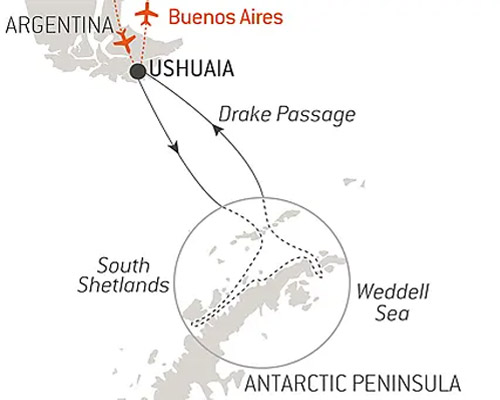
Emblematic Antarctica
Ports of Call & Excursions
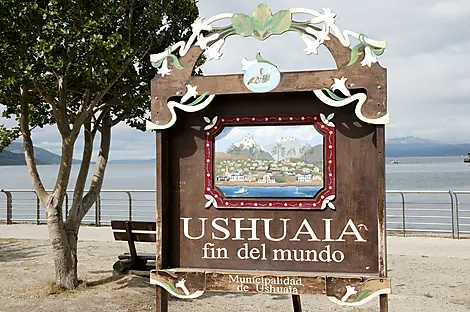
Day 1 - Ushuaia
Capital of Argentina's Tierra del Fuego province, Ushuaia is considered the gateway to the White Continent and the South Pole. Nicknamed âEl fin del mundoâ by the Argentinian people, this city at the end of the world nestles in the shelter of mountains surrounded by fertile plains that the wildlife seem to have chosen as the ultimate sanctuary. With its exceptional site, where the Andes plunge straight into the sea, Ushuaia is one of the most fascinating places on earth, its very name evocative of journeys to the unlikely and the inaccessibleâ¦
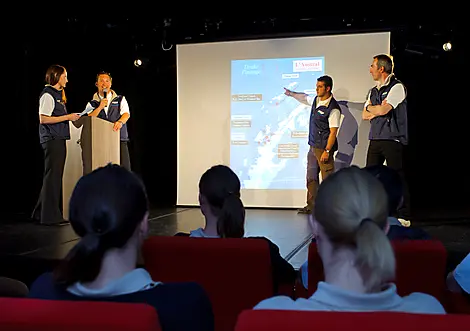
Day 2Â - Â 3 - Crossing the Drake Passage
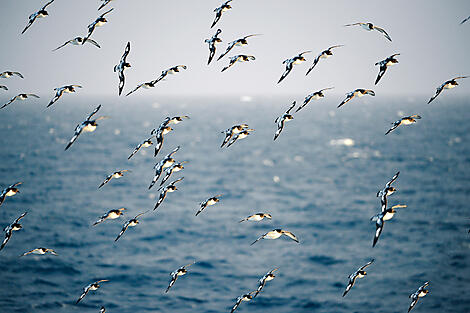
Use your days spent in the Drake Passage to familiarise yourself with your ship and deepen your knowledge of the Antarctic. The Expedition Leader will first present the IAATO rules of conduct that must be observed during landings in the region and will explain everything you need to know about the zodiac outings. Lectures about the history and wildlife of the Antarctic will be an opportunity for you to learn more about this magical region, where every cruise is a unique experience. You will experience exceptional sailing moments on board and join the naturalist-guides on your shipâs exterior decks to look out for albatrosses, cape petrels, and other seabirds flying over the Drake Passage.
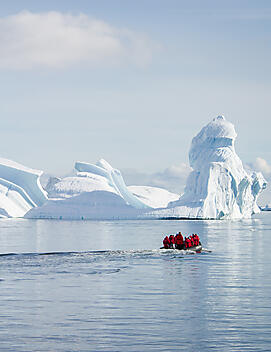
Day 4Â - Â 8 - Antarctic Peninsula
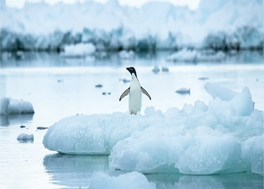
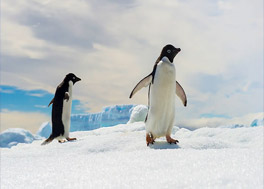
Succumb to the magic of a place unlike any other. To this day, the mythical Antarctic Peninsula still holds real fascination and promises its visitors unforgettable moments. Throughout your adventure in this icy realm, you will find yourself in the heart of a spectacular decor in subtle shades of blue and white, surrounded by exceptional wildlife. Penguins, humpback whales, seals and giant petrels are at home here, as are elephant seals, fur seals, Antarctic minke whales, and orcas. Depending on which sites you will be lucky enough to visit, you may get the chance to observe them and share with them the beauty of these extreme parts.
Each day, based on ice conditions, the Captain and the Expedition Leader will suggest zodiac outings or landings to discover the infinite riches of the Antarctic Peninsula. Glaciers, ice floe, tabletop icebergs, mountain peaks that plunge straight into the sea, volcanic beaches, research stations, enchanting bays, and vestiges of the whaling industry: these are the faces of the Antarctic that will likely reveal themselves to you, in a hushed and surreal atmosphere. You will sail in the wake of Jean-Baptiste Charcot, Adrien de Gerlache and Sir Ernest Shackleton, great Antarctic explorers who, from the 19th century, set out to conquer these remote and uninhabited lands.
Day 9Â - Â 10 - Crossing the Drake Passage
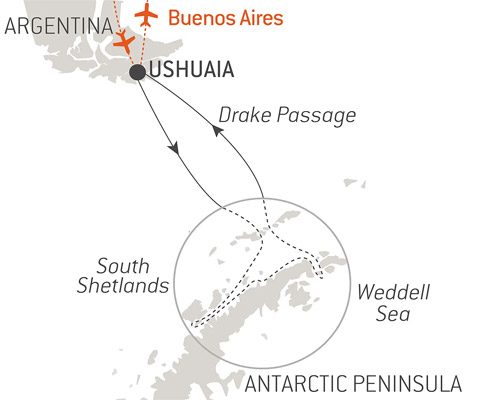
If there is one place, one sea, one waterway dreaded by tourists, researchers and hardened seafarers alike, it is undoubtedly Drake Passage. Situated at the latitude of the infamous Furious Fifties winds, between Cape Horn and the South Shetland Islands, it is the shortest route to connect Antarctica to South America. Seasoned navigators will tell you that you must earn your visit to the White Continent! As the Antarctic convergence zone where cold currents rising up from the South Pole meet warmer equatorial water masses, Drake Passage harbours a very diverse marine fauna. Don't forget to look to the sky to catch a glimpse of elegant albatross and Cape petrels, playfully floating about in the wind around your ship.
Day 11 - Ushuaia
Capital of Argentina's Tierra del Fuego province, Ushuaia is considered the gateway to the White Continent and the South Pole. Nicknamed âEl fin del mundoâ by the Argentinian people, this city at the end of the world nestles in the shelter of mountains surrounded by fertile plains that the wildlife seem to have chosen as the ultimate sanctuary. With its exceptional site, where the Andes plunge straight into the sea, Ushuaia is one of the most fascinating places on earth, its very name evocative of journeys to the unlikely and the inaccessibleâ¦
Antarctica: The White Continent - with Smithsonian Journeys
Travel Period: Jan 17 2027 - Feb 13 2028
Route: Ushuaia - Ushuaia
Duration: 11 Days
Antarctica: The White Continent - with Smithsonian Journeys
Ports of Call & Excursions
Day 1 - Ushuaia
Capital of Argentina's Tierra del Fuego province, Ushuaia is considered the gateway to the White Continent and the South Pole. Nicknamed âEl fin del mundoâ by the Argentinian people, this city at the end of the world nestles in the shelter of mountains surrounded by fertile plains that the wildlife seem to have chosen as the ultimate sanctuary. With its exceptional site, where the Andes plunge straight into the sea, Ushuaia is one of the most fascinating places on earth, its very name evocative of journeys to the unlikely and the inaccessibleâ¦
Day 2Â - Â 3 - Crossing the Drake Passage
Use your days spent in the Drake Passage to familiarise yourself with your ship and deepen your knowledge of the Antarctic. The Expedition Leader will first present the IAATO rules of conduct that must be observed during landings in the region and will explain everything you need to know about the zodiac outings. Lectures about the history and wildlife of the Antarctic will be an opportunity for you to learn more about this magical region, where every cruise is a unique experience. You will experience exceptional sailing moments on board and join the naturalist-guides on your shipâs exterior decks to look out for albatrosses, cape petrels, and other seabirds flying over the Drake Passage.
Day 4Â - Â 8 - Antarctic Peninsula
Succumb to the magic of a place unlike any other. To this day, the mythical Antarctic Peninsula still holds real fascination and promises its visitors unforgettable moments. Throughout your adventure in this icy realm, you will find yourself in the heart of a spectacular decor in subtle shades of blue and white, surrounded by exceptional wildlife. Penguins, humpback whales, seals and giant petrels are at home here, as are elephant seals, fur seals, Antarctic minke whales, and orcas. Depending on which sites you will be lucky enough to visit, you may get the chance to observe them and share with them the beauty of these extreme parts.
Each day, based on ice conditions, the Captain and the Expedition Leader will suggest zodiac outings or landings to discover the infinite riches of the Antarctic Peninsula. Glaciers, ice floe, tabletop icebergs, mountain peaks that plunge straight into the sea, volcanic beaches, research stations, enchanting bays, and vestiges of the whaling industry: these are the faces of the Antarctic that will likely reveal themselves to you, in a hushed and surreal atmosphere. You will sail in the wake of Jean-Baptiste Charcot, Adrien de Gerlache and Sir Ernest Shackleton, great Antarctic explorers who, from the 19th century, set out to conquer these remote and uninhabited lands.
Day 9Â - Â 10 - Crossing the Drake Passage
If there is one place, one sea, one waterway dreaded by tourists, researchers and hardened seafarers alike, it is undoubtedly Drake Passage. Situated at the latitude of the infamous Furious Fifties winds, between Cape Horn and the South Shetland Islands, it is the shortest route to connect Antarctica to South America. Seasoned navigators will tell you that you must earn your visit to the White Continent! As the Antarctic convergence zone where cold currents rising up from the South Pole meet warmer equatorial water masses, Drake Passage harbours a very diverse marine fauna. Don't forget to look to the sky to catch a glimpse of elegant albatross and Cape petrels, playfully floating about in the wind around your ship.
Day 11 - Ushuaia
Capital of Argentina's Tierra del Fuego province, Ushuaia is considered the gateway to the White Continent and the South Pole. Nicknamed âEl fin del mundoâ by the Argentinian people, this city at the end of the world nestles in the shelter of mountains surrounded by fertile plains that the wildlife seem to have chosen as the ultimate sanctuary. With its exceptional site, where the Andes plunge straight into the sea, Ushuaia is one of the most fascinating places on earth, its very name evocative of journeys to the unlikely and the inaccessibleâ¦
Northeast Greenland's unexplored sea ice

Cruise Line: Ponant Cruise
Boats: Le-Commandant-Charcot
Travel Period: May 15 2027 - Jun 16 2028
Route: ReykjavÃk (Iceland) to ReykjavÃk (Iceland)
Duration: 11 Days
toReykjavík.webp "Northeast Greenland's unexplored sea ice")
Northeast Greenland's unexplored sea ice
Day 1 - ReykjavÃk
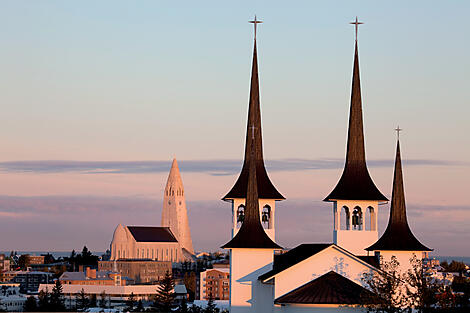
Icelandâs capital stretches along the edge of a vast bay in the west of the country. Perlan, the âPearl of ReykjavÃkâ, a museum located on âOskjuhlið hill, offers a panoramic view of the lush, green landscapes. A little further, one can easily spot the signpost showing the way to the evangelical HallgrÃmskirkja church, and to the historical centre where one can stroll along the SkólavördustÃgur and the Laugavegur, two lively streets with charming small shops. For some relaxation just outside of the city, visitors have the opportunity to visit the Reykjanes peninsula and its famous thermal lagoons of the Blue Lagoon.
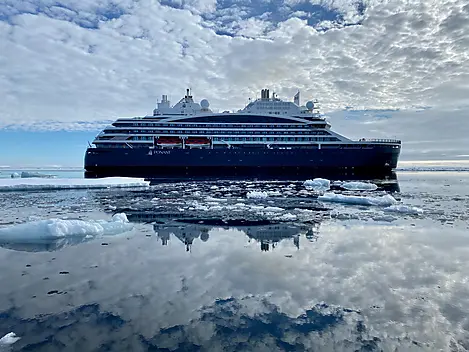
Day 2 - At sea aboard Le Commandant Charcot
Spend exceptional moments sailing aboard Le Commandant Charcot, the worldâs first luxury polar exploration vessel and the first PC2-class polar cruise ship capable of sailing into the very heart of the ice, on seas and oceans which the frozen conditions render inaccessible to ordinary ships. Le Commandant Charcot is fitted with oceanographic and scientific equipment selected by a committee of experts. Take advantage of the on-board lectures and opportunities for discussion with these specialists to learn more about the poles. Participate in furthering scientific research with PONANT and let us discover together what these fascinating destinations have yet to reveal to us.
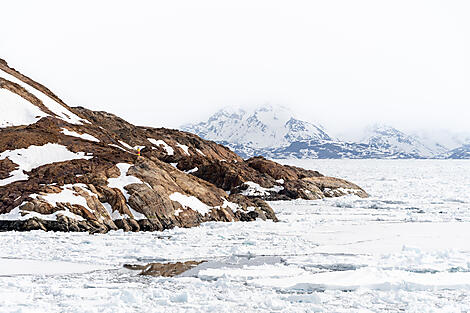
Day 3 - Exploration of Ammassalik Region
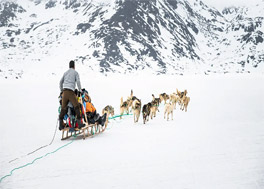
Still relatively unknown just a century ago, the east coast of Greenland remains the most authentic and majestic region in the Arctic. Explore this part of the world where the alpine mountains merge intimately with the sea and the fjords are adorned with high, snow-capped peaks and icebergs drifting or trapped in the pack ice. You will slowly immerse yourself in the heart of frozen landscapes of surreal beauty. The infinite variety of textures in the different types of ice creates an ever-changing scenery. Follow in the wake of the famous Pourquoi Pas?, the ship of Captain Jean-Baptiste Charcot who set off with his crew in 1934 to land Paul-Ãmile Victor in Ammassalik. In this fjord of raw and untamed beauty, the explorer devoted his first ethnographic mission to the Ammassalimiut, a little-known Inuit community. In this deceptively frozen landscape, the silence is broken only by the sounds of dogs and the grating of sled runners against the ice. You will receive a warm welcome in villages still protected by the fast ice. You will have the opportunity to discover the Inuit cultureâs ancestral traditions during joyous and authentic moments shared with the communities.
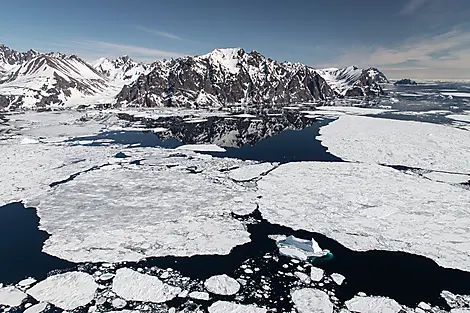
Day 4 - Exploring the Blosseville Coast
Aboard your ship, follow in the footsteps of Jules Poret de Blosseville, a French explorer and sailor. In 1833, he set off to discover this isolated and unexplored part of eastern Greenland aboard La Lilloise, an adventure with a fatal outcome. The uninhabited territory that bears his name lies to the south of Scoresby Sound. Surrounded by ice, icebergs and pack ice - thin or thick, flat or pronounced - as far as the eye can see, Blosseville Coast is a wild and distant place to which very few people have access. Exploring it means a slow immersion into the heart of a frozen, almost unreal desert, where the variations in light transform oneâs perception of the landscape. In the kingdom of the polar bears, Le Commandant Charcot, a silent ship open to the exterior, will offer exceptional moments observing Arctic wildlife, through a series of encounters.
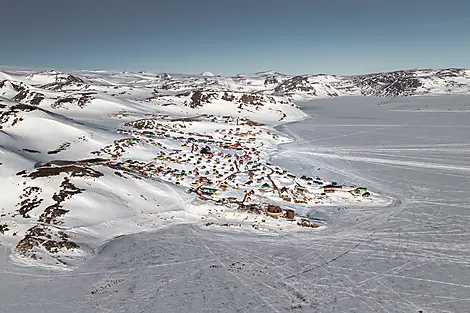
Day 5-7 - Exploration of Ittoqqortoormiit Region
On the East coast of Greenland, in the Ittoqqortoormiit region that is covered with snow and ice for nine months of the year, you will have the rare opportunity of immersing yourself in the heart of an isolated territory and exploring the beauty of its infinite polar whiteness. The high alpine mountains punctuate the sky and gradually reveal their dark rock edges beneath a coat of snow. Located at the entrance to the longest system of fjords in the world, sits the village of Ittoqqortoormiit, one of the northernmost inhabited places on the East coast. Its name means âgreat houseâ in Greenlandic and it is home to the last hunters of the polar region, whose ancestral way of life you will encounter. As soon as the thickness of the ice floe allows it, the hunters set out on the trail of walruses, seals, narwhals, musk oxen and polar bears, travelling by traditional dog sleds. On these expanses of immaculate snow, the silence is broken only by the sounds of the dogs, the grating of a sled coming back from a run or of footsteps on the ice. You will discover Inuit traditions through privileged and festive moments on the ice floe and in the village.
Day 8-9 - Exploring the Blosseville Coast
Aboard your ship, follow in the footsteps of Jules Poret de Blosseville, a French explorer and sailor. In 1833, he set off to discover this isolated and unexplored part of eastern Greenland aboard La Lilloise, an adventure with a fatal outcome. The uninhabited territory that bears his name lies to the south of Scoresby Sound. Surrounded by ice, icebergs and pack ice - thin or thick, flat or pronounced - as far as the eye can see, Blosseville Coast is a wild and distant place to which very few people have access. Exploring it means a slow immersion into the heart of a frozen, almost unreal desert, where the variations in light transform oneâs perception of the landscape. In the kingdom of the polar bears, Le Commandant Charcot, a silent ship open to the exterior, will offer exceptional moments observing Arctic wildlife, through a series of encounters.
Day 10-11 - ReykjavÃk
Icelandâs capital stretches along the edge of a vast bay in the west of the country. Perlan, the âPearl of ReykjavÃkâ, a museum located on âOskjuhlið hill, offers a panoramic view of the lush, green landscapes. A little further, one can easily spot the signpost showing the way to the evangelical HallgrÃmskirkja church, and to the historical centre where one can stroll along the SkólavördustÃgur and the Laugavegur, two lively streets with charming small shops. For some relaxation just outside of the city, visitors have the opportunity to visit the Reykjanes peninsula and its famous thermal lagoons of the Blue Lagoon.
Inuit Spring of Ammassalik
Cruise Line: Ponant Cruise
Boats: Le-Commandant-Charcot
Travel Period: May 15 2027
Route: Reykjavik - Reykjavik
Duration: 11 Days
Inuit Spring of Ammassalik
Ports of Call & Excursions
Day 1 - ReykjavÃk
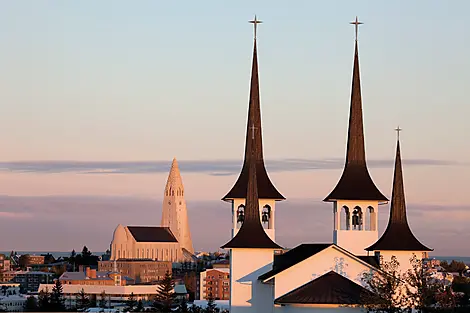
Icelandâs capital stretches along the edge of a vast bay in the west of the country. Perlan, the âPearl of ReykjavÃkâ, a museum located on âOskjuhlið hill, offers a panoramic view of the lush, green landscapes. A little further, one can easily spot the signpost showing the way to the evangelical HallgrÃmskirkja church, and to the historical centre where one can stroll along the SkólavördustÃgur and the Laugavegur, two lively streets with charming small shops. For some relaxation just outside of the city, visitors have the opportunity to visit the Reykjanes peninsula and its famous thermal lagoons of the Blue Lagoon.
Day 2 - Sailing through the Denmark Strait
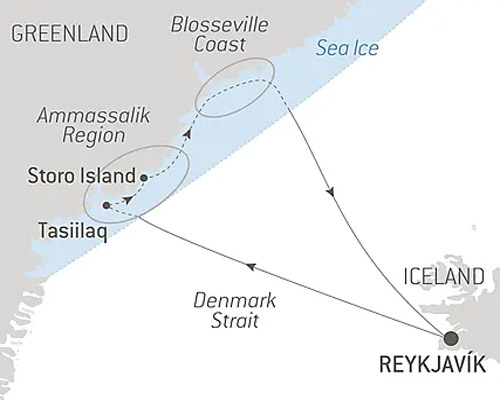
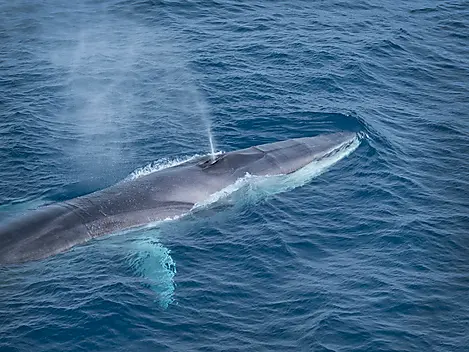
Lying between Greenland and Iceland, the Denmark Strait was crossed for the first time by theVikings in the late 10th century, during Erik the Redâs expeditions. In the Second World War, its waters were the theatre of a battle between the Kriegsmarine and the Royal Navy, on 24 May 1941. In the wintertime, extremely dense pack ice forms along the Greenlandic coasts and, while the Transpolar Drift sweeps icebergs along throughout the year, the strait is generally clear of ice during the summer. In the depths of the strait lies the worldâs largest waterfall, an undersea cataract formed by the difference in temperature between the cold waters of the Greenland Sea and the warmer waters of the Irminger Sea. Numerous cetacean species thrive in this rich ecosystem.
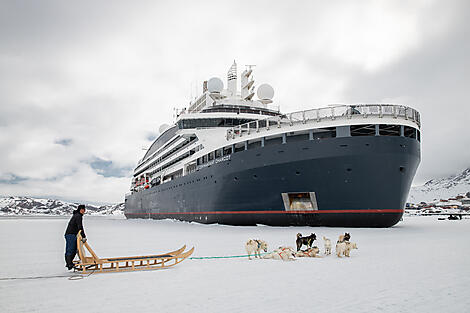
Day 3Â Â - 8 - Exploration of Ammassalik Region
Still relatively unknown just a century ago, the east coast of Greenland remains the most authentic and majestic region in the Arctic. Explore this part of the world where the alpine mountains merge intimately with the sea and the fjords are adorned with high, snow-capped peaks and icebergs drifting or trapped in the pack ice. You will slowly immerse yourself in the heart of frozen landscapes of surreal beauty. The infinite variety of textures in the different types of ice creates an ever-changing scenery. Follow in the wake of the famous Pourquoi Pas?, the ship of Captain Jean-Baptiste Charcot who set off with his crew in 1934 to land Paul-Ãmile Victor in Ammassalik. A small island of primitive and wild beauty, for his first ethnographic mission, during which he would study the Ammassalimiut, a little-known Inuit community. In this deceptively frozen landscape, the silence is broken only by the sounds of dogs and the grating of sled runners against the ice. You will receive a warm welcome in villages still protected by the fast ice. You will have the opportunity to discover the Inuit cultureâs ancestral traditions during joyous and authentic moments shared with the communities.
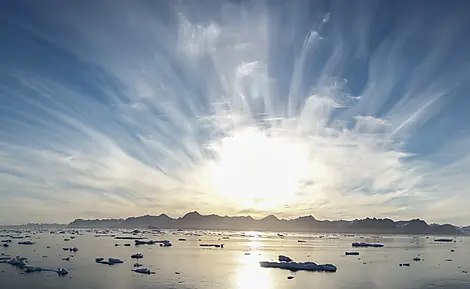
Day 9 - Blosseville Coast
Aboard your ship, follow in the footsteps of Jules Poret de Blosseville, a French explorer and sailor. In 1833, aboard La Lilloise, he set off to discover this isolated and unexplored part of eastern Greenland and gave French names to various sites on the coast. The adventure probably has an unfortunate outcome, since the crew was never found. This uninhabited territory, which now bears his name, lies to the south of Scoresby Sund. Surrounded by ice, icebergs and pieces of pack ice, Blosseville Coast is one of these wild and hard-to-reach places that very few people are lucky enough to explore.
Day 10 - Sailing through the Denmark Strait
Lying between Greenland and Iceland, the Denmark Strait was crossed for the first time by theVikings in the late 10th century, during Erik the Redâs expeditions. In the Second World War, its waters were the theatre of a battle between the Kriegsmarine and the Royal Navy, on 24 May 1941. In the wintertime, extremely dense pack ice forms along the Greenlandic coasts and, while the Transpolar Drift sweeps icebergs along throughout the year, the strait is generally clear of ice during the summer. In the depths of the strait lies the worldâs largest waterfall, an undersea cataract formed by the difference in temperature between the cold waters of the Greenland Sea and the warmer waters of the Irminger Sea. Numerous cetacean species thrive in this rich ecosystem.
Day 11 - ReykjavÃk
Icelandâs capital stretches along the edge of a vast bay in the west of the country. Perlan, the âPearl of ReykjavÃkâ, a museum located on âOskjuhlið hill, offers a panoramic view of the lush, green landscapes. A little further, one can easily spot the signpost showing the way to the evangelical HallgrÃmskirkja church, and to the historical centre where one can stroll along the SkólavördustÃgur and the Laugavegur, two lively streets with charming small shops. For some relaxation just outside of the city, visitors have the opportunity to visit the Reykjanes peninsula and its famous thermal lagoons of the Blue Lagoon.
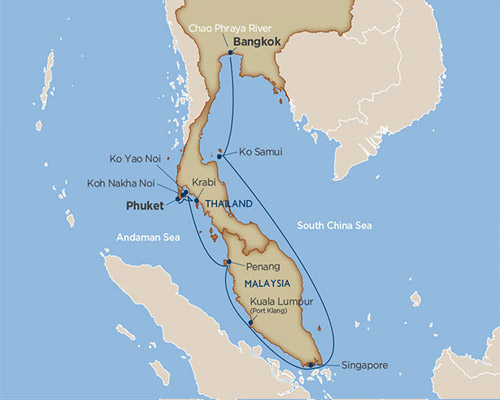
11 Days - Tantalizing Thailand & Sparkling Singapore
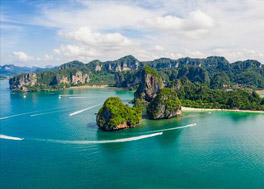
Cruise Line: Windstar Cruise
Boats: Star Seeker
Travel Period: Nov 25 2026 - Feb 05 2028
Route: Phuket, Thailand to Klong Toei (Bangkok), Thailand
Duration: 12 Days
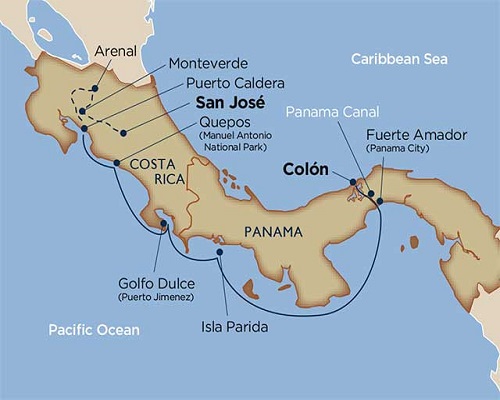
12 Days - Monteverde Cloud Forest & Arenal Volcano Cruise Tour
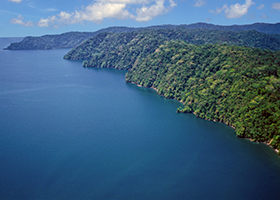
Cruise Line: Windstar Cruise
Boats: Star Legend
Travel Period: Dec 05 2026 - Dec 24 2027
Route: Puerto Caldera to Colon
Duration: 12 Days
11 Days - Tantalizing Thailand & Sparkling Singapore[Klong Toei (Bangkok), to Phuket]
Cruise Line: Windstar Cruise
Boats: Star Seeker
Travel Period: Nov 25 2026 - Jan 25 2028
Route: Klong Toei (Bangkok), Thailand to Phuket, Thailand
Duration: 12 Days
![11 Days - Tantalizing Thailand & Sparkling Singapore[Klong Toei (Bangkok), to Phuket]](/images/packages/extraimages/6970_Tantalizing-Thailand-&-Sparkling-Singapore-map.jpg "11 Days - Tantalizing Thailand & Sparkling Singapore[Klong Toei (Bangkok), to Phuket]")
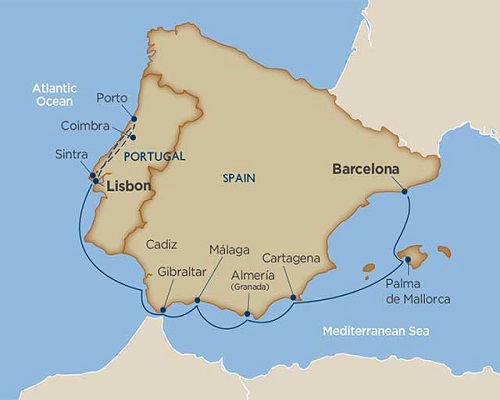
12 Days - Portuguese Passages & Spanish Shorelines Cruise Tour
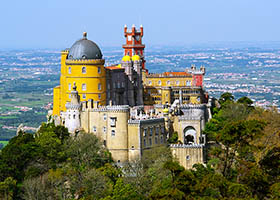
Cruise Line: Windstar Cruise
Boats: Wind Surf | Star Legend
Travel Period: Oct 30 2026 - Jun 12 2027
Route: Lisbon to Barcelona
Duration: 12 Days
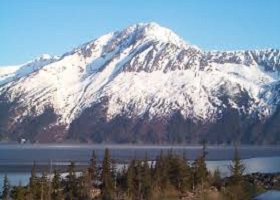
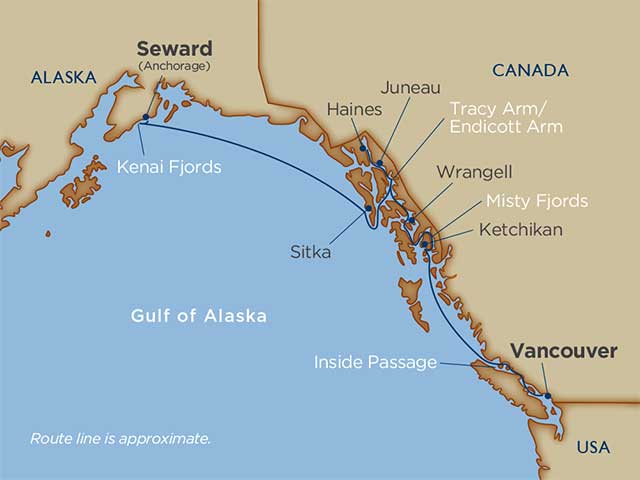
11 days - Alaskan Splendors - Star Seeker
Cruise Line: Windstar Cruise
Boats: Star Seeker
Travel Period: Jul 27 2027 - Jul 11 2028
Route: Seward [Anchorage] to Vancouver
Duration: 12 Days

We Accept: 
Secured By: 
Copyright © STIC GSA Services Pvt. Ltd. All rights reserved