

Asia - Ponant Cruises
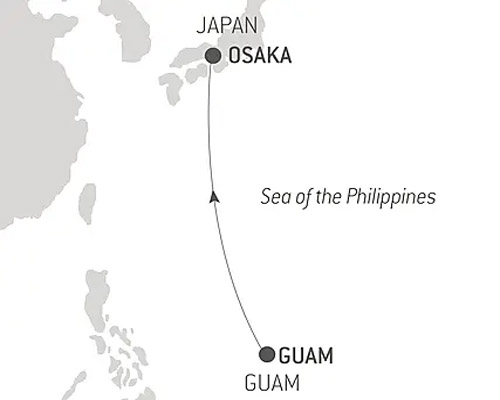
Ocean Voyage: Guam - Osaka
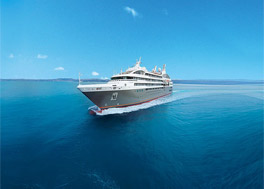
Cruise Line: Ponant Cruise
Ship: Le Soleal
Travel Period: Mar 09 2027
Port: Guam - Osaka
Duration: 6 Days
Ocean Voyage: Guam - Osaka
Ports of Call & Excursions
Day 1 - Guam
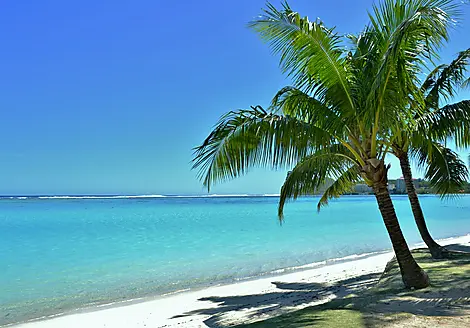
In the Western Pacific, you will call at Guam, the largest volcanic island of Micronesia and the Mariana Islands. Here, the crystal-clear waters and white sandy beaches create a picture-postcard setting, ideal for relaxation and a break from it all. This little-known island, today under the administration of the United States, also offers you the opportunity to visit a number of historical sites, vestiges of Spanish colonisation, and to discover the culture of the Chamorros, the first inhabitants of the islands, talented craftspeople who have preserved their traditions.
Â
Day 2Â Â - 5 - At sea
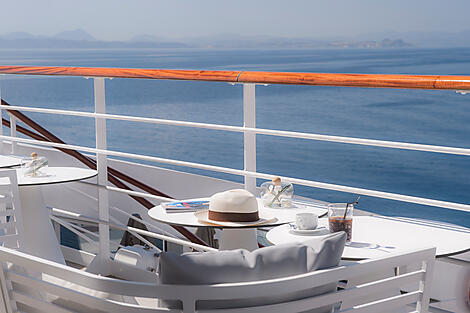
During your journey at sea, make the most of the many services and activities on board. Treat yourself to a moment of relaxation in the spa or stay in shape in the fitness centre. Depending on the season, let yourself be tempted by the swimming pool or a spot of sunbathing. This journey without a port of call will also be an opportunity to enjoy the conferences or shows proposed on board, depending on the activities offered, or to do some shopping in the boutique or to meet the PONANT photographers in their dedicated space. As for lovers of the open sea, they will be able to visit the shipâs upper deck to admire the spectacle of the waves and perhaps be lucky enough to observe marine species. A truly enchanted interlude, combining comfort, rest and entertainment.
Day 6 - Osaka
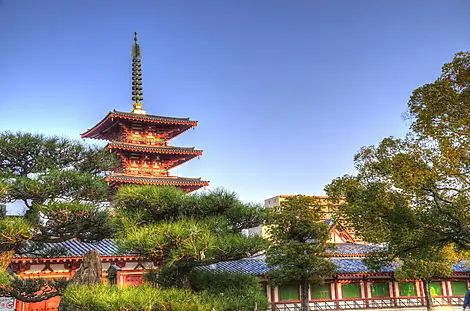
Like its big sister Tokyo, Osaka is the product of ancestral traditions and amazing technological innovations. And despite its size, its location on the Pacific Ocean give it a sense of serenity. The main historic landmark is the 16th century Osaka Castle, which stands proud in the midst of majestic skyscrapers. The lively streets of Dotomburi and the bizarre Shinsekai district attract thousands of locals and visitors. A multitude of restaurants offer menus full of regional specialities: takoyaki, made with octopus, and other succulent dishes such as kushikatsu kebabs.
Odyssey in the heart of Japan's subtropical islands[Keelung- Osaka]
![Odyssey in the heart of Japan's subtropical islands[Keelung- Osaka]](/images/packages/Odyssey-in-the-heart-of-Japan.jpg "Odyssey in the heart of Japan's subtropical islands[Keelung- Osaka]")
Cruise Line: Ponant Cruise
Ship: Le-Jacques-Cartier
Travel Period: Sep 20 2027
Port: Keelung (Chilung) (Taiwan) to Osaka (Japan)
Duration: 10 Days
![Odyssey in the heart of Japan's subtropical islands[Keelung- Osaka]](/images/packages/extraimages/9836_Osaka-Keelung.jpg "Odyssey in the heart of Japan's subtropical islands[Keelung- Osaka]")
Odyssey in the heart of Japan's subtropical islands[Keelung- Osaka]
Ports of Call & Excursions
Day 1 - Keelung (Chilung)
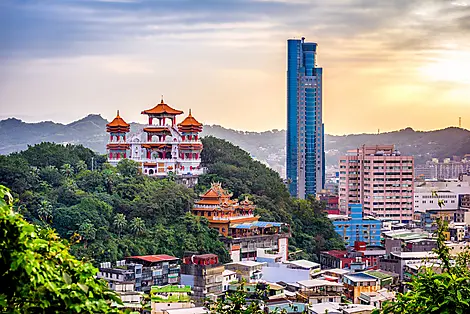
On the north-east tip of Taiwan, the harbour city of Keelung stands on one of the most beautiful coasts on the island. Nearby is the spectacular natural park of Yehliu, famed for its striking rock formations. It's easy to tour the city's historical sites on trails that cross the lush green hills surrounding the harbour from Chung Cheng Park to Fort Ershawan, you can enjoy superb views of Keelung and the coastline. But the main attraction is the Miaokou night market, where you can taste some typically Taiwanese culinary delights.
Day 2 - Ishigaki
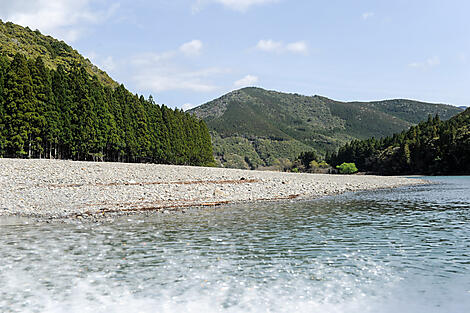
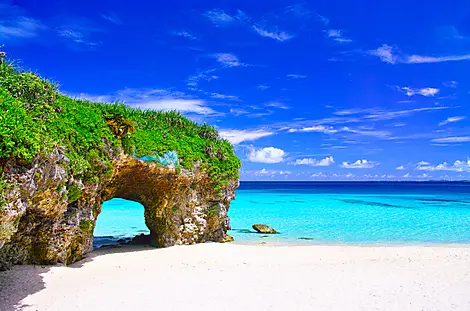
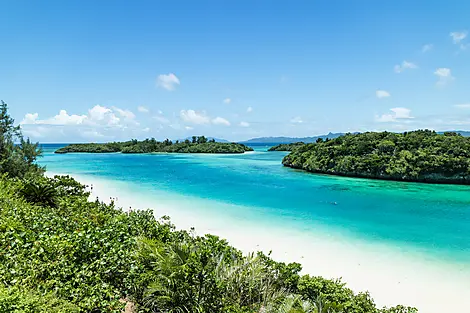
Located to the south of the main island of the Yaeyama archipelago, Ishigaki boasts all the aspects of an authentic piece of paradise. You have guessed it, you do not come here for its skyscrapers but for its pure emerald waters and idyllic beaches. The waters off Shiraho, on the island's south-west coast, have one of the largest areas of blue coral in the world.
Day 3 - Miyakojima
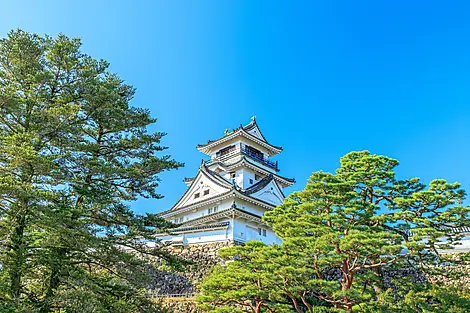
Situated between the East China Sea and the Philippine Sea, Miyakojima is the main island of the Miyako Islands, in the Sakishima archipelago. The fourth largest island in the Okinawa prefecture, it is known for its many sugar cane plantations and some of Japanâs most beautiful beaches.
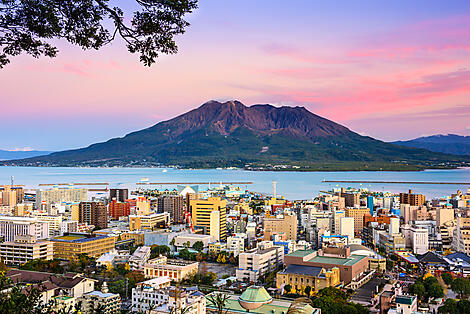
Day 4 - Naha, Okinawa
Capital of Okinawa Prefecture, the town of Naha is located on the south-west of the island. You will love its lively atmosphere, particularly along Kokusai Dori, otherwise known as 'international street'. The picturesque Makishi Public Market, nicknamed 'Naha's kitchen' offers a profusion of colourful fish, Okinawan foodstuffs and local spices and you can sample delicacies cooked on the spot.
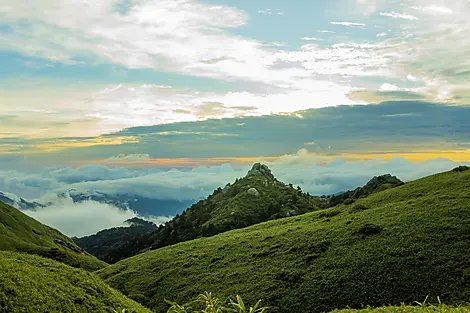
Day 5 - Motobu, Okinawa
To the north of the island of Okinawa, lying between the azure ocean and lush hills, Motobu inspires contemplation. This Japanese paradise, far off the beaten track, unveils landscapes steeped in poetry. A setting of pristine nature, with Mount Yae as a backdrop, Motobu reveals itself through its white sandy beaches and its wild and preserved Yambaru forest, home to a rare wealth of fauna and flora. Travel back into Okinawaâs fascinating past by discovering the Nakijin Castle site, a UNESCO World Heritage Site, followed by a walk through the historic district of Bise, renowned for its impressive green tunnels.
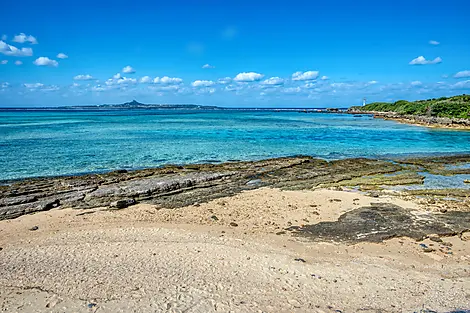
Day 6 - Miyanoura, Yakushima
Yakushima is a striking island in the South of Japan, covered in forest and listed as a UNESCO World Heritage Site. Hikers are very fond of this destination because of the lush vegetation, Mount Miyanoura, the waterfalls and cascades. But without a doubt, the symbol of the island remains its many age-old cedar trees which is said to have inspired some of the scenes in the animated film Princess Mononoke. On this island, you will also find wildlife including the Japanese macaque, the sika deer, and green sea turtles which lay their eggs on the magnificent sandy beaches here.
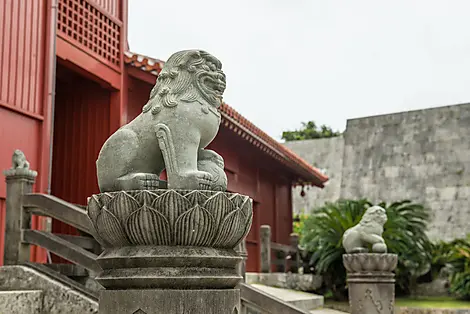
Day 7 - Kagoshima
The seaside city of Kagoshima, at the south of Kyushu Island, ï¾ is best known for Sakurajima, an active volcano that faces Kinko Bay. A visit to this busy metropolis will remind you just how much the volcano is part of the inhabitants' everyday life: in the wake of the almost daily eruptions, a delicate layer of ash settles on everything. The top of a buried torii (traditional Japanese gate) measuring three metres that was 'swallowed up' by a giant lava flow in 1914 can still be seen. The power of nature will send a shiver down your spine.
Day 8 - Kochi
The fourth largest island in the Nippon archipelago, Shikoku, is also the best preserved. Here, forests and oceans stretch as far as the eye can see. On the southern coast of the island, Kochi, the tranquil metropolis will quietly welcome you. You can enjoy a lively town, with many commercial centres and restaurants. On the menu, katsuo tataki, a local speciality with delicately grilled fish. But Kochi, overlooked by the benevolent shadow of its castle, also invites you to explore its magnificent Katsurahama beach, its museums and Buddhist temples, the site of a famous annual pilgrimage.
Day 9 - Shingu
To the south-west of the Japanese archipelago, Shingu is a port town in the Kansai region. Founded in 1933, it belongs to the peninsula of Kii, the countryï¾s largest. Take a trip around the Kumano Sanzan religious complex dedicated to three sacred mountains and home to two Shinto temples, Kumano Hong? Taisha and Kumano Hayatama Taisha.ï¾ The latter features the famous sacred nagi tree, said to have been planted around 1159. Pilgrims flock to these two sanctuaries that feature on UNESCO's World Heritage list. Hop on a boat and journey to the Dorokyo Gorge, a natural beauty spot carved out by the emerald waters of the Kumano river.
Day 10 - Osaka
Like its big sister Tokyo, Osaka is the product of ancestral traditions and amazing technological innovations. And despite its size, its location on the Pacific Ocean give it a sense of serenity. The main historic landmark is the 16th century Osaka Castle, which stands proud in the midst of majestic skyscrapers. The lively streets of Dotomburi and the bizarre Shinsekai district attract thousands of locals and visitors. A multitude of restaurants offer menus full of regional specialities: takoyaki, made with octopus, and other succulent dishes such as kushikatsu kebabs.
Treasures of Japan and South Korea by Sea - with Smithsonian
Cruise Line: Ponant Cruise
Ship: Le Soleal
Travel Period: May 01 2027 - Apr 02 2028
Port: Busan to Osaka
Duration: 9 Days
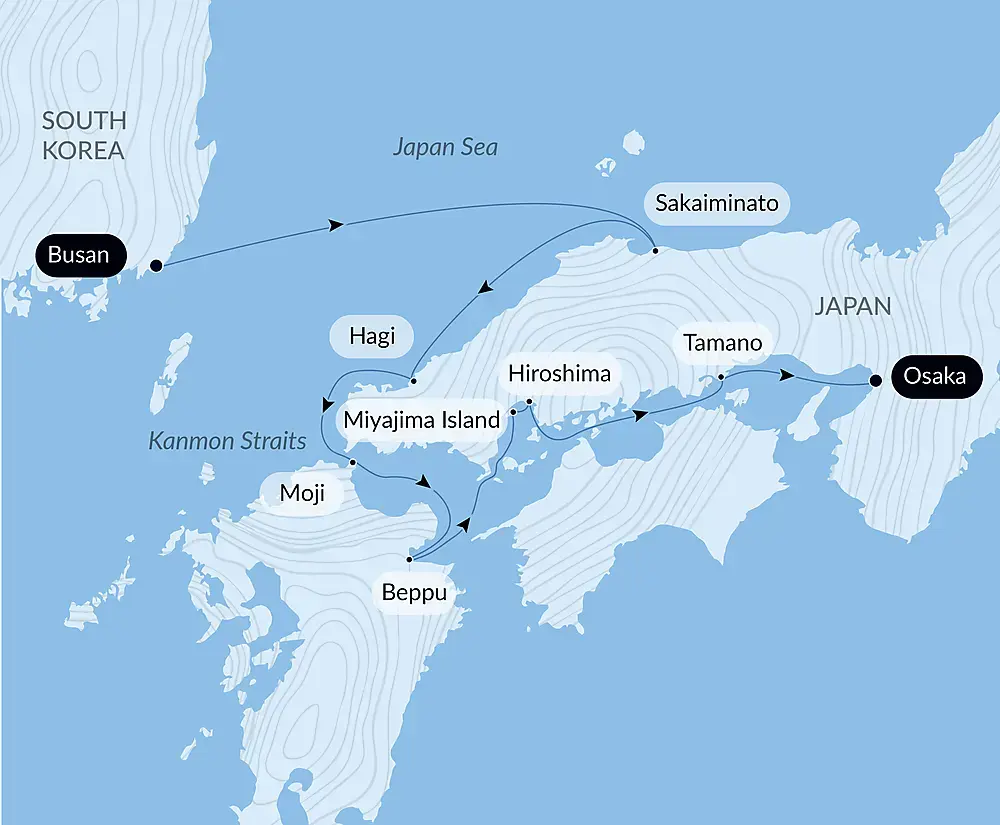
Treasures of Japan and South Korea by Sea - with Smithsonian
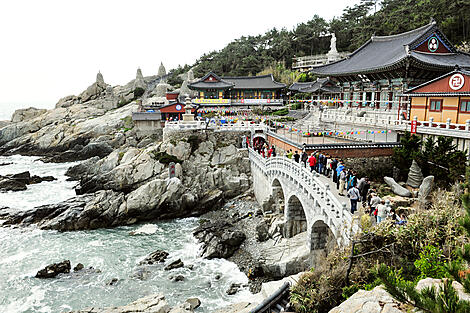
Day 1-2 - Busan
With around four million inhabitants, Busan is the second largest metropolis on South Korea, after Seoul. This dynamic harbour city, located in the south-east, surrounded by the warm waters of the Sea of Japan, benefits from a mild, pleasant climate. Youâll find delightful simply to stroll around the lively streets and explore the cityâs outstanding cultural heritage of art galleries, museums, and Buddhist sites, such as the Haedong Yonggungsa temple, which elegantly sits on the waterfront. Rich too in magnificent beaches and superlative natural landscapes, Busanâs peaceful atmosphere will win you over, as will its inhabitants, whom youâll have the pleasure of meeting.

Day 3 - Sakaiminato
Located on the south-west coast of Honshu Island, the busy fishing port of Sakaiminato celebrates the comic writer and artist Shigeru Mizuki, who was born here. As well as a museum a dedicated tourist route leads through streets and squares that feature 134 bronze statues representing his beloved characters. This isn't the only thing Sakaiminato has to offer; try some local seafood specialities and enjoy the stunning views of Mt Daisen and the Yumigahama peninsula.
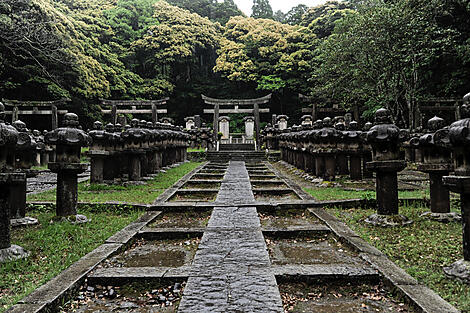
Day 4- Hagi
In the south of Honshu island, surrounded by mountains, Hagi is a city of water. For good reason; it was built on the delta of the Abu-gawa river. Its castle was built in the 17th century and its outer walls remain in the lovely Shizuki Park. The old town was one of the cradles of the Meiji revolution. You will discover its rich past in streets lined with old houses and samurai manors, or within the walls of the many museums and Hagi-yaki ceramics workshops.
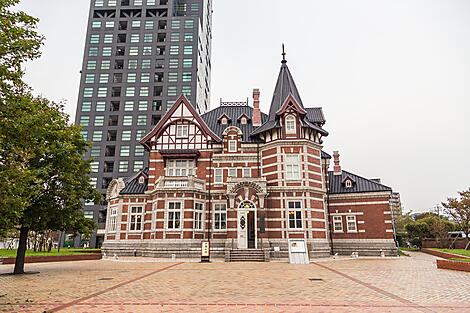
Day 5 - Moji, Kitakyushu
At the mouth of the Kanmon Straits lies Mojiko, the northernmost port of Kyushu, one of Japanâs four main islands. For many years, Mojiko was the gateway to the island. Today, the old boats are gone, but as you stroll around the picturesque streets you will discover a well-preserved architectural heritage that evokes traditional Japan from the first Meiji era of the late 19th century. From the heights of the Mojiko Retro Observation Room, you can enjoy the amazing views that take in the Shinto shrine and coastal landscape like a postcard of the Land of the Rising Sun.
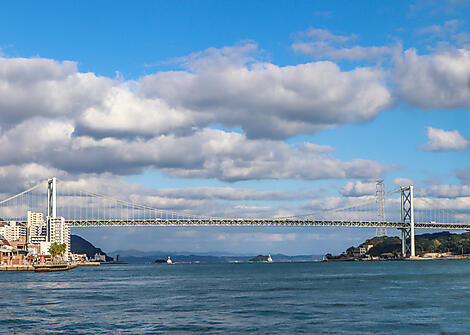
Day 5- Crossing the Kanmon Straits
Sailing in the Kanmon Straits, between the Japanese islands of Honshu and Kyushu, promises an unforgettable experience. During the crossing of this emblematic maritime passage linking the Sea of Japan to the Seto Inland Sea, fall under the spell of this traditional Japan, with its charming picturesque fishing ports and its shrines built in the heart of enchanting nature, between verdant hilly peaks and captivating granite cliffs.
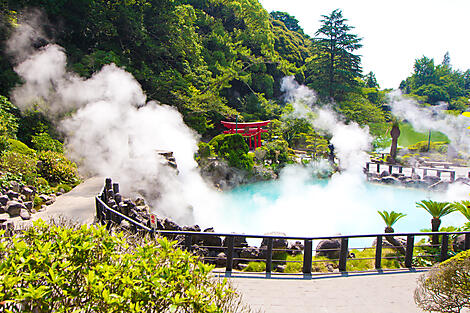
Day 6 - Beppu, Oita
A favourite destination for the Japanese, Beppu is now famous throughout the Japanese archipelago thanks to its onsen â volcanic hot springs in which people immerse themselves to relax with family or friends. From Beppu, you will set off to discover a lush, peaceful valley in which sit 60 majestic stone Buddhas carved out of the cliff face between the 12th and 14th centuries. Exuding a soothing air of serenity, the Mangetsuji site seems to have drifted off to sleep in the heart of a dense bamboo forest surrounded by rice fields. Recognised as a National Treasure of Japan, this set of sacred sculptures offers travellers a unique, wonderful experience.
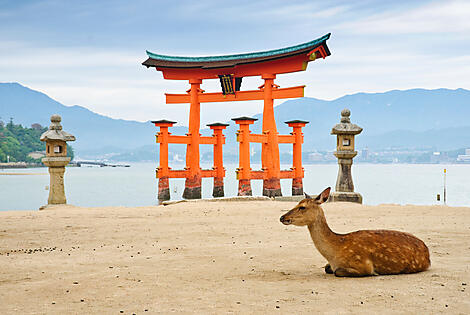
Day 7 - Miyajima Island
At the heart of the Inland Sea, Miyajima, the âisland sanctuaryâ will reveal its treasures. In the background you will see the Shinto Grand Sanctuary, whose entrance is guarded by a magnificent vermillion âToriiâ. Considered to be one of the most beautiful sites in the Japanese islands, you will be transported by the unique character and the serenity of this sacred site.
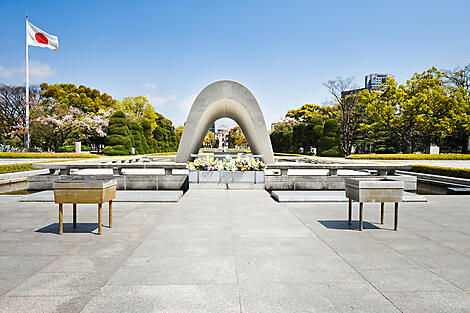
Day 7 - Hiroshima
Visiting Hiroshima is a moving experience. The town spreads along Honshu Island, along the inside coasts of Seto. While firmly focused on the future, Hiroshima doesn't forget its past, and a visit to the Peace Memorial Park and Genbaku Dome is a must. You'll enjoy the city's modern, cosmopolitan atmosphere and effervescent nightlife just as much as the peaceful stillness of its natural parkland areas such as splendid Shukkei-en, the town's historic garden.
Day 8 - Tamano
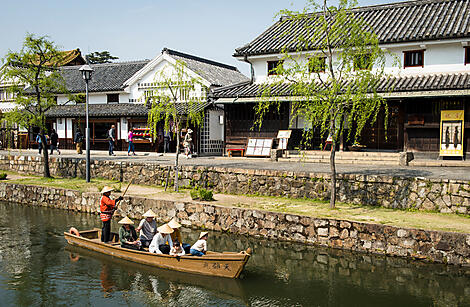
Located on the island of Honshu, hugging the banks of the Sento Inland Sea, Tamano is a popular destination thanks to its sun-drenched climate. Upon arrival, marvel at the way in which the city has been built along the coast at the foot of a deep, dark forest. In the area surrounding Tamano, stroll down the streets of Kurashiki, known as the 'white-walled city' in a nod to the pretty façades of the houses that line the streets of this ancient Edo-period trading town. Another major regional attraction is the Seto Ohashi bridge. Its 12.5 kilometres make it the world's longest double-decker bridge.
Day 9 - Osaka
Like its big sister Tokyo, Osaka is the product of ancestral traditions and amazing technological innovations. And despite its size, its location on the Pacific Ocean give it a sense of serenity. The main historic landmark is the 16th century Osaka Castle, which stands proud in the midst of majestic skyscrapers. The lively streets of Dotomburi and the bizarre Shinsekai district attract thousands of locals and visitors. A multitude of restaurants offer menus full of regional specialities: takoyaki, made with octopus, and other succulent dishes such as kushikatsu kebabs.
The Best of Japan
Cruise Line: Ponant Cruise
Ship: Le Soleal
Travel Period: May 09 2027
Port: Osaka - Busan
Duration: 9 Days
The Best of Japan
Ports of Call & Excursions
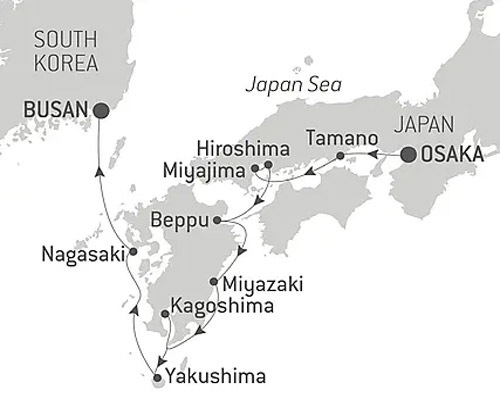
Day 1 - Osaka
Like its big sister Tokyo, Osaka is the product of ancestral traditions and amazing technological innovations. And despite its size, its location on the Pacific Ocean give it a sense of serenity. The main historic landmark is the 16th century Osaka Castle, which stands proud in the midst of majestic skyscrapers. The lively streets of Dotomburi and the bizarre Shinsekai district attract thousands of locals and visitors. A multitude of restaurants offer menus full of regional specialities: takoyaki, made with octopus, and other succulent dishes such as kushikatsu kebabs.
Day 2 - Tamano
Located on the island of Honshu, hugging the banks of the Sento Inland Sea, Tamano is a popular destination thanks to its sun-drenched climate. Upon arrival, marvel at the way in which the city has been built along the coast at the foot of a deep, dark forest. In the area surrounding Tamano, stroll down the streets of Kurashiki, known as the 'white-walled city' in a nod to the pretty façades of the houses that line the streets of this ancient Edo-period trading town. Another major regional attraction is the Seto Ohashi bridge. Its 12.5 kilometres make it the world's longest double-decker bridge.
Day 3 - Miyajima Island
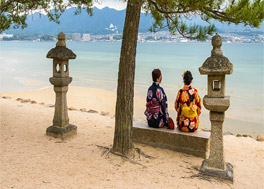
At the heart of the Inland Sea, Miyajima, the âisland sanctuaryâ will reveal its treasures. In the background you will see the Shinto Grand Sanctuary, whose entrance is guarded by a magnificent vermillion âToriiâ. Considered to be one of the most beautiful sites in the Japanese islands, you will be transported by the unique character and the serenity of this sacred site.
Day 3 - Hiroshima
Visiting Hiroshima is a moving experience. The town spreads along Honshu Island, along the inside coasts of Seto. While firmly focused on the future, Hiroshima doesn't forget its past, and a visit to the Peace Memorial Park and Genbaku Dome is a must. You'll enjoy the city's modern, cosmopolitan atmosphere and effervescent nightlife just as much as the peaceful stillness of its natural parkland areas such as splendid Shukkei-en, the town's historic garden.
Day 4 - Beppu, Oita
A favourite destination for the Japanese, Beppu is now famous throughout the Japanese archipelago thanks to its onsen â volcanic hot springs in which people immerse themselves to relax with family or friends. From Beppu, you will set off to discover a lush, peaceful valley in which sit 60 majestic stone Buddhas carved out of the cliff face between the 12th and 14th centuries. Exuding a soothing air of serenity, the Mangetsuji site seems to have drifted off to sleep in the heart of a dense bamboo forest surrounded by rice fields. Recognised as a National Treasure of Japan, this set of sacred sculptures offers travellers a unique, wonderful experience.
Day 5 - Miyazaki
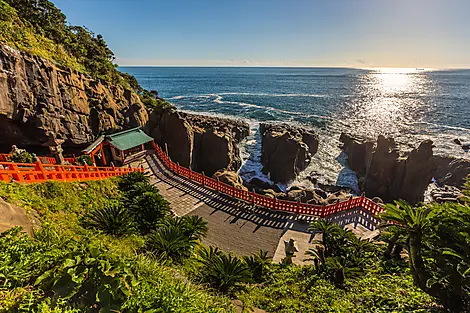
The cradle of Japanese mythology, Miyazaki is a hidden treasure on the southern coast of KyÅ«shÅ«. Known for its climate, its golden beaches and its spectacular rocky formations, it is an invitation to exploration and contemplation. In the heart of the city, the Miyazaki-jingÅ« Shinto shrine stands majestically, surrounded by ancient forests and peaceful gardens, in which an atmosphere of serenity reigns. Make the most of the authenticity of this city with fascinating local culture and, during the visit of the Miyazaki Shrine, fall under the spell of the kagura, a dance and song performance by the shrineâs priests and helpers.
Day 6 - Kagoshima
The seaside city of Kagoshima, at the south of Kyushu Island, ï¾ is best known for Sakurajima, an active volcano that faces Kinko Bay. A visit to this busy metropolis will remind you just how much the volcano is part of the inhabitants' everyday life: in the wake of the almost daily eruptions, a delicate layer of ash settles on everything. The top of a buried torii (traditional Japanese gate) measuring three metres that was 'swallowed up' by a giant lava flow in 1914 can still be seen. The power of nature will send a shiver down your spine.
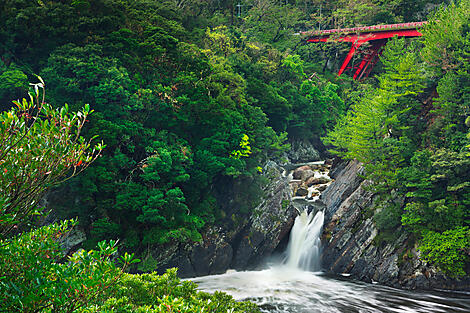
Day 7 - Yakushima
A splendid sub-tropical, mountainous island listed by UNESCO as a World Heritage site, Yakushima is one of the most beautiful islands in the Japanese archipelago. Its extensive yakusugi forest contains some of Japanï¾s oldest living trees ï¾ cedars that are over 1000 metres tall and up to 7,000 years old. The Senpiro and Toroki waterfalls, each one several dozens of metres high, are equally impressive. A feast for the eyes.
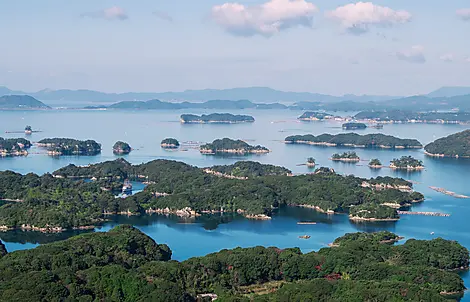
Day 8 - Nagasaki
Located on the north-west coast of Kyushu, Nagasaki will impress you by its rich heritage. Despite the destruction in 1945, you can visit several ancient sites, including the beautiful 19th-century Catholic Church of Oura and its garden, the sanctuary of Suwa Shrine or several Buddhist temples. A visit to the Atomic Bomb Museum gives you insight into the extent of the damage caused by the nuclear attack. Close by, a walk in the Memorial Peace Park leads you to a collection of objets d'art offered as a gift from Japan to the world.
Day 9 - Busan
With around four million inhabitants, Busan is the second largest metropolis on South Korea, after Seoul. This dynamic harbour city, located in the south-east, surrounded by the warm waters of the Sea of Japan, benefits from a mild, pleasant climate. Youâll find delightful simply to stroll around the lively streets and explore the cityâs outstanding cultural heritage of art galleries, museums, and Buddhist sites, such as the Haedong Yonggungsa temple, which elegantly sits on the waterfront. Rich too in magnificent beaches and superlative natural landscapes, Busanâs peaceful atmosphere will win you over, as will its inhabitants, whom youâll have the pleasure of meeting.
Tropical Indonesian Odyssey
Cruise Line: Ponant Cruise
Ship: Le Soleal
Travel Period: Jun 15 2027
Port: Benoa, Bali to Darwin
Duration: 14 Days
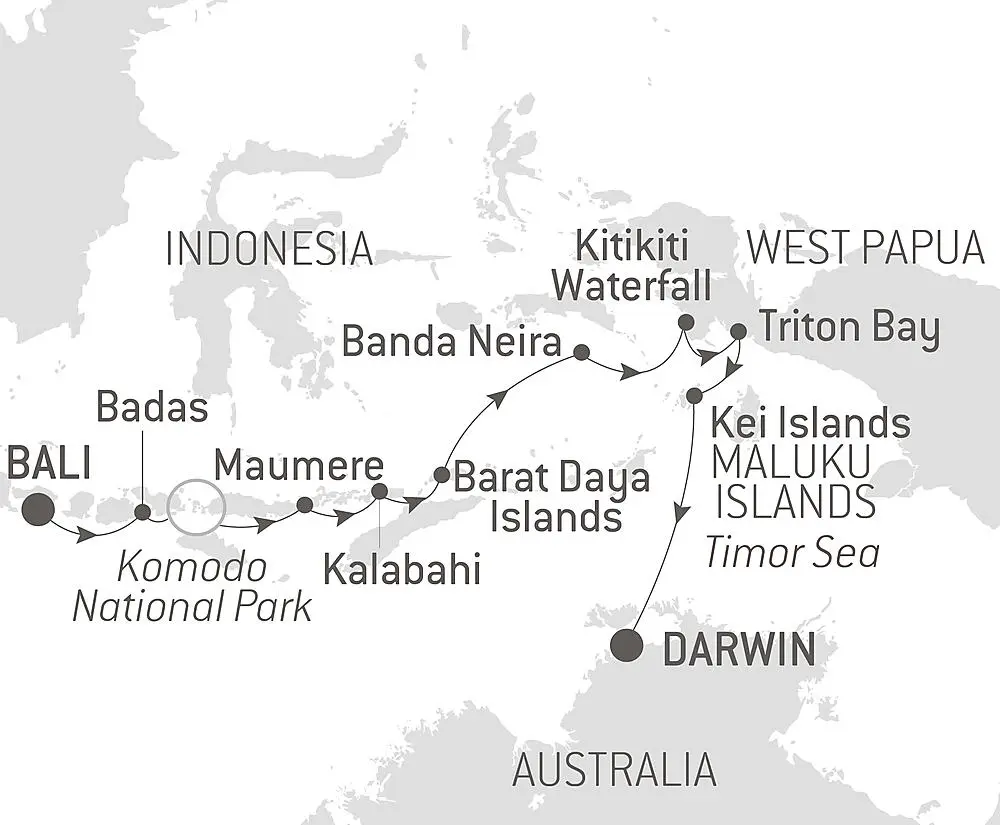
Tropical Indonesian Odyssey
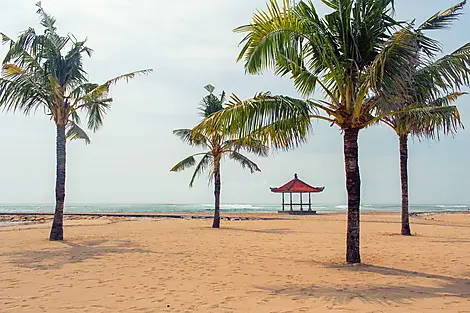
Day 1 - Benoa, Bali
If it's a taste of exotic authenticity you're after, prepare to be spell-bound by the island of Bali, tucked away in the heart of the Indonesian archipelago. The beauty and diversity of its landscapes, the depth and richness of its cultural heritage and the plethora of activities on offer here make Bali a little slice of heaven on Earth. The island's southern coast enthrals with its white sand beaches, its picturesque little fishing villages such as Benoa, and its hills patchworked with terraced rice paddies further inland. Nicknamed 'the Island of Gods' for its sumptuous temples, Bali is the beating heart of Indonesian Hinduism.
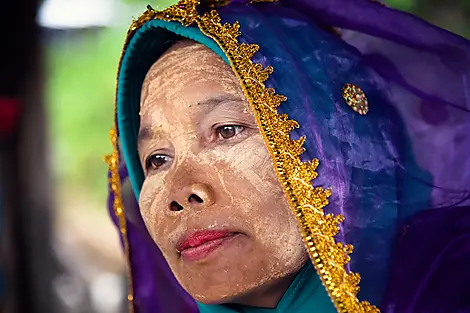
Day 2 - Badas, Sumbawa
The port of Badas is part of the greater township of Sumbawa Besar, on the island of Sumbawa. Like most of Sumbawa the people hold their culture strong as a major part of their identity. The island has a strong influence from the Makassarese of Sulawesi, who over the centuries have introduced a lot of their culture into Sumbawa. Join your expedition team and local guides for a tour by bus to Pamulung Village where you will be welcomed by the head of the village and have the opportunity to witness first-hand the local traditions of rice pounding, weaving and also witness a wedding procession. Your visit will conclude with an exciting Sumbawa buffalo race, an event that will be held in honour of our visit. Â
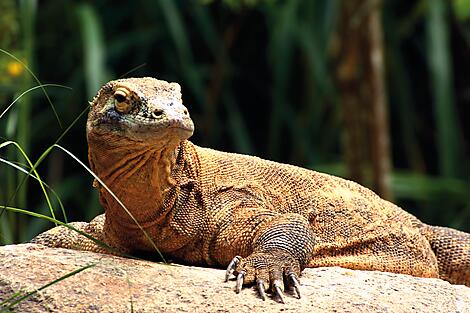
Day 3 - Komodo National Park
Between the islands of Sumbawa and Florès, Komodo National Park welcomes you to discover its natural wonders. At the very heart of the Indonesian archipelago, the three islands that form it â Komodo, Rinca and Padar - owe their renown to the famous eponymous dragons, enormous lizards over two metres long, which live in its grassy savannah. This jagged and hilly volcanic territory belonging to the Sunda Islands is a UNESCO World Heritage Site because of its incredible terrestrial and marine biodiversity. Admire its palette of colours, intermingling the sparkling whites of the beaches, the deep blues of the coral-filled water and the soft greens of its pastures.
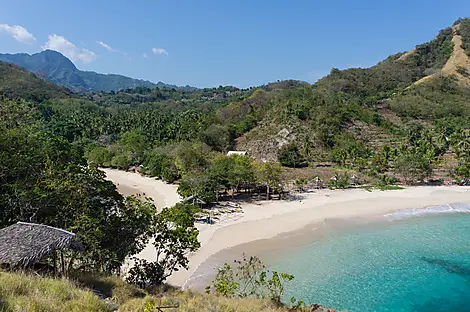
Day 4 - Maumere, Flores
Floresians have an ancient culture stretching back millennia before the first arrival of Europeans in search of trade opportunities. Their history is shared through oral traditions and is recreated in song and dance. The mountainous terrain of Flores has preserved the diversity of cultures and Maumere serves as the capital of the Sikka district and main trading port. Few tourists make it to Maumere with most stopping at Labuan Bajo and heading west to the islands of Komodo. Consequently, Maumere and has kept its charming atmosphere, an eclectic mix of a bustling trading town and a coastal paradise. Join your expedition team and local guides for a tour by local transport to the markets and tribal villages in the hinterland of Maumere.

Day 5 - Kalabahi, Alor
The unique culture of the Alorese continues among the Takpala indigenous group who have preserved their traditional architecture and ceremonies. The island of Alor is also known as the island of a Thousand Mokoâs. The Moko is a small bronze kettledrum which is believed to have originated from the Dong Son culture of Vietnam. However, it remains a mystery as to how these prehistoric Dong Son drums arrived in Alor. Local legend says that the Mokoâs were discovered buried in the ground, and indeed mokos are still being uncovered today. Join the expedition team and local guides for a tour by local transport to Takpala village, the Museum of a Thousand Mokos and the thriving main market of Kalabahi.
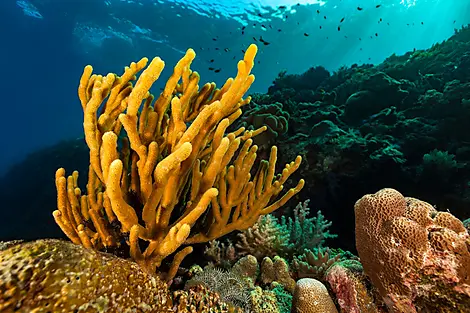
Day 6 - Barat Daya Islands
If you are looking for exoticism and authenticity, then you will be captivated by the Barat Daya Islands, an Indonesian archipelago lying to the east of the Lesser Sunda Islands, bathed by the Banda Sea and surrounded by coral reefs. With their fine sandy beaches, marine environments, preserved nature and paddy fields, these islands in the Maluku archipelago are a real concentration of the beauty South-East Asia has to offer. A lush environment in which fauna and flora flourish. Notably, there are almost 162 different bird species including four endemic ones and three endangered ones.
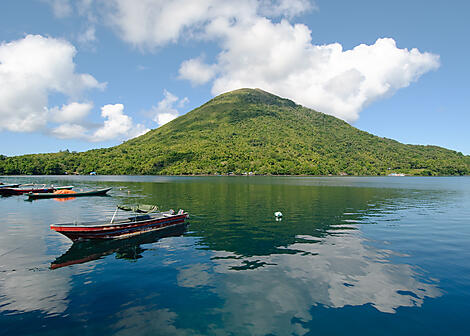
Day 7 - Banda Neira, Maluku Islands
From age-old traditional cultures and ancient vestiges, to coral reefs and lush green jungle⦠The attractions of the remote Banda archipelago seem endless. Better known as the legendary âSpice Islandsâ of the Ancient World, these small volcanic landmasses were the fabled prize of colonial powers for more than four centuries. Every colonial power of significance fought for control of these ten small islands that today have become largely forgotten. Walking the streets of Banda Neira is a surreal experience as your eyes are drawn to the eclectic mix of Portuguese, Dutch and British architecture, the remnants of a rich and tumultuous history. It is without doubt the most historically significant and interesting of all the âSpice Islandsâ.
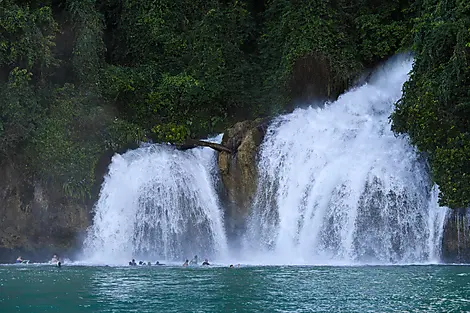
Day 8 - Kitikiti Waterfall, Mommon
North of Triton Bay, in the Indonesian province of West Papua, lie the Bomberai Peninsula and Sebakor Bay. A real paradise for divers, this protected, authentic and very wild area boasts an exceptional biodiversity. Here, you will be able to admire the superb Kitikiti Waterfall where you could enjoy a swim or snorkel surrounded by lush nature, both on land and under water.
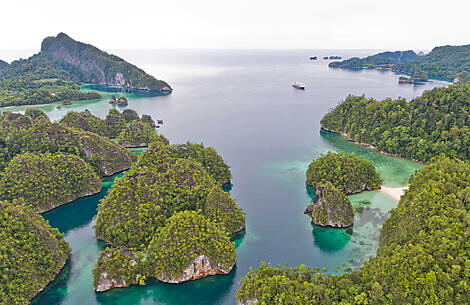
Day 9 - Triton Bay, West Papua
Triton Bay is one of three regions in Indonesiaâs West Papua province that comprise the Birdâs Head Seascape (the other two are Raja Ampat and Cenderawasih Bay), which is now considered by marine biologists to be the epicentre of the Coral Triangle. It contains more fish and coral species than anywhere else on the planet. Its unparalleled marine biodiversity and endemism, habitat richness, and relatively intact nature of its ecosystems are unique. Join your expedition team for a zodiac voyage through the spectacular rainforest capped karst islands. Later in the day enjoy the opportunity to explore the richness of the underwater realm.
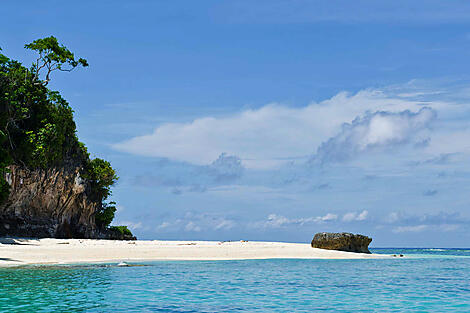
Day 10 - Kei Islands, Maluku Islands
The Kei Islands are blessed with kilometres of stunning, yet almost entirely empty, white-sand beaches and a deeply hospitable population. Beneath the mostly Christian facade, Kei culture is fascinatingly distinctive. Local history holds that ancestors of contemporary Kei islanders came from Bali, part of the expanding Hindu Majapahit kingdom from the western archipelago. Enjoy a day of swimming and snorkelling on an idyllic uninhabited picture postcard tropical island.
Day 11 - At sea
During your journey at sea, make the most of the many services and activities on board. Treat yourself to a moment of relaxation in the spa or stay in shape in the fitness centre. Depending on the season, let yourself be tempted by the swimming pool or a spot of sunbathing. This journey without a port of call will also be an opportunity to enjoy the conferences or shows proposed on board, depending on the activities offered, or to do some shopping in the boutique or to meet the PONANT photographers in their dedicated space. As for lovers of the open sea, they will be able to visit the shipâs upper deck to admire the spectacle of the waves and perhaps be lucky enough to observe marine species. A truly enchanted interlude, combining comfort, rest and entertainment.
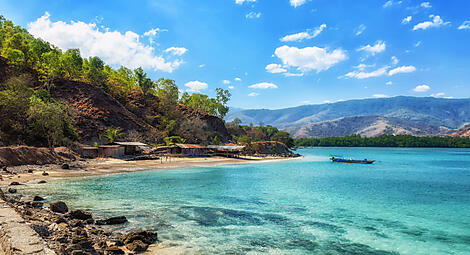
Day 12 - Dili
Located on the northern coast of the island of Timor, along the narrow plains between the central mountains and the Ombai Strait, the seaside resort of Dili is the capital of East Timor, a former Portuguese colony that has been independent since May 2002. The uniqueness of this territory, still preserved from the tourist routes, is unveiled thanks to the beauty of its intact landscapes, with dense tropical forest covering undulating hills, coral reef and immaculate sandy beaches. You will be enchanted by this small and peaceful town with a distinctive Portuguese atmosphere, and will discover the riches of its historic and cultural heritage during your visit.
Day 13 - At sea
During your journey at sea, make the most of the many services and activities on board. Treat yourself to a moment of relaxation in the spa or stay in shape in the fitness centre. Depending on the season, let yourself be tempted by the swimming pool or a spot of sunbathing. This journey without a port of call will also be an opportunity to enjoy the conferences or shows proposed on board, depending on the activities offered, or to do some shopping in the boutique or to meet the PONANT photographers in their dedicated space. As for lovers of the open sea, they will be able to visit the shipâs upper deck to admire the spectacle of the waves and perhaps be lucky enough to observe marine species. A truly enchanted interlude, combining comfort, rest and entertainment.
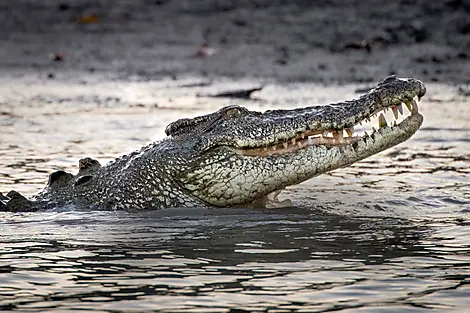
Day 14 - Darwin
Darwin is located in Australiaâs Northern Territory which is also known as the âTop Endâ. It is the capital city and the most populated town of the Northern Territory. Darwin is a beautiful tropical city, a melting pot of people and cultures, over 50Â different cultures live and work side by side that prides itself in its unique and friendly laid-back lifestyle. Come discover the townâs still recent history through its emblematic buildings such as the new Parliamant House opened in 1994, a magnificent example of tropical architecture or Admiralty House declared heritage place, a tropical-style home elevated on stilts that has survived two cyclones and numerous air raids.
Authentic Japan [Tokyo to Busan]
![Authentic Japan [Tokyo to Busan]](/images/packages/full(7).jpg "Authentic Japan [Tokyo to Busan]")
Cruise Line: Ponant Cruise
Ship: Le-Jacques-Cartier
Travel Period: Mar 11 2028
Port: Tokyo (Japan) to Busan (South Korea)
Duration: 13 Days
![Authentic Japan [Tokyo to Busan]](/images/packages/extraimages/7662_Tokyo(Japan)toBusan.webp "Authentic Japan [Tokyo to Busan]")
Authentic Japan [Tokyo to Busan]
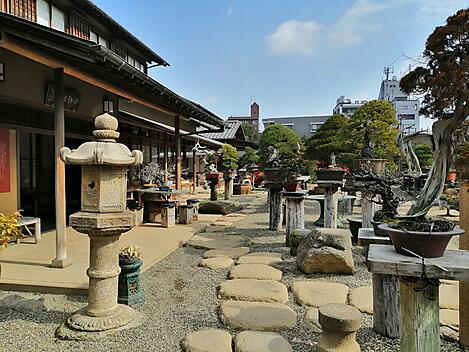
Day 1 - Tokyo
Whether youâve been there or not, Tokyo is a dream place and always will be. Seated on the east coast of Honshu island, it is one of the largest cities in the world - with more than 13 million inhabitants intramural â, and one of the most active. With its 23 districts, the Japanese capital breathes life into a unique and motley universe: from the high-tech Akihabara district to the quiet, historical streets of Asakusa, through the night-time effervescence of Shinjuku and the trendy boutiques of Harajuku, Tokyo and its inhabitants will surprise you for sure. Everything seems somehow planned to make you want to stay. And itâs not Tokyoâs tradition of fine food that will make you change your mind.
Day 2 - Shimizu
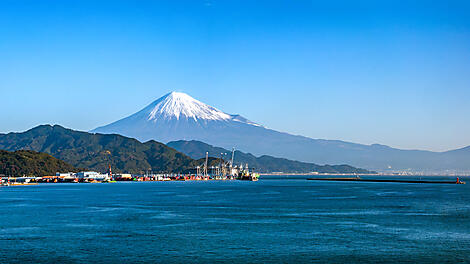
The former city of Shimizu is located on Japanâs Pacific coast, to the south-west of Tokyo. In 2003, it was incorporated into the neighbouring city of Shizuoka, hence the âformerâ status. From its port, considered one of the three most beautiful in Japan, the panorama over Suruga Bay is unique. You will be able to visit Kunozan Toshogu, a Shinto shrine located south-east of Shizuoka. Miho no Matsubara Beach, lined with a magnificent pine grove, offers breathtaking views of the UNESCO-listed Mount Fuji on clear days.
Day 3 - Toba
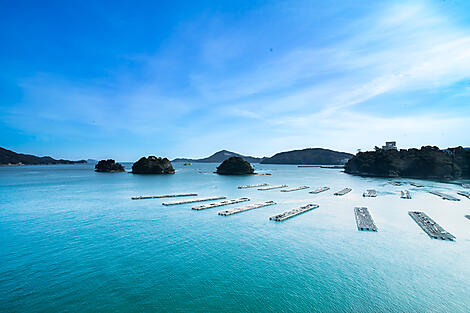
Toba is a coastal city located in Japanâs Mie Prefecture, on the shores of the Pacific Ocean. Situated in the Ise-Shima National Park, Toba has given its name to majestic bay sheltering a string of small islands, famous for the beauty of their forests and the production of cultured pearls. You will have the possibility of discovering the Ise Shrine, residence of the Imperial family and venerated by the Japanese people as the âsoul of Japanâ.
Day 4 - Katsuura
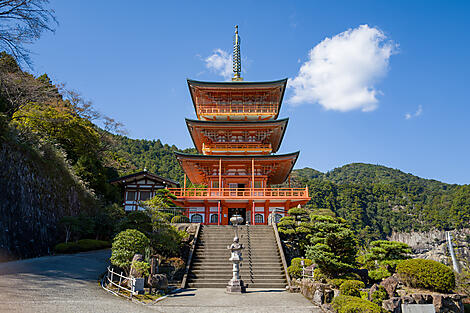
Located in a peaceful cove overlooking the Pacific Ocean, Katsuura is a true coastal paradise home to the largest number of natural open-air hot springs in the entire Wakayama Prefecture. Numerous rocky islets are scattered across the calm waters of this secluded bay, providing delicious local seafood for you to enjoy as you savour the fresh air of this timeless place. Katsuura is part of Japanâs largest peninsula, the Kii Peninsula, and home to Kumano Nachi Taisha Shrine, one of the Kumano Sanzan, a religious complex dedicated to the three sacred mountains of Kumano.
Day 5 - Osaka
Like its big sister Tokyo, Osaka is the product of ancestral traditions and amazing technological innovations. And despite its size, its location on the Pacific Ocean give it a sense of serenity. The main historic landmark is the 16th century Osaka Castle, which stands proud in the midst of majestic skyscrapers. The lively streets of Dotomburi and the bizarre Shinsekai district attract thousands of locals and visitors. A multitude of restaurants offer menus full of regional specialities: takoyaki, made with octopus, and other succulent dishes such as kushikatsu kebabs.
Day 6 - Tomonoura
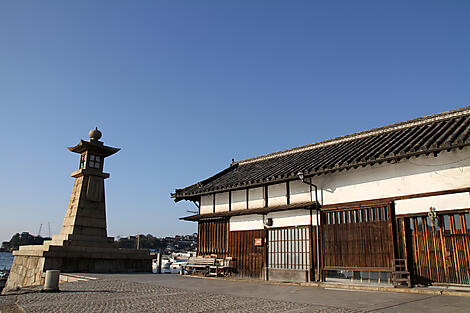
Anchored to the south-eastern end of the Nunakama Peninsula, facing the calm and clear waters of the Seto Inland Sea, Tomonoura is a destination particularly appreciated for its authentic and old-fashioned atmosphere that gives it an incomparable charm. In the past used as a port where boats would moor while waiting for a favourable wind, the charming and picturesque village now serves to inspire many filmmakers and artists. With good reason, since its craggy landscapes, its cherry trees in blossom, its gentle way of life, its traditional wooden houses and its port, preserved since the Edo era, notably enabled the artist Hayao Miyazaki to make the animated film Ponyo.
1 available excursion
The Hells, Beppuâs hot springs
Day 7 - Miyajima Island
At the heart of the Inland Sea, Miyajima, the âisland sanctuaryâ will reveal its treasures. In the background you will see the Shinto Grand Sanctuary, whose entrance is guarded by a magnificent vermillion âToriiâ. Considered to be one of the most beautiful sites in the Japanese islands, you will be transported by the unique character and the serenity of this sacred site.
1 available excursion
Itsukushima Shrine and Omotesando Street
Day 7-8 - Hiroshima
Visiting Hiroshima is a moving experience. The town spreads along Honshu Island, along the inside coasts of Seto. While firmly focused on the future, Hiroshima doesn't forget its past, and a visit to the Peace Memorial Park and Genbaku Dome is a must. You'll enjoy the city's modern, cosmopolitan atmosphere and effervescent nightlife just as much as the peaceful stillness of its natural parkland areas such as splendid Shukkei-en, the town's historic garden.
1 available excursion
Hiroshima Museum and Peace Memorial Park
Day 8 - Miyazaki
The cradle of Japanese mythology, Miyazaki is a hidden treasure on the southern coast of KyÅ«shÅ«. Known for its climate, its golden beaches and its spectacular rocky formations, it is an invitation to exploration and contemplation. In the heart of the city, the Miyazaki-jingÅ« Shinto shrine stands majestically, surrounded by ancient forests and peaceful gardens, in which an atmosphere of serenity reigns. Make the most of the authenticity of this city with fascinating local culture and, during the visit of the Miyazaki Shrine, fall under the spell of the kagura, a dance and song performance by the shrineâs priests and helpers.
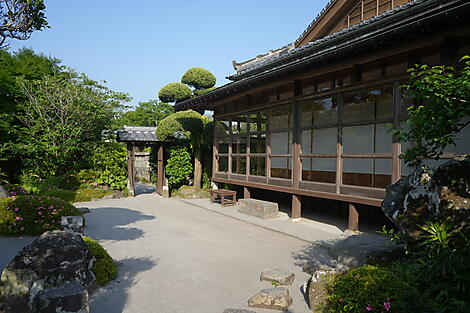
Day 9 - Ibusuki, Kagoshima
Located in the heart of Kagoshima Prefecture, Ibusuki is a coastal town renowned for its many hot springs and hot sand baths on the seashore. A true seaside resort, the town stretches across the southern tip of the Satsuma Peninsula, with its main centre extending along the coast and overlooking Kagoshima Bay. It offers spectacular views of Mount Kaimon, also called Satsuma Fuji due to its resemblance to Mount Fuji. You will discover Chiran, a historic village in Kagoshima where you will find a preserved samurai district with houses and gardens dating back around 250 years. The town is also home to the Chiran Peace Museum. Located on the site of the former Chiran Army Air Base, it serves as a memorial to the young men who sacrificed their lives as kamikaze pilots during the Second World War.
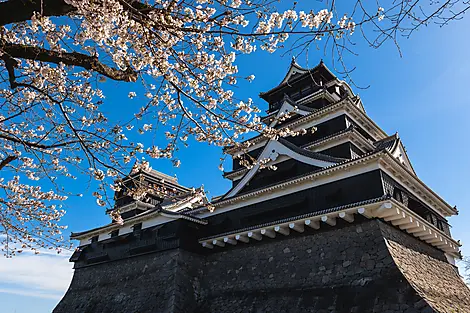
Day 10 - Kumamoto
In the heart of Kyūshū, Kumamoto embodies the understated elegance of traditional Japan. Its majestic castle dominates a city steeped in history, surrounded by serene gardens and spectacular volcanic landscapes. Just outside the city, Mount Aso offers unforgettable experiences: hikes along smoking volcanic ridges, panoramic vistas, and hot-spring villages nestling in lush greenery. Kumamoto reveals another side of Japan, both intimate and grandiose, where culture, nature and lifestyle converge
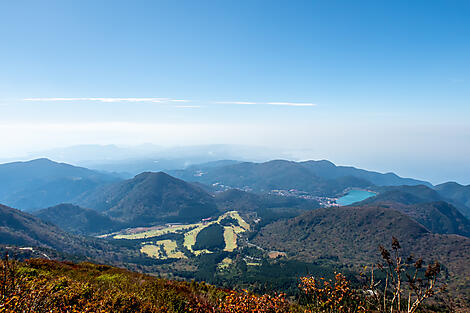
Day 11 - Unzen, Unzen-Amakusa National Park
Located in the north of the Shimabara Peninsula, the town of Unzen lies at the heart of Unzen-Amakusa National Park, Japanâs first national park, founded in 1934. Created to preserve the regionâs culture and nature, this natural haven covering more than 280 km² (108 sq. miles) combines a spectacular volcanic environment with the landscapes of the Amakusa Islands. During this enchanting interlude, you will be able to discover the parkâs legendary high-temperature hot springs, volcanic gas vents, and highly diverse wildlife. With impressive natural phenomena and open views over the sea, this stop offers an elegant immersion in one of the most emblematic environments of southern Japan.
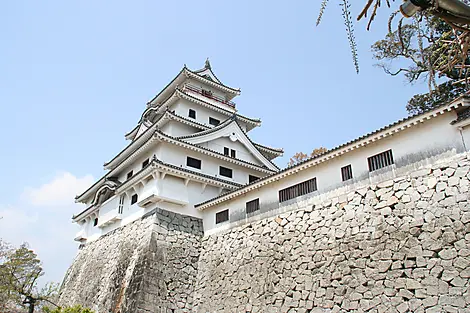
Day 12 - Sakitsu, Unzen-Amakusa National Park
Facing the mythical island of Kyushu, between the Yatsushiro and Ariake seas, the island region of Amakusa both surprises and captivates. Composed of some one hundred verdant islets surrounded by stunning seabeds, the Japanese archipelago was once a refuge for many Christians fleeing the ban on Catholicism in the 17th century during the Edo period. Nestled on the shore of a cove opening onto the calm waters of Yokaku Bay, Sakitsu is a charming fishing port. Immerse yourself in its Christian heritage, notably through a visit to its emblematic church blending Western and Japanese cultures. Rebuilt in 1934, it is now a UNESCO World Heritage Site
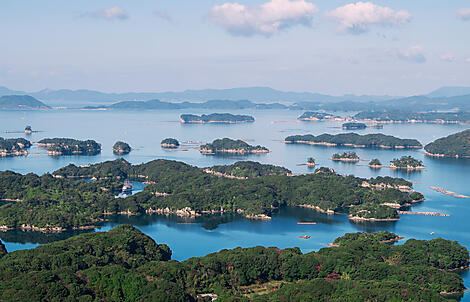
Day 13 - Nagasaki
Located on the north-west coast of Kyushu, Nagasaki will impress you by its rich heritage. Despite the destruction in 1945, you can visit several ancient sites, including the beautiful 19th-century Catholic Church of Oura and its garden, the sanctuary of Suwa Shrine or several Buddhist temples. A visit to the Atomic Bomb Museum gives you insight into the extent of the damage caused by the nuclear attack. Close by, a walk in the Memorial Peace Park leads you to a collection of objets d'art offered as a gift from Japan to the world.
Day 13 - Busan
With around four million inhabitants, Busan is the second largest metropolis on South Korea, after Seoul. This dynamic harbour city, located in the south-east, surrounded by the warm waters of the Sea of Japan, benefits from a mild, pleasant climate. Youâll find delightful simply to stroll around the lively streets and explore the cityâs outstanding cultural heritage of art galleries, museums, and Buddhist sites, such as the Haedong Yonggungsa temple, which elegantly sits on the waterfront. Rich too in magnificent beaches and superlative natural landscapes, Busanâs peaceful atmosphere will win you over, as will its inhabitants, whom youâll have the pleasure of meeting.
Authentic Japan
Cruise Line: Ponant Cruise
Ship: Le Soleal
Travel Period: Mar 26 2027
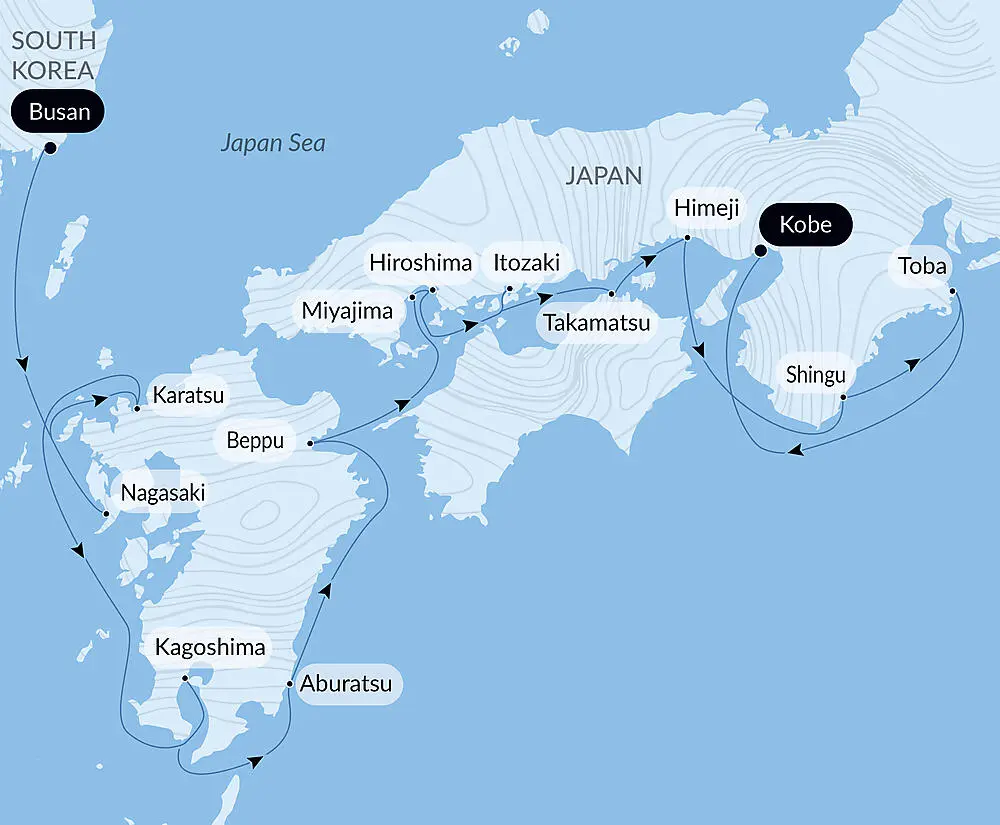
Port: Busan (South Korea) to Kobe (Japan)
Duration: 13 Days
Authentic Japan
Day 1 - Busan
With around four million inhabitants, Busan is the second largest metropolis on South Korea, after Seoul. This dynamic harbour city, located in the south-east, surrounded by the warm waters of the Sea of Japan, benefits from a mild, pleasant climate. Youâll find delightful simply to stroll around the lively streets and explore the cityâs outstanding cultural heritage of art galleries, museums, and Buddhist sites, such as the Haedong Yonggungsa temple, which elegantly sits on the waterfront. Rich too in magnificent beaches and superlative natural landscapes, Busanâs peaceful atmosphere will win you over, as will its inhabitants, whom youâll have the pleasure of meeting.
Day 2 - Nagasaki
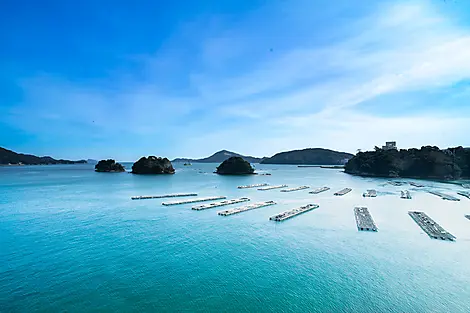
Located on the north-west coast of Kyushu, Nagasaki will impress you by its rich heritage. Despite the destruction in 1945, you can visit several ancient sites, including the beautiful 19th-century Catholic Church of Oura and its garden, the sanctuary of Suwa Shrine or several Buddhist temples. A visit to the Atomic Bomb Museum gives you insight into the extent of the damage caused by the nuclear attack. Close by, a walk in the Memorial Peace Park leads you to a collection of objets d'art offered as a gift from Japan to the world.
1 available excursion
Ground Zero and atomic bomb museum
Day 3 - Karatsu
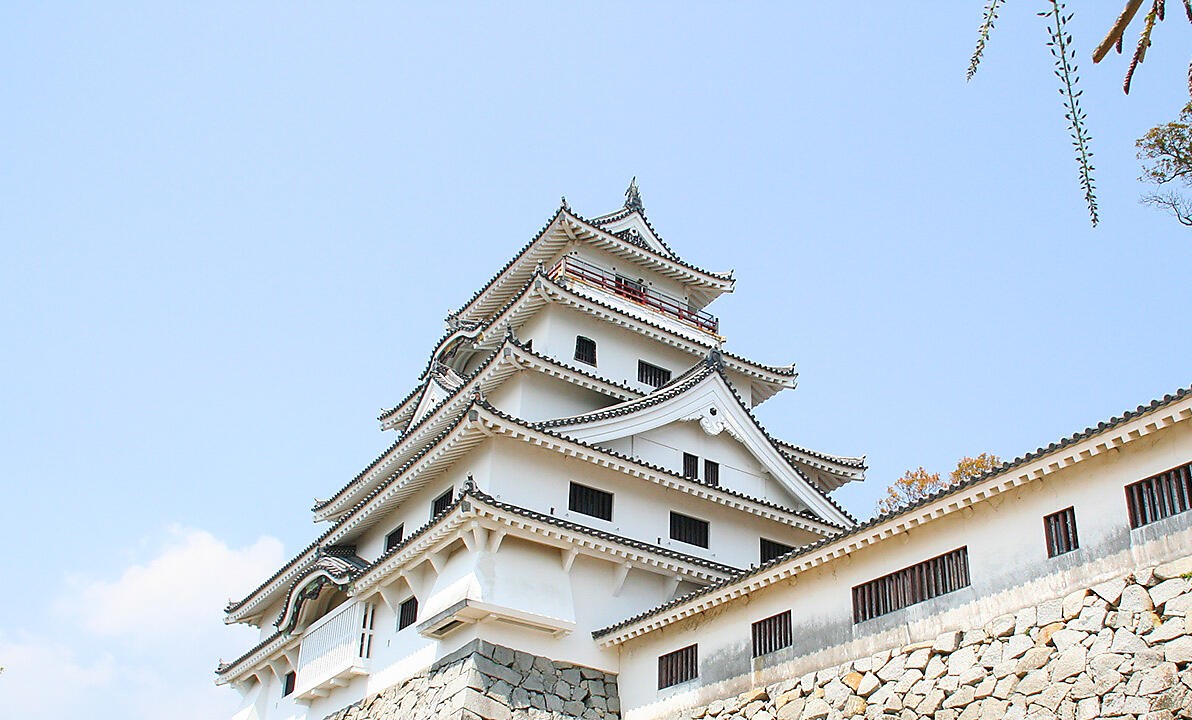
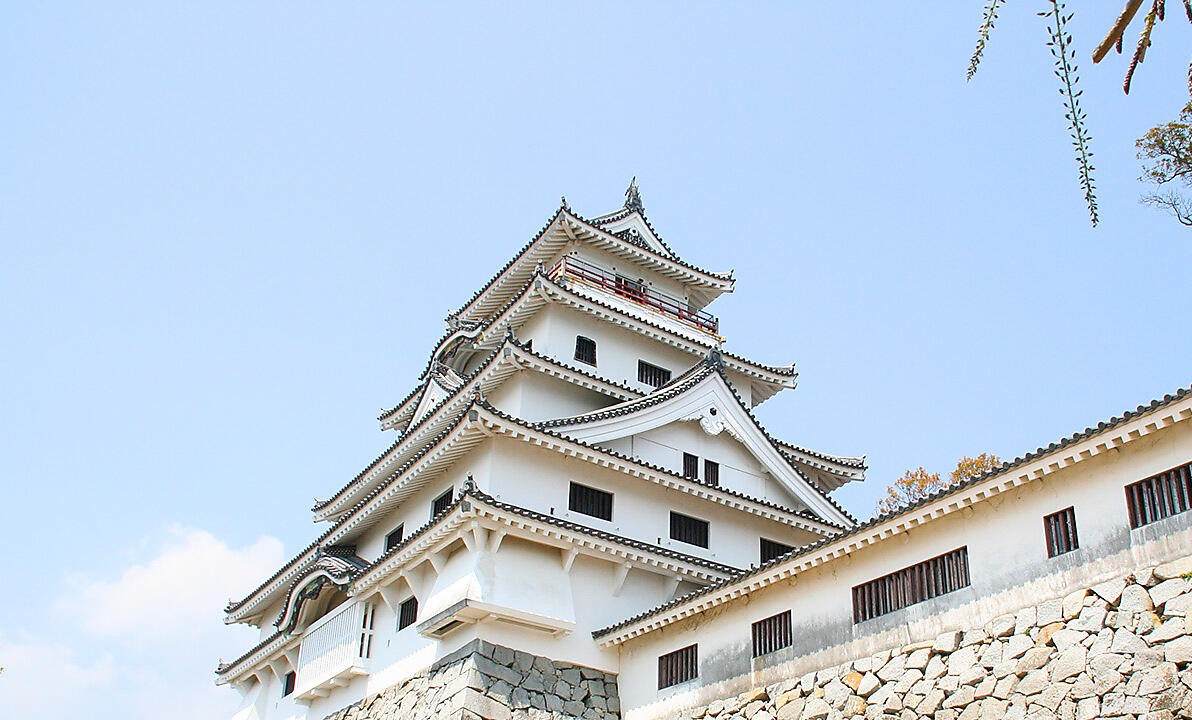
Karatsu Bay is edged with long sandy beaches and a huge pine forest that was planted over 350 years ago to protect the coast from the winds and tides of the Genkai Sea. From the top of the donjon of Karatsu Castle or Mount Kagami, you will be able to admire magnificent panoramas. In the north of the Higashi-Matsuura Peninsula, the waves have eroded the lava plateau and carved a magnificent natural site, the seven Nanatsugama Caves, out of the basalt. The city of Karatsu is famous for the quality of its pottery, which is influenced by the craftsmanship of nearby Korea. Very fine pieces are displayed in the cityâs galleries and at Karatsu Castle, alongside magnificent samurai armour.
1 available excursion
Highlights of Karatsu
Day 4 - Kagoshima
The seaside city of Kagoshima, at the south of Kyushu Island, ï¾ is best known for Sakurajima, an active volcano that faces Kinko Bay. A visit to this busy metropolis will remind you just how much the volcano is part of the inhabitants' everyday life: in the wake of the almost daily eruptions, a delicate layer of ash settles on everything. The top of a buried torii (traditional Japanese gate) measuring three metres that was 'swallowed up' by a giant lava flow in 1914 can still be seen. The power of nature will send a shiver down your spine.
1 available excursion
A trip to Chiran
Day 5 - Aburatsu
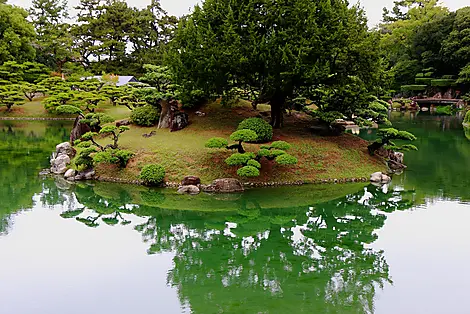
Located on the south-east coast of Kyushu island in scenic Miyazaki Prefecture, Aburatsu is a natural port, linked to the town of Nichinan. Because of its position Aburatsu has become a major maritime passage into the numerous regions of Asia. It has a serene atmosphere, typical to southern Japan, with a gentle landscape of rolling hills. On the outskirts of Nichinan, you can visit Obi Castle, dating from the Edo period. Slightly to the north of the old town, the Udo-Jingu shrine also features among the regionï¾s wonders.
1 available excursion
Udo-jingu Shrine and Obi Castle
Day 6 - Beppu, Oita
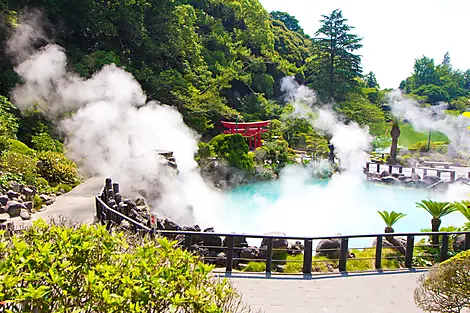
A favourite destination for the Japanese, Beppu is now famous throughout the Japanese archipelago thanks to its onsen â volcanic hot springs in which people immerse themselves to relax with family or friends. From Beppu, you will set off to discover a lush, peaceful valley in which sit 60 majestic stone Buddhas carved out of the cliff face between the 12th and 14th centuries. Exuding a soothing air of serenity, the Mangetsuji site seems to have drifted off to sleep in the heart of a dense bamboo forest surrounded by rice fields. Recognised as a National Treasure of Japan, this set of sacred sculptures offers travellers a unique, wonderful experience.
1 available excursion
The Hells, Beppuâs hot springs
Day 7 - Miyajima Island
At the heart of the Inland Sea, Miyajima, the âisland sanctuaryâ will reveal its treasures. In the background you will see the Shinto Grand Sanctuary, whose entrance is guarded by a magnificent vermillion âToriiâ. Considered to be one of the most beautiful sites in the Japanese islands, you will be transported by the unique character and the serenity of this sacred site.
1 available excursion
Itsukushima Shrine and Omotesando Street
Day 7-8 - Hiroshima
Visiting Hiroshima is a moving experience. The town spreads along Honshu Island, along the inside coasts of Seto. While firmly focused on the future, Hiroshima doesn't forget its past, and a visit to the Peace Memorial Park and Genbaku Dome is a must. You'll enjoy the city's modern, cosmopolitan atmosphere and effervescent nightlife just as much as the peaceful stillness of its natural parkland areas such as splendid Shukkei-en, the town's historic garden.
1 available excursion
Hiroshima Museum and Peace Memorial Park
Day 8 - Itozaki
Jewels of the heart of Hiroshima Prefecture, Itozaki invites travelers to a timeless escape. Bordered by the Seto Inland Sea, it captivates with its landscapes blending the gentle shimmer of its waters and the silent majesty of its mountains. Itozaki is a journey into the soul of Japan, a haven where time stands still. The Japanese city will serve as the starting point for discovering, just a short distance away, the historic Onomichi, renowned for its nearly twenty temples and shrines.
1 available excursion
A walk around Onomichi
Day 9 - Takamatsu
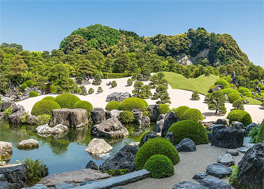
A former fortified city, ruled over by the Matsudaira clan from the Tamamo castle with its seawater moats, the city is home to one of the most beautiful classic gardens in Japan, the Ritsurin. It was created by the barons of the city at the start of the Edo period, during which time gardening became a profession in its own right. Its landscape incorporates Mount Shiun in the background, an example of what is known as the shakkei technique, which uses the surrounding landscapes to increase the beauty of the gardens.
1 available excursion
Shikoku Mura Museum and Yashima Temple
Day 10 - Himeji
You may get the impression that youï¾ve already seen Himeji Castle, as it has been featured many times on the big screen. The feudal edifice seems to spread its wings over the town like a white heron ï¾ï¾ in fact, its nickname is ï¾the castle of the white heronï¾. Originally started in the 15th century and then rebuilt in the 17th-century, it is a UNESCO World Heritage site. At its feet lies the gorgeous Koko-en garden, which has nine different gardens designed to flourish in each of the four seasons.
1 available excursion
Himeji Castle and Koko-en Garden
Day 11 - Shingu
To the south-west of the Japanese archipelago, Shingu is a port town in the Kansai region. Founded in 1933, it belongs to the peninsula of Kii, the countryï¾s largest. Take a trip around the Kumano Sanzan religious complex dedicated to three sacred mountains and home to two Shinto temples, Kumano Hong? Taisha and Kumano Hayatama Taisha.ï¾ The latter features the famous sacred nagi tree, said to have been planted around 1159. Pilgrims flock to these two sanctuaries that feature on UNESCO's World Heritage list. Hop on a boat and journey to the Dorokyo Gorge, a natural beauty spot carved out by the emerald waters of the Kumano river.
1 available excursion
Gomagyo Experience and Seiganto-ji temple
Day 12 - Toba
Toba is a coastal city located in Japanâs Mie Prefecture, on the shores of the Pacific Ocean. Situated in the Ise-Shima National Park, Toba has given its name to majestic bay sheltering a string of small islands, famous for the beauty of their forests and the production of cultured pearls. You will have the possibility of discovering the Ise Shrine, residence of the Imperial family and venerated by the Japanese people as the âsoul of Japanâ.
1 available excursion
Spirituality to the Grand Shrine of Ise
Day 13 - Kobe
A coastal city on the main island of HonshÅ«, Kobe is a vital Japanese port. You will be inspired by the authenticity, way of life and heritage of the capital of HyÅgo Prefecture, which is bordered by the sea. Its beef is internationally renowned, but there is much more to the cityâs attractions than this delicate speciality. As soon as you arrive, you will be welcomed by the Kobe Port Tower, located, along with the Maritime Museum, in the much appreciated Meriken Park. The Mount RokkÅ National Park is a real island of greenery in the very heart of the vibrant city. Long frequented by Shinto monks, then popular with the expatriates who flocked to Kobe during the second half of the 19th century, it is one of the symbols of the city.
Authentic Japan
Cruise Line: Ponant Cruise
Ship: Le Soleal
Travel Period: Mar 14 2027
Port: Osaka - Busan
Duration: 13 Days
Authentic Japan
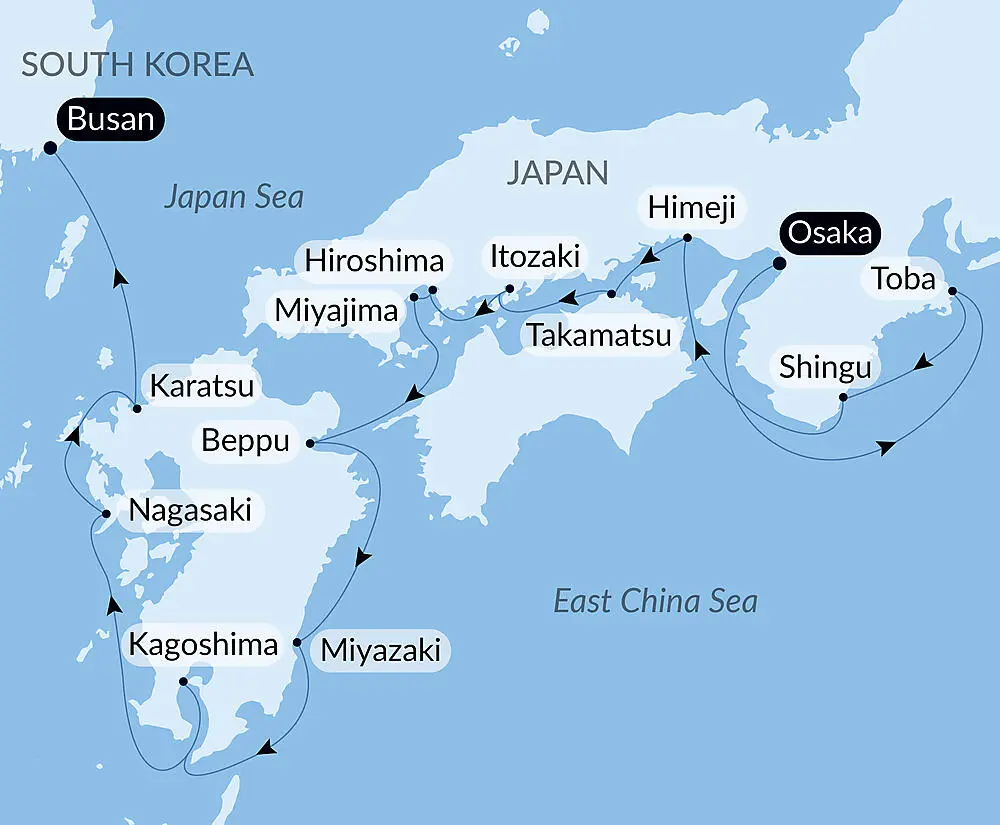
Day 1 - Osaka
Like its big sister Tokyo, Osaka is the product of ancestral traditions and amazing technological innovations. And despite its size, its location on the Pacific Ocean give it a sense of serenity. The main historic landmark is the 16th century Osaka Castle, which stands proud in the midst of majestic skyscrapers. The lively streets of Dotomburi and the bizarre Shinsekai district attract thousands of locals and visitors. A multitude of restaurants offer menus full of regional specialities: takoyaki, made with octopus, and other succulent dishes such as kushikatsu kebabs.
Day 2 - Toba
Toba is a coastal city located in Japanâs Mie Prefecture, on the shores of the Pacific Ocean. Situated in the Ise-Shima National Park, Toba has given its name to majestic bay sheltering a string of small islands, famous for the beauty of their forests and the production of cultured pearls. You will have the possibility of discovering the Ise Shrine, residence of the Imperial family and venerated by the Japanese people as the âsoul of Japanâ.
Day 3 - Shingu
To the south-west of the Japanese archipelago, Shingu is a port town in the Kansai region. Founded in 1933, it belongs to the peninsula of Kii, the countryï¾s largest. Take a trip around the Kumano Sanzan religious complex dedicated to three sacred mountains and home to two Shinto temples, Kumano Hong? Taisha and Kumano Hayatama Taisha.ï¾ The latter features the famous sacred nagi tree, said to have been planted around 1159. Pilgrims flock to these two sanctuaries that feature on UNESCO's World Heritage list. Hop on a boat and journey to the Dorokyo Gorge, a natural beauty spot carved out by the emerald waters of the Kumano river.
Day 4 - Himeji
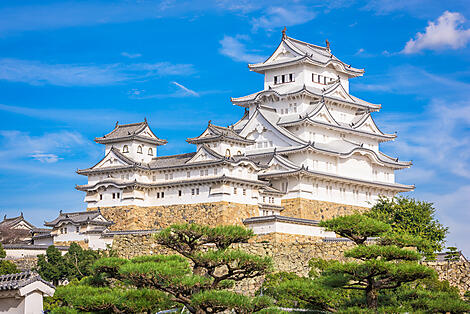
You may get the impression that youï¾ve already seen Himeji Castle, as it has been featured many times on the big screen. The feudal edifice seems to spread its wings over the town like a white heron ï¾ï¾ in fact, its nickname is ï¾the castle of the white heronï¾. Originally started in the 15th century and then rebuilt in the 17 th-century, it is a UNESCO World Heritage site. At its feet lies the gorgeous Koko-en garden, which has nine different gardens designed to flourish in each of the four seasons.
Day 5 - Takamatsu
A former fortified city, ruled over by the Matsudaira clan from the Tamamo castle with its seawater moats, the city is home to one of the most beautiful classic gardens in Japan, the Ritsurin. It was created by the barons of the city at the start of the Edo period, during which time gardening became a profession in its own right. Its landscape incorporates Mount Shiun in the background, an example of what is known as the shakkei technique, which uses the surrounding landscapes to increase the beauty of the gardens.
Day 6 - Itozaki
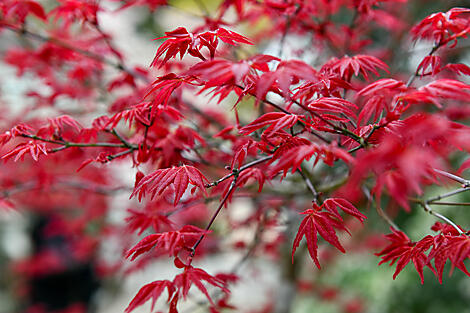
Jewels of the heart of Hiroshima Prefecture, Itozaki invites travelers to a timeless escape. Bordered by the Seto Inland Sea, it captivates with its landscapes blending the gentle shimmer of its waters and the silent majesty of its mountains. Itozaki is a journey into the soul of Japan, a haven where time stands still. The Japanese city will serve as the starting point for discovering, just a short distance away, the historic Onomichi, renowned for its nearly twenty temples and shrines.
Day 7 - Miyajima Island
At the heart of the Inland Sea, Miyajima, the âisland sanctuaryâ will reveal its treasures. In the background you will see the Shinto Grand Sanctuary, whose entrance is guarded by a magnificent vermillion âToriiâ. Considered to be one of the most beautiful sites in the Japanese islands, you will be transported by the unique character and the serenity of this sacred site.
Day 7 - Hiroshima
Visiting Hiroshima is a moving experience. The town spreads along Honshu Island, along the inside coasts of Seto. While firmly focused on the future, Hiroshima doesn't forget its past, and a visit to the Peace Memorial Park and Genbaku Dome is a must. You'll enjoy the city's modern, cosmopolitan atmosphere and effervescent nightlife just as much as the peaceful stillness of its natural parkland areas such as splendid Shukkei-en, the town's historic garden.
Day 8 - Beppu, Oita
A favourite destination for the Japanese, Beppu is now famous throughout the Japanese archipelago thanks to its onsen â volcanic hot springs in which people immerse themselves to relax with family or friends. From Beppu, you will set off to discover a lush, peaceful valley in which sit 60 majestic stone Buddhas carved out of the cliff face between the 12th and 14th centuries. Exuding a soothing air of serenity, the Mangetsuji site seems to have drifted off to sleep in the heart of a dense bamboo forest surrounded by rice fields. Recognised as a National Treasure of Japan, this set of sacred sculptures offers travellers a unique, wonderful experience.
Day 9 - Miyazaki
The cradle of Japanese mythology, Miyazaki is a hidden treasure on the southern coast of KyÅ«shÅ«. Known for its climate, its golden beaches and its spectacular rocky formations, it is an invitation to exploration and contemplation. In the heart of the city, the Miyazaki-jingÅ« Shinto shrine stands majestically, surrounded by ancient forests and peaceful gardens, in which an atmosphere of serenity reigns. Make the most of the authenticity of this city with fascinating local culture and, during the visit of the Miyazaki Shrine, fall under the spell of the kagura, a dance and song performance by the shrineâs priests and helpers.
Day 10 - Kagoshima
The seaside city of Kagoshima, at the south of Kyushu Island, ï¾ is best known for Sakurajima, an active volcano that faces Kinko Bay. A visit to this busy metropolis will remind you just how much the volcano is part of the inhabitants' everyday life: in the wake of the almost daily eruptions, a delicate layer of ash settles on everything. The top of a buried torii (traditional Japanese gate) measuring three metres that was 'swallowed up' by a giant lava flow in 1914 can still be seen. The power of nature will send a shiver down your spine.
Day 11 - Nagasaki
Located on the north-west coast of Kyushu, Nagasaki will impress you by its rich heritage. Despite the destruction in 1945, you can visit several ancient sites, including the beautiful 19 th-century Catholic Church of Oura and its garden, the sanctuary of Suwa Shrine or several Buddhist temples. A visit to the Atomic Bomb Museum gives you insight into the extent of the damage caused by the nuclear attack. Close by, a walk in the Memorial Peace Park leads you to a collection of objets d'art offered as a gift from Japan to the world.
Day 12 - Karatsu
Karatsu Bay is edged with long sandy beaches and a huge pine forest that was planted over 350 years ago to protect the coast from the winds and tides of the Genkai Sea. From the top of the donjon of Karatsu Castle or Mount Kagami, you will be able to admire magnificent panoramas. In the north of the Higashi-Matsuura Peninsula, the waves have eroded the lava plateau and carved a magnificent natural site, the seven Nanatsugama Caves, out of the basalt. The city of Karatsu is famous for the quality of its pottery, which is influenced by the craftsmanship of nearby Korea. Very fine pieces are displayed in the cityâs galleries and at Karatsu Castle, alongside magnificent samurai armour
Day 13 - Busan
ith around four million inhabitants, Busan is the second largest metropolis on South Korea, after Seoul. This dynamic harbour city, located in the south-east, surrounded by the warm waters of the Sea of Japan, benefits from a mild, pleasant climate. Youâll find delightful simply to stroll around the lively streets and explore the cityâs outstanding cultural heritage of art galleries, museums, and Buddhist sites, such as the Haedong Yonggungsa temple, which elegantly sits on the waterfront. Rich too in magnificent beaches and superlative natural landscapes, Busanâs peaceful atmosphere will win you over, as will its inhabitants, whom youâll have the pleasure of meeting.
*Prices are per person in a shared DBL/TWN cabin. Prices do not include Government Fees & Taxes. Pricing and availability subject to change without notice. STIC Travel Group reserves the right to refuse or honor any prices / sailings that are erroneously printed or quoted. Terms & Conditions apply.

We Accept: 
Secured By: 
Copyright © STIC GSA Services Pvt. Ltd. All rights reserved